Traveling to Europe? Don’t fall for this visa scam


Since Europe launched its automated border control system, you may have heard about another new addition for travelers: The European Travel Information and Authorisation System, or ETIAS, which will require many tourists to obtain a waiver before entering most continental European countries. You may even have seen websites offering these waivers.
Don't take the bait. Since Europe is still grappling with the disastrous rollout of EES, the ETIAS has been postponed until at least 2027. These waivers are not required or available yet, but scammers don't want you to know that.
Read on to learn more about ETIAS, what you actually need to enter Europe right now and how to stay safe online.
What is ETIAS?
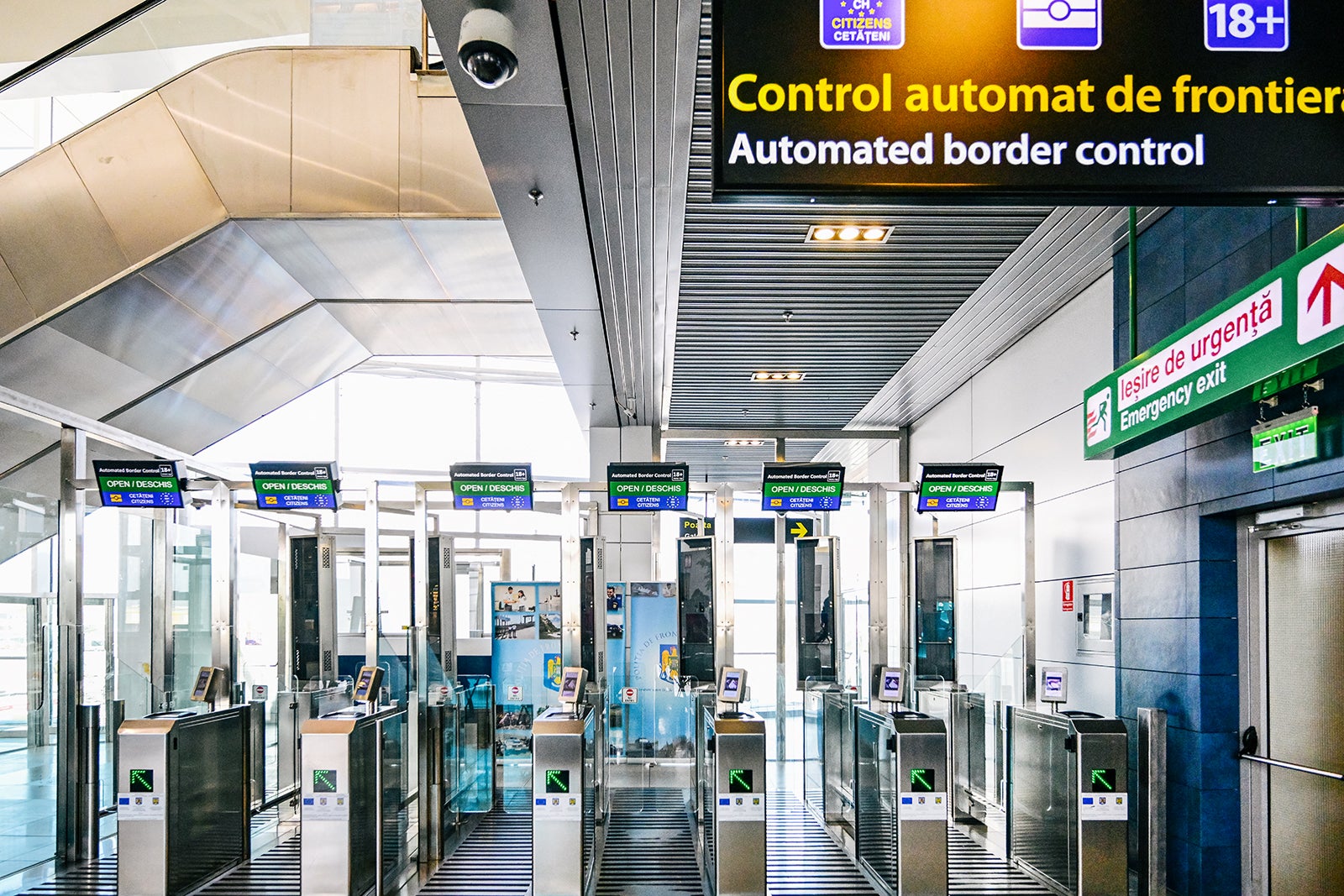
ETIAS is a forthcoming system that will be used to allow visitors to enter 30 countries in Europe's Schengen Zone. These include popular tourist destinations like France, Germany, Greece, Switzerland and Spain; see the full list here.
When the system goes live, travelers from dozens of visa-exempt countries, including the U.S., will need to apply for an ETIAS travel authorization. It's technically not a visa, but an electronic waiver will allow you to stay in the 30 applicable countries for up to 90 days within any 180-day period. It will be valid for three years or until the travel document you used in your application expires, whichever comes first.
The planned cost of an ETIAS waiver is 20 euros (around $22) per adult; travelers under 18 and over 70 can apply for free.
How is ETIAS different from the U.K. ETA?

ETIAS is easily confused with the United Kingdom's electronic travel authorisation (ETA), but there is a big difference.
When introduced, ETIAS will apply to 30 Schengen Zone countries across continental Europe (and Iceland). It does not apply to the U.K. or Ireland.
An ETA, on the other hand, is an existing document that most tourists need to enter the U.K., Jersey, Guernsey or the Isle of Man. It costs 20 pounds ($26) and allows access to these areas for up to six months.

While ETIAS is not yet available, you can (and should) apply for an ETA if you are visiting the U.K.
How can I get an ETIAS travel authorization?

The short answer? You can't — yet.
ETIAS was slated to roll out soon after Europe introduced its biometric border control Entry/Exit System. However, EES has been plagued by software bugs and long delays since its launch earlier this year, and as a result, ETIAS has been put on hold until sometime in 2027.
Per an official EU site, "ETIAS is currently not in operation and no applications for travel authorisations are collected at this point."
That means travelers to Europe don't need to do anything at the moment. Keep an eye on the site, and when ETIAS is rolled out, you will need to apply before visiting one of the applicable countries. But until then, nothing is changing about the entry process.
Unfortunately, scammers are trying to take advantage of the ETIAS delay by setting up fake websites that prey on travelers. So, the main thing you need to know right now is how to avoid scams.
Beware of scam sites

Although ETIAS has not been introduced yet, that hasn't stopped various websites — over 150 of them — from trying to sell "ETIAS waivers."
These sites often try to hoodwink travelers by mimicking the layout and domain name of the official EU website and creating a false sense of urgency. They may also provide inaccurate information about ETIAS and who needs to apply for it.
For now, if you stumble across a site offering ETIAS waivers, it is a scam. ETIAS is not operational yet, and you do not need to apply for a European travel waiver until at least next year. If you do, you will likely end up giving money or personal information to bad actors.
Bottom line
The main takeaway is: Do not apply for an ETIAS waiver right now. Instead, keep an eye on this page to see when ETIAS launches, at which point you will most likely need to apply for an ETIAS authorization before you visit the Schengen Zone.
When you do, be sure to apply through the official EU website only. According to pan-European border agency Frontex, commercial sites can legitimately apply for ETIAS waivers on behalf of clients, but they may charge exorbitant fees, do dubious things with your data and even put you at risk of identity theft.
Stay safe out there.