Is air travel ready for Thanksgiving? The meltdown is over, but worries persist

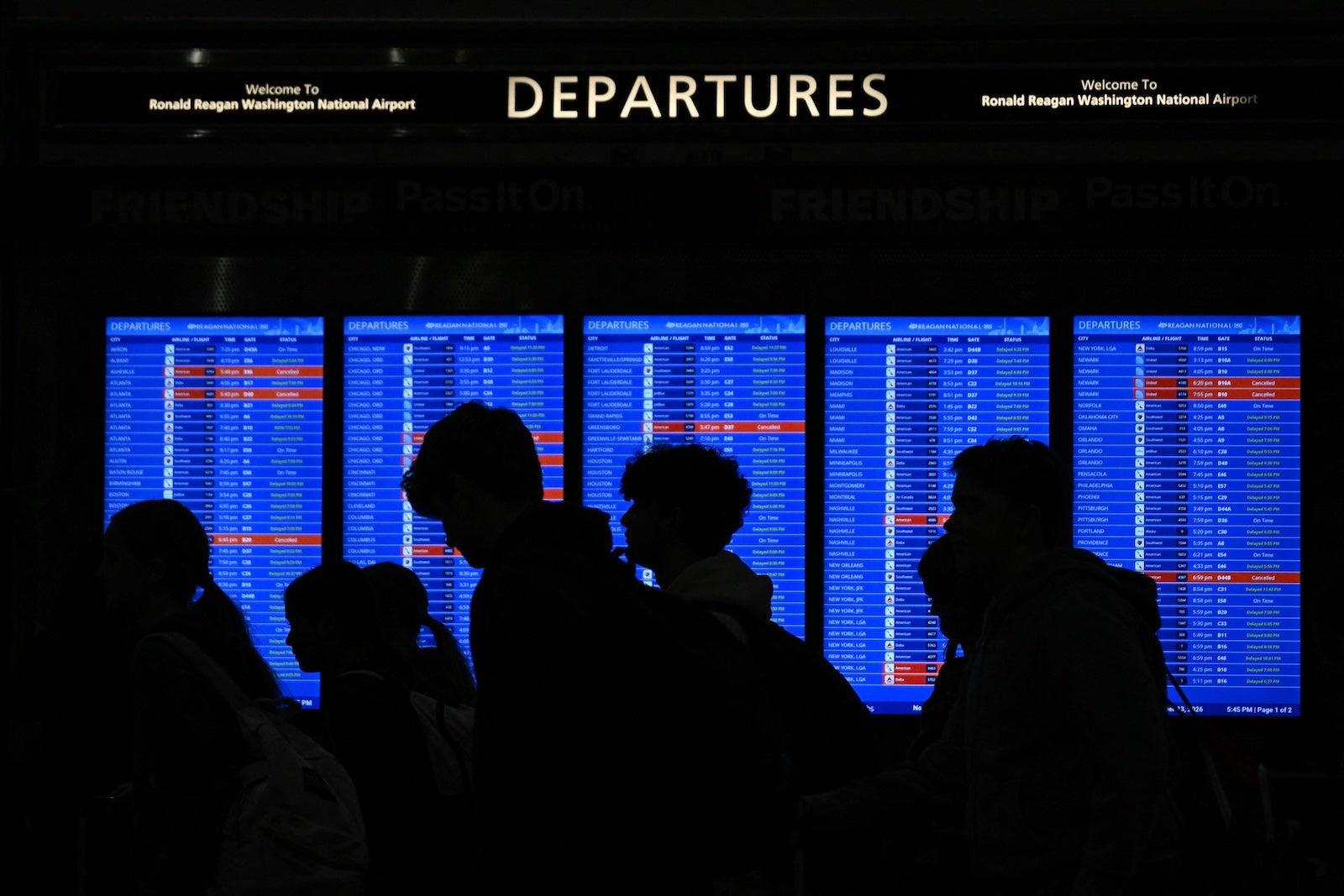
It appears air travel is back on track after one of the most chaotic weekends we've seen at airports in years.
Flight schedules returned to normal this week after a rare nationwide ground stop created a nightmare weekend for flying. More than 18,000 flights were canceled between Friday and Sunday, affecting millions of travelers. It appears there will be no spillover from that meltdown into the big Thanksgiving travel week that's on the horizon, though.
The bigger concern is long-term.
It's not so much a safety question — industry experts steadfastly agree that air travel is still remarkably safe.
But there are plenty of worries about the possibility of another major air travel headache like we saw this weekend.
And that's a stressful and costly reality whether you're a passenger, a crew member, an airline executive or a front-line aviation worker.
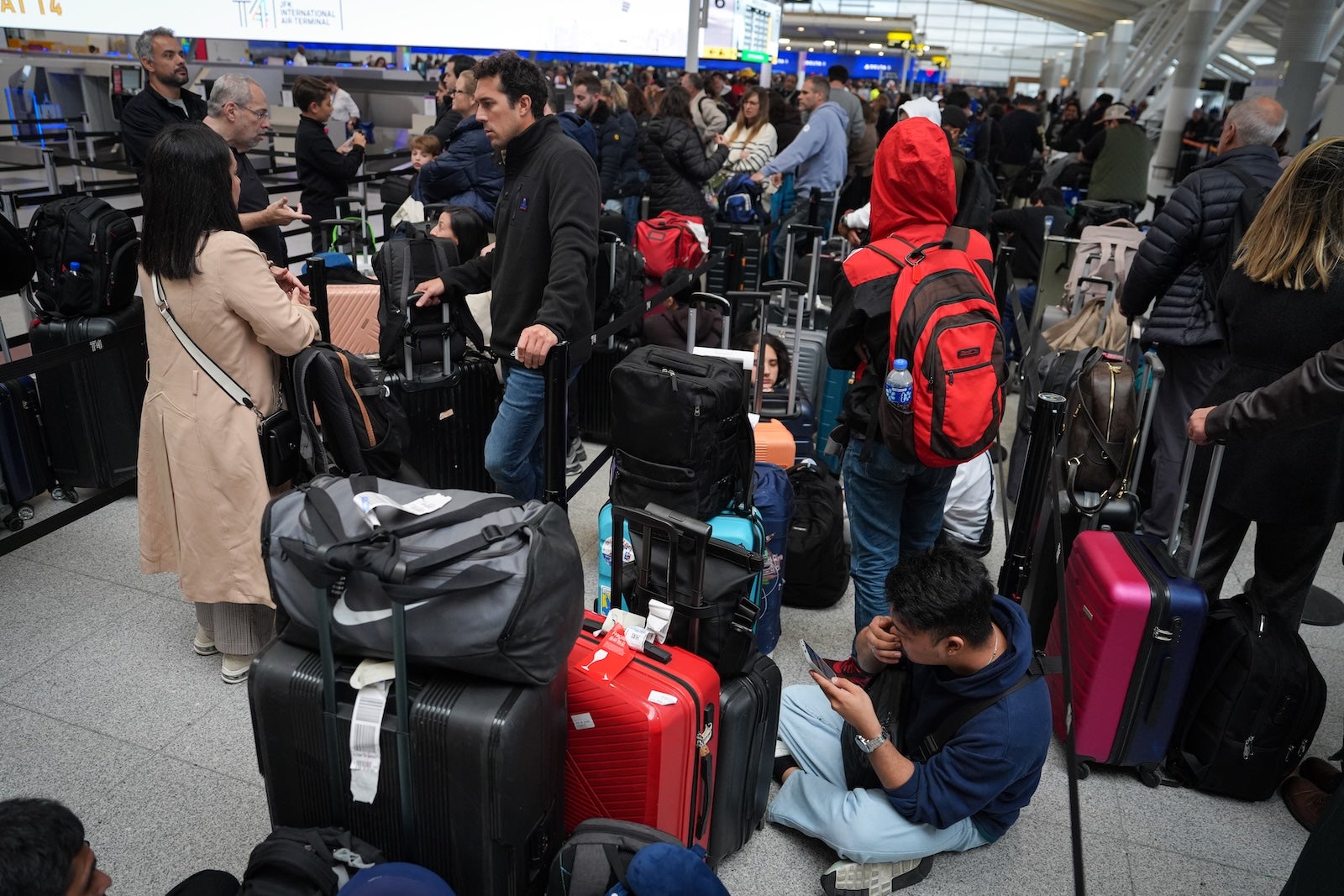
Is there risk of another air travel meltdown?
In recent years, travelers have gotten one reminder after another about how strained our aviation infrastructure is.
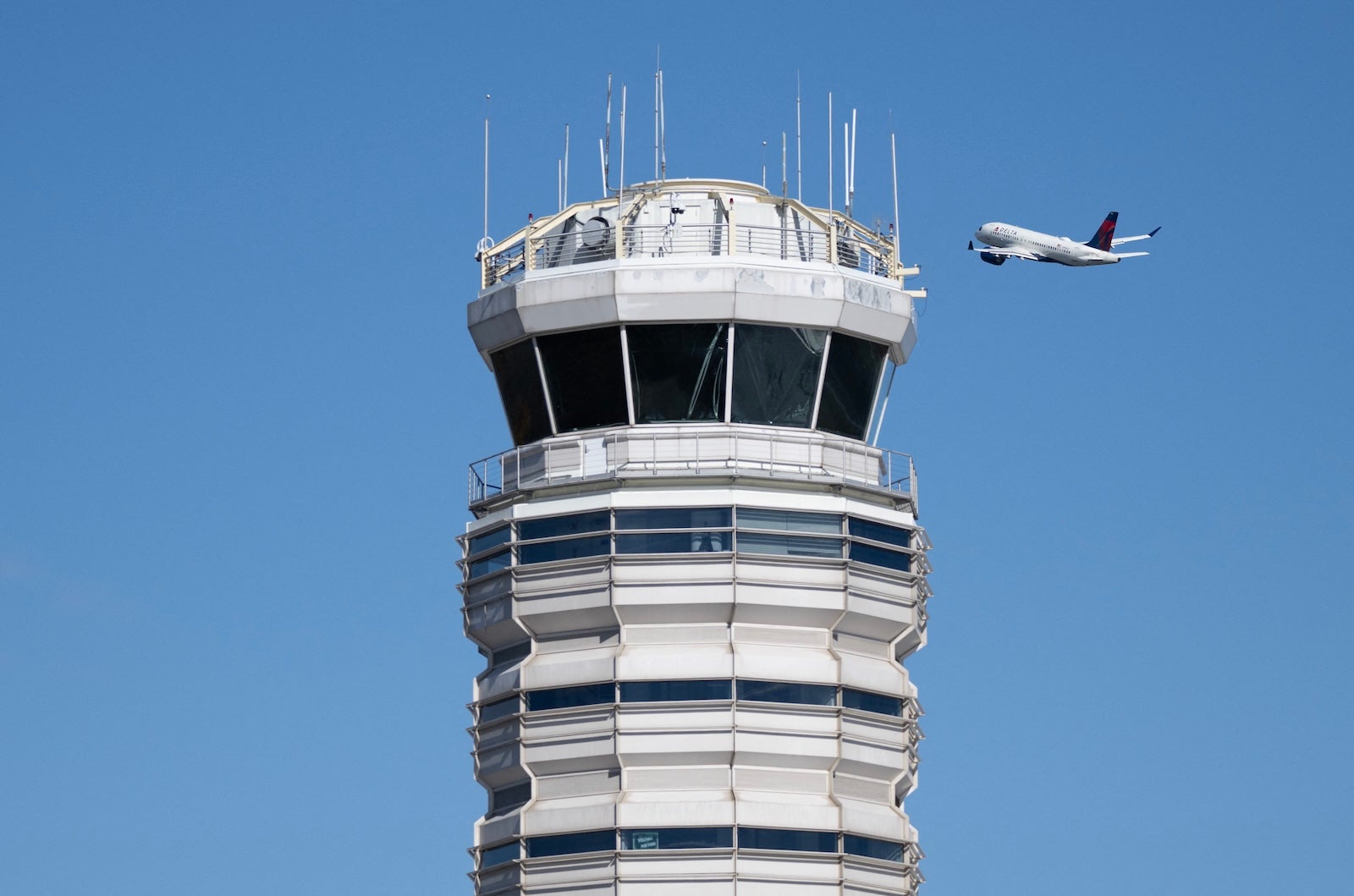
For years, the Federal Aviation Administration has been plagued by both severely outdated technology and short staffing in air traffic control.
Those concerns have grown even louder in the wake of several recent incidents.

After 9/11, the U.S. went more than 20 years without a nationwide ground stop like the one we saw on Friday.
We've now seen two happen since 2023. Both instances involved outages to critical FAA systems.
Meanwhile, the vital air traffic control workforce that directs the flow of planes in our airspace has been chronically understaffed. Controllers routinely work six-day weeks and mandatory overtime.
Together, these problems have fueled several of the most high-profile air travel disruptions in recent memory.
Last fall, ATC staffing was a major factor in the mass flight cancellations and delays we saw at the height of the government shutdown.
In 2025, equipment outages plus undermanned air traffic control centers contributed to the weeks of chaos travelers endured at Newark Liberty International Airport (EWR).
In the wake of the latest technology failure on Friday, FAA administrator Bryan Bedford was asked bluntly whether he could say for certain that there wouldn't be a repeat of this past weekend's chaos.
"I can say with certainty that the system is really, really old," he told CBS News Tuesday.
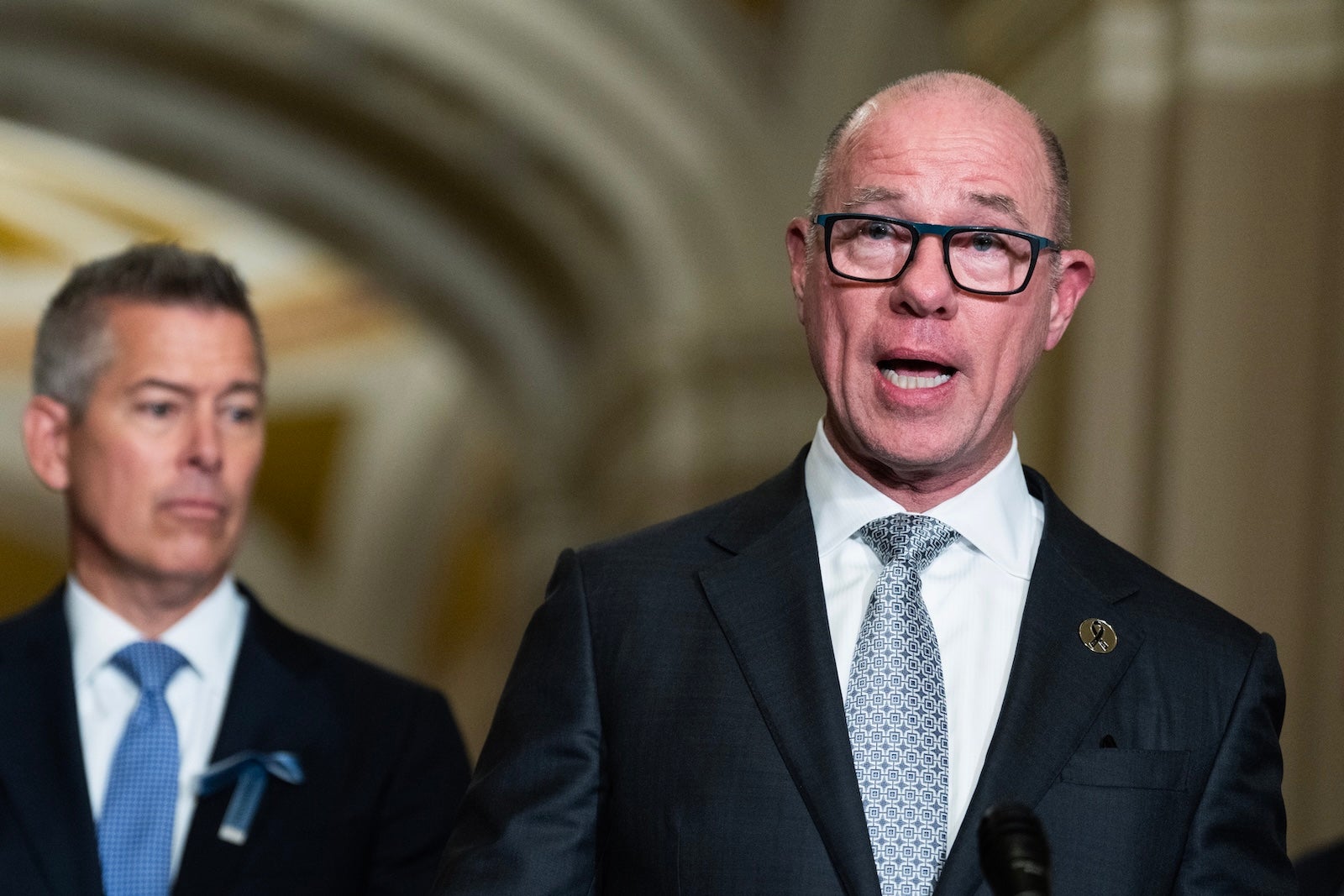
"Let's not kid ourselves," Bedford added. "This system has been fragile, and it does go down."
Will the problems finally get fixed?
There has been momentum to fix both problems, which have festered for decades under the leadership of both political parties.
In recent years, the FAA has upped its air traffic control hiring efforts, in a push to reduce long-standing vacancies.
Meanwhile, Congress last year earmarked $12.5 billion for infrastructure upgrades.
The Department of Transportation has started that work, but says it needs a lot more money to make truly sweeping upgrades.
The travel sector has broadly supported that request: "They need to get to 100% staffing and to have the funds to modernize the technology," United Airlines CEO Scott Kirby wrote in a social media post Sunday.
But securing that funding will hinge on political dealmaking in Washington, D.C., which in January will be led by a divided government.
And however that fight ends, these problems won't be solved overnight.

It takes years to fully train air traffic controllers.
And to add to the complexity, overhauling aviation infrastructure while tens of thousands of flights operate each day is painstaking work with significant consequences — even if the money is there in the first place.
Look no further than last week's FAA outage, where crews replacing a router apparently triggered a chain-reaction outage that upended air travel in the U.S. for days — a disruption American Airlines now counts among the most significant in its 100-year history.
"The transition itself needs to be carefully analyzed and tested," said Capt. Shem Malmquist, a longtime Boeing 777 captain and visiting professor at the Florida Institute of Technology's College of Aeronautics. "Otherwise, an upgrade intended to solve one problem can introduce another."
Flying remains safe, even as concerns persist
Despite all the concerning headlines, industry experts largely agree:
- Passengers should feel safe going to the airport this Thanksgiving and beyond.
- Changes still need to be made.
"Both things can be true," Malmquist said, pointing to the many safety layers that allow planes to safely operate even when problems arise.
Keep in mind: Every plane that was in the sky during last week's FAA disruption landed safely.
And the move to halt thousands of flights? That was ultimately meant to protect travelers, leaders have emphasized.
"Passengers experience delays and cancellations, but those restrictions help keep the system safe," Malmquist said. "That doesn't mean the underlying vulnerabilities are acceptable."
Related reading:
- Flight delayed or canceled? Here's what to do
- Getting a refund for your flight: What to know in 2026
- TPG's favorite credit cards with travel insurance
- EU261 compensation: What is it, and how does it work?
- Air travel meltdowns: 9 ways the TPG team navigates flight woes
- Why it's so important to make sure your boarding pass says 'TSA PreCheck'