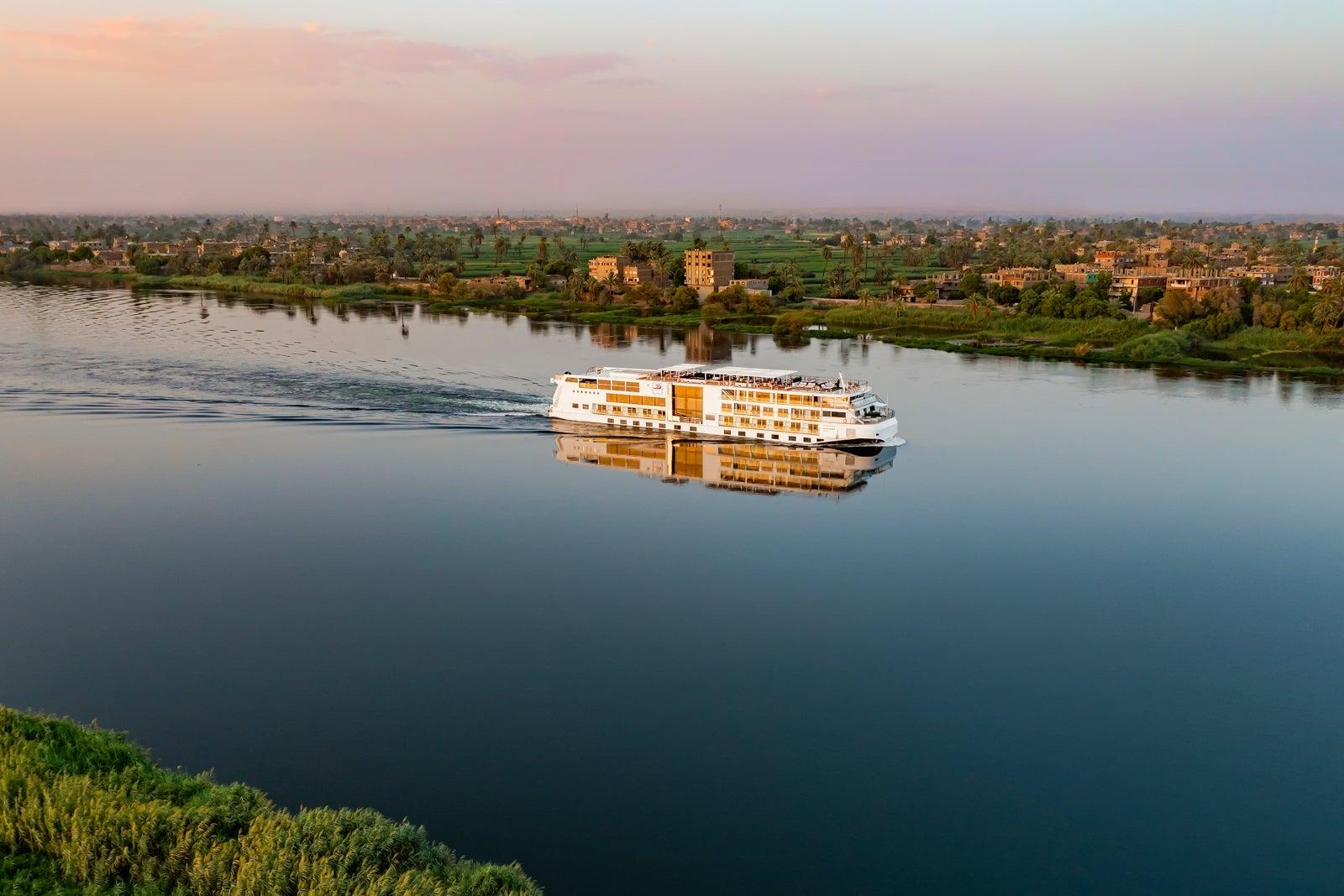
I just sailed the Nile on a Viking ship. It's a great way to tour Egypt

Editor's Note
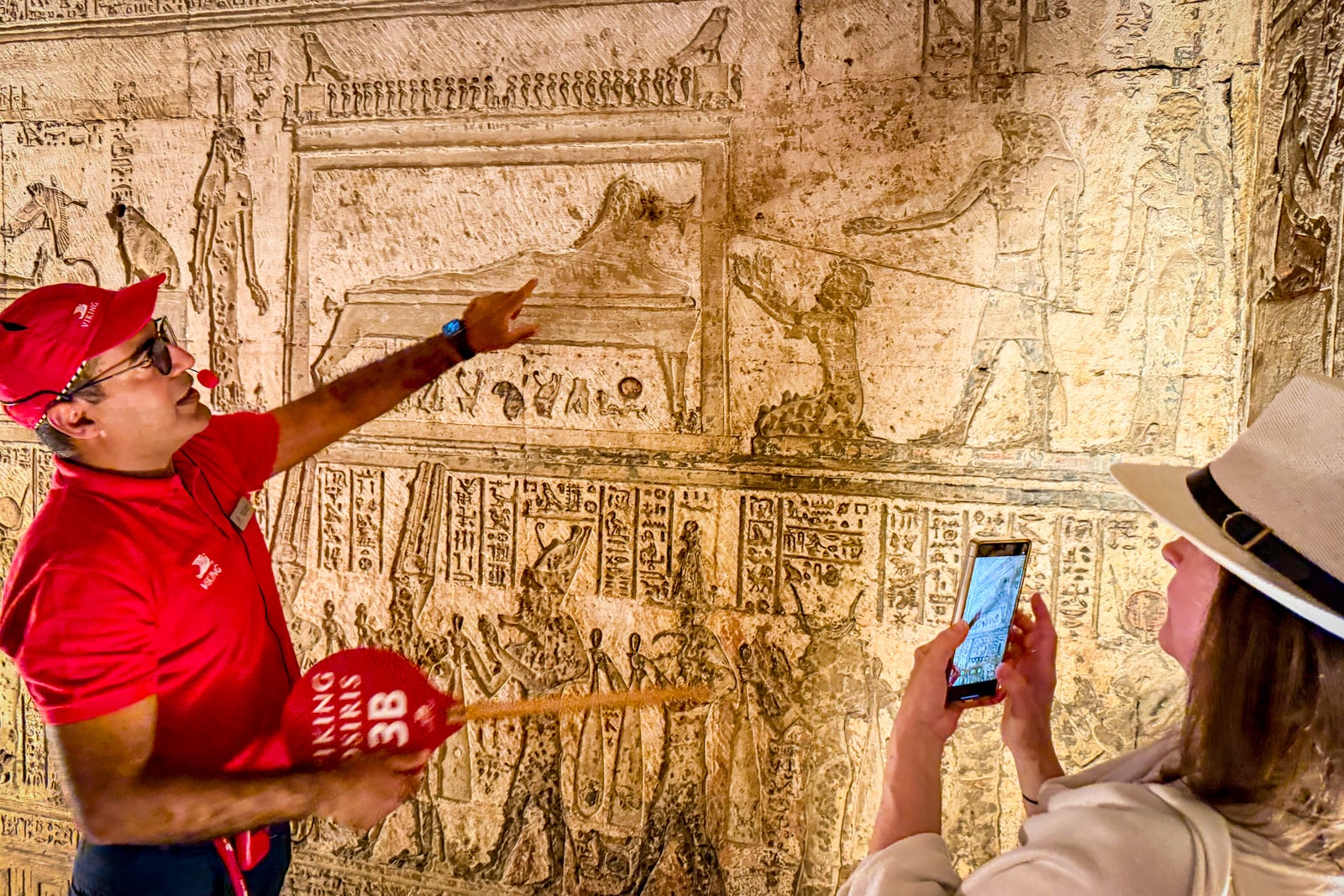
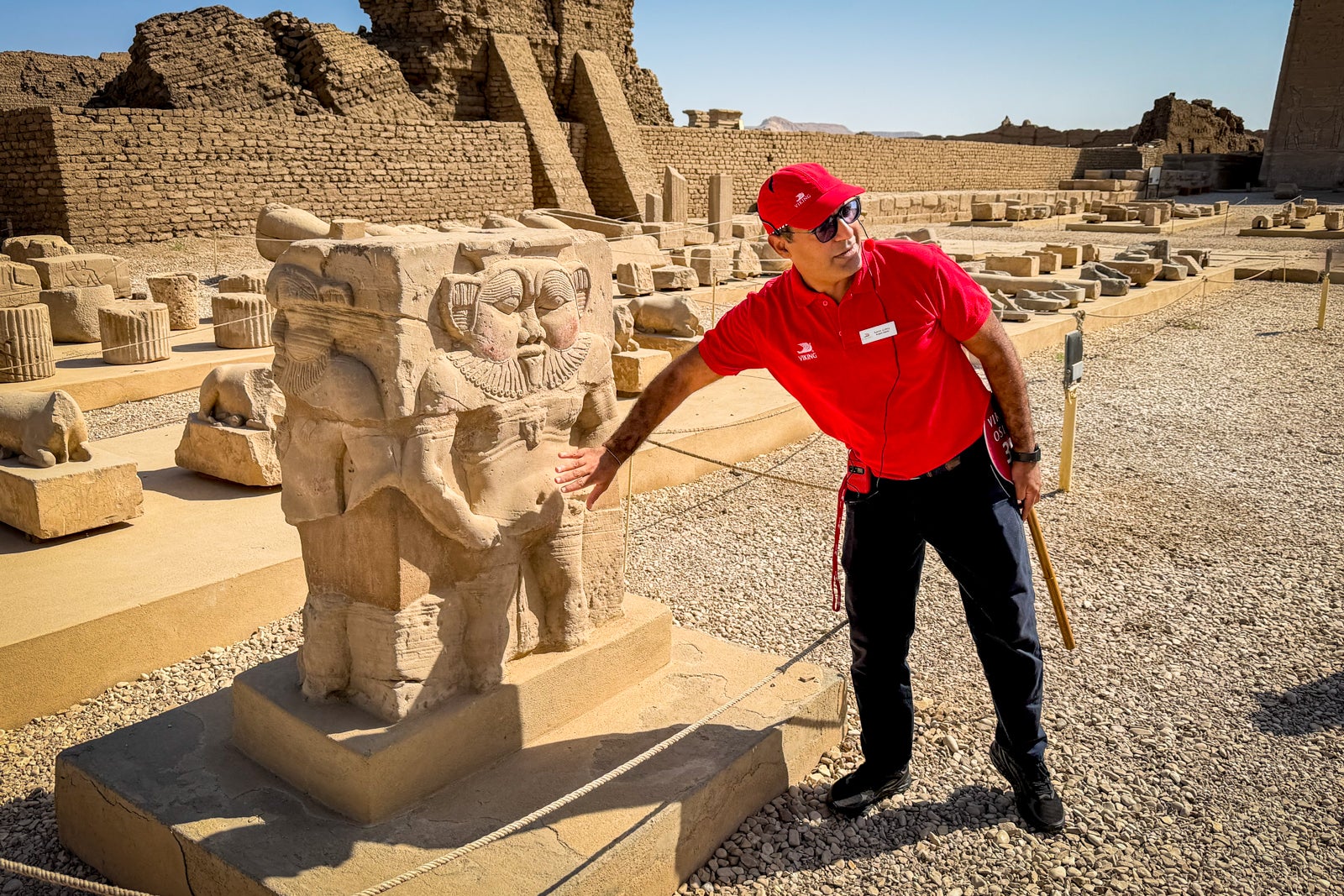
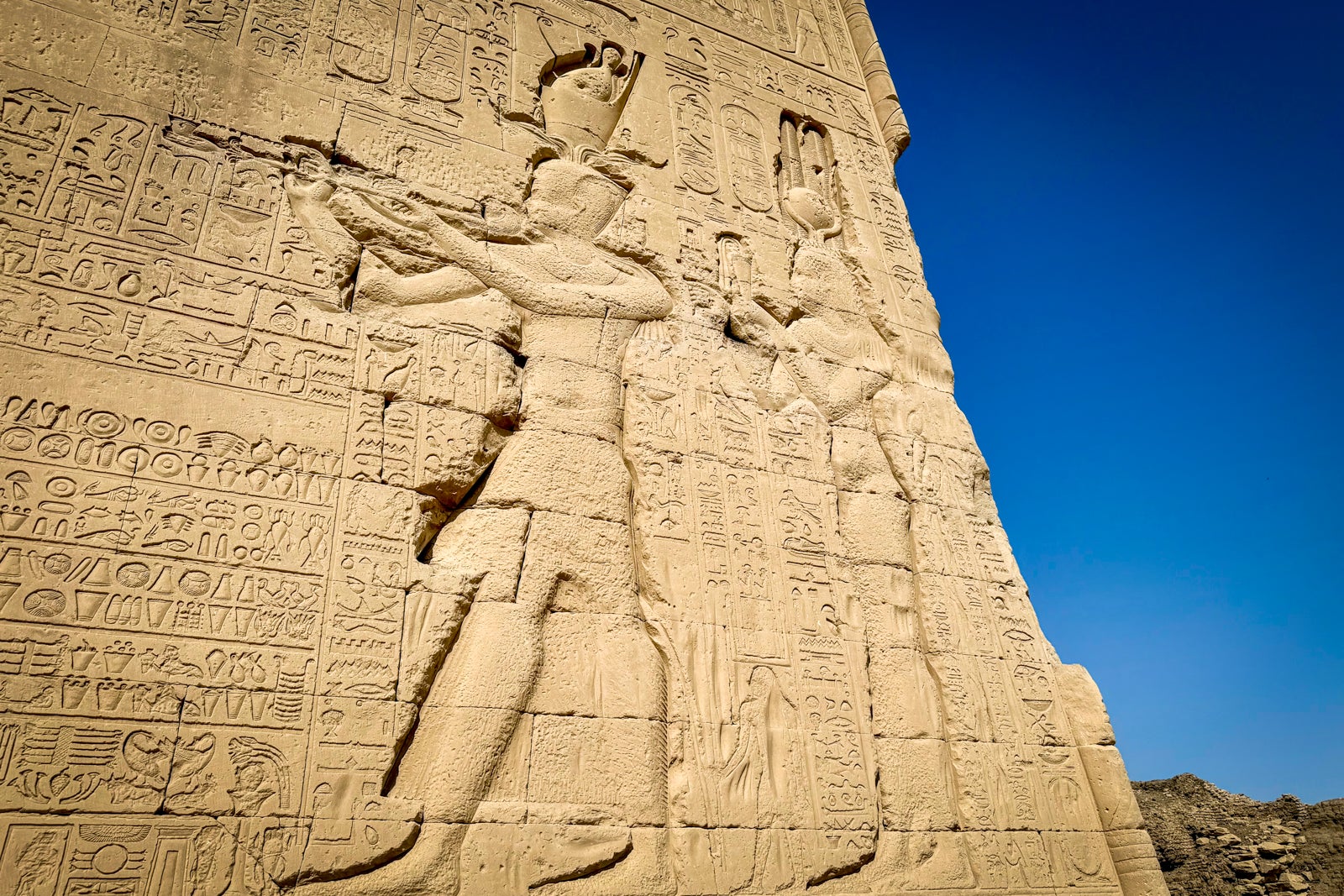
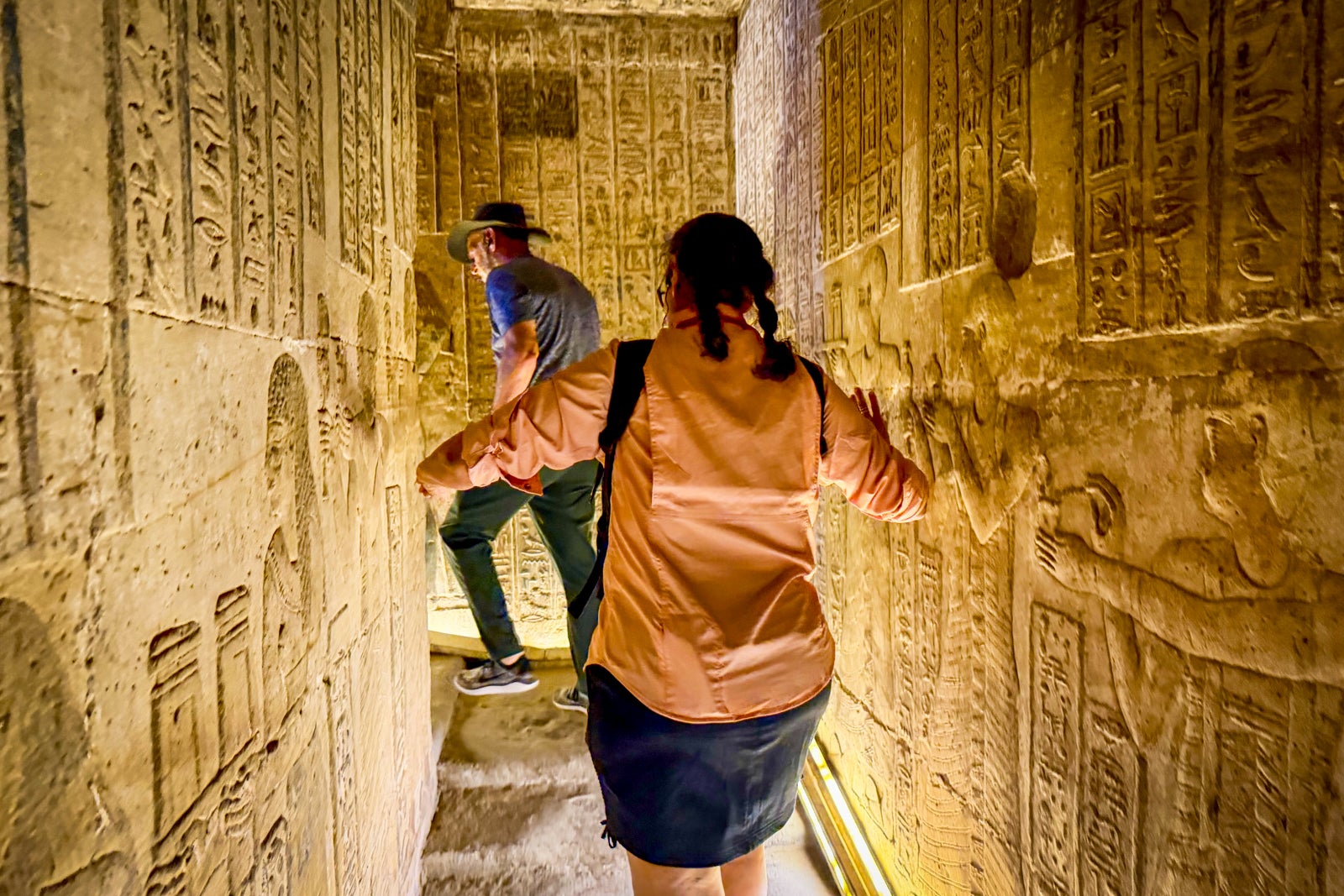
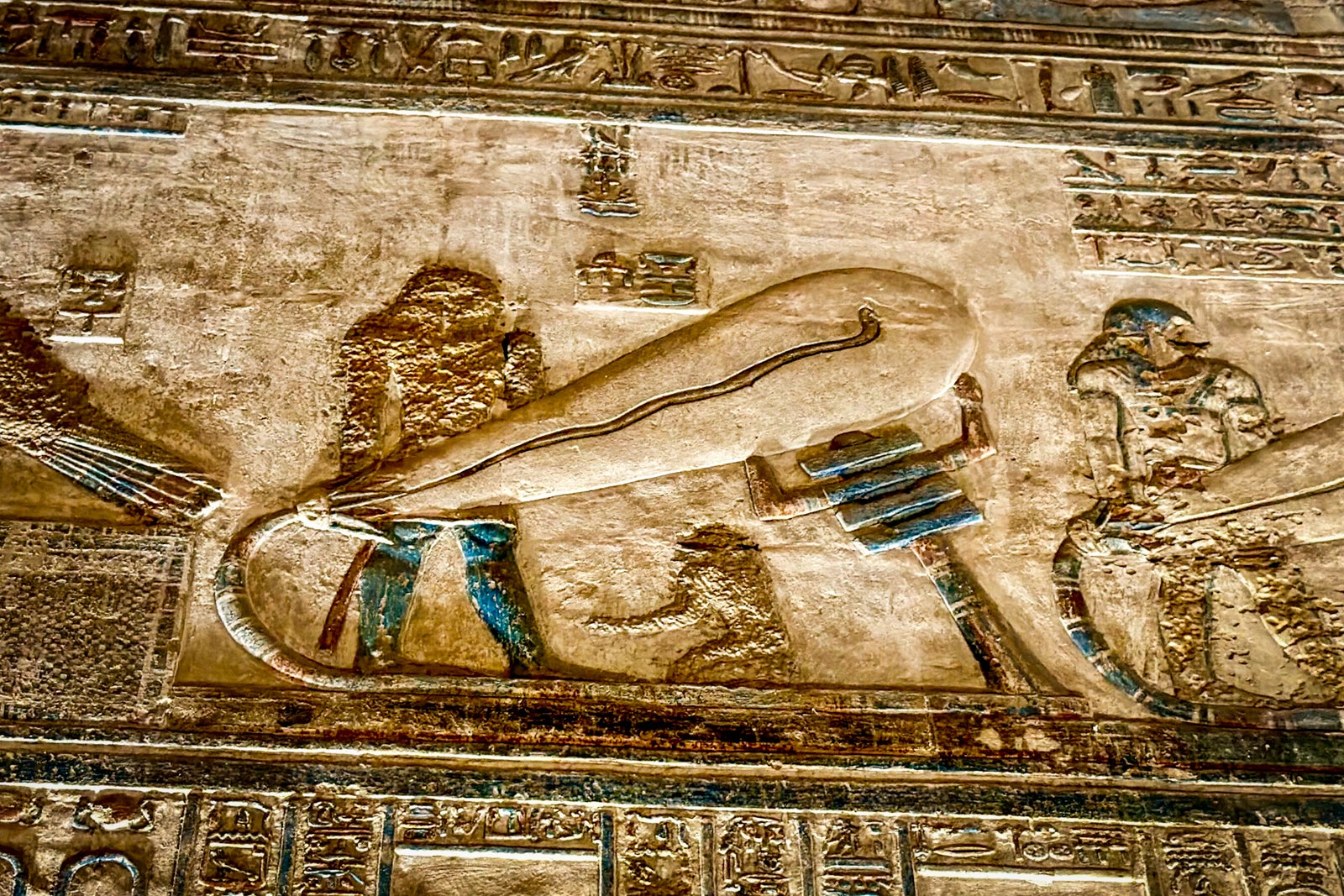
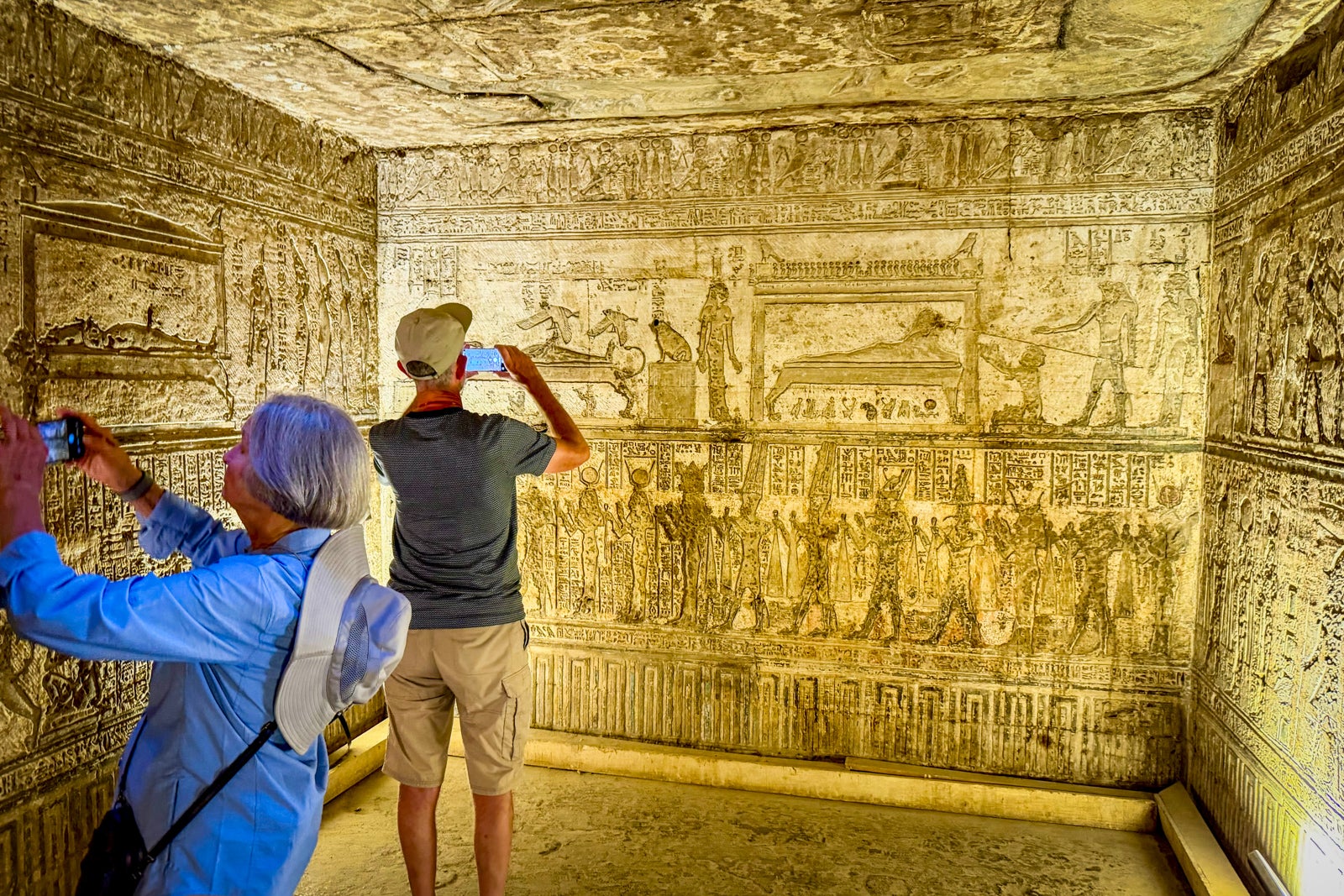
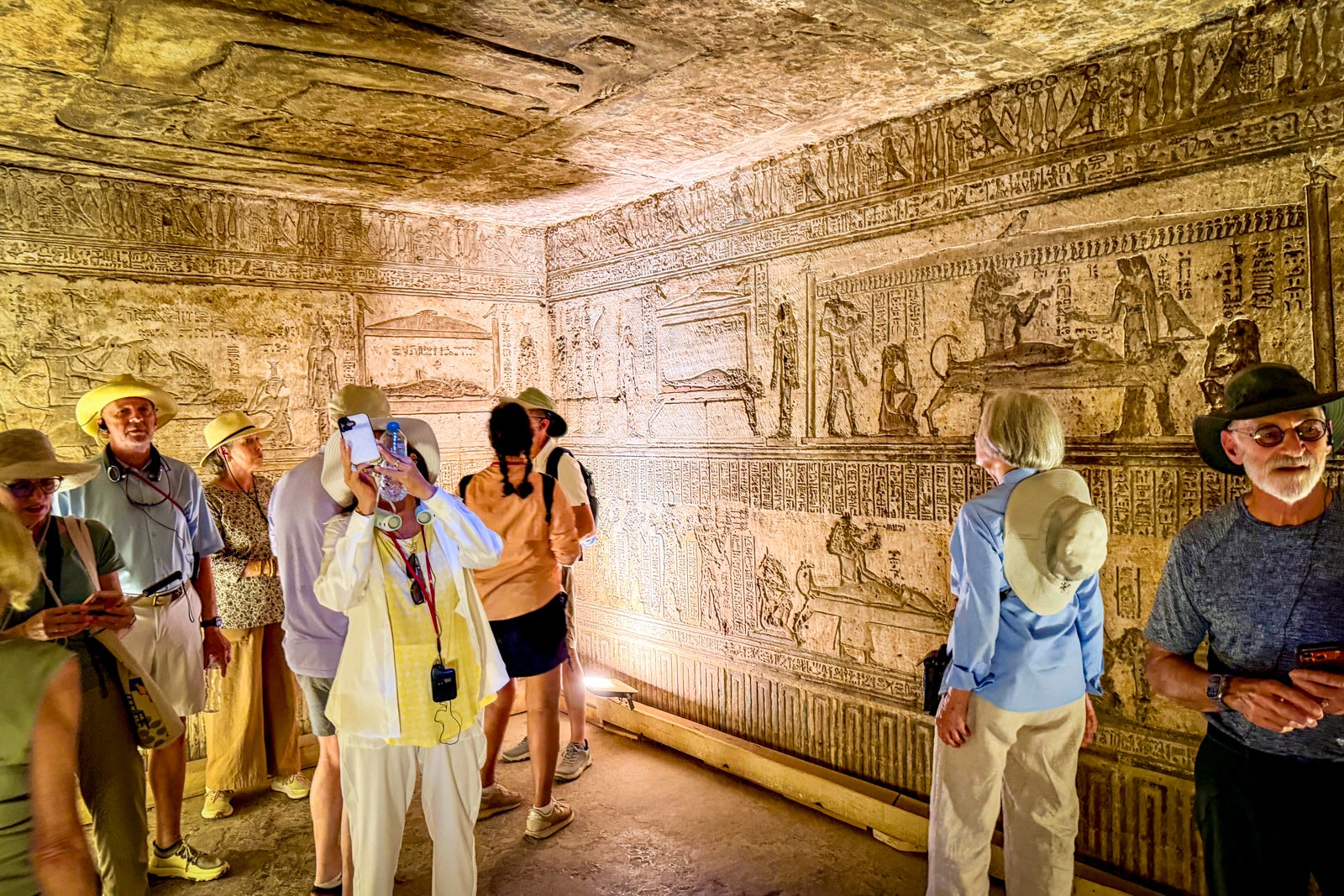
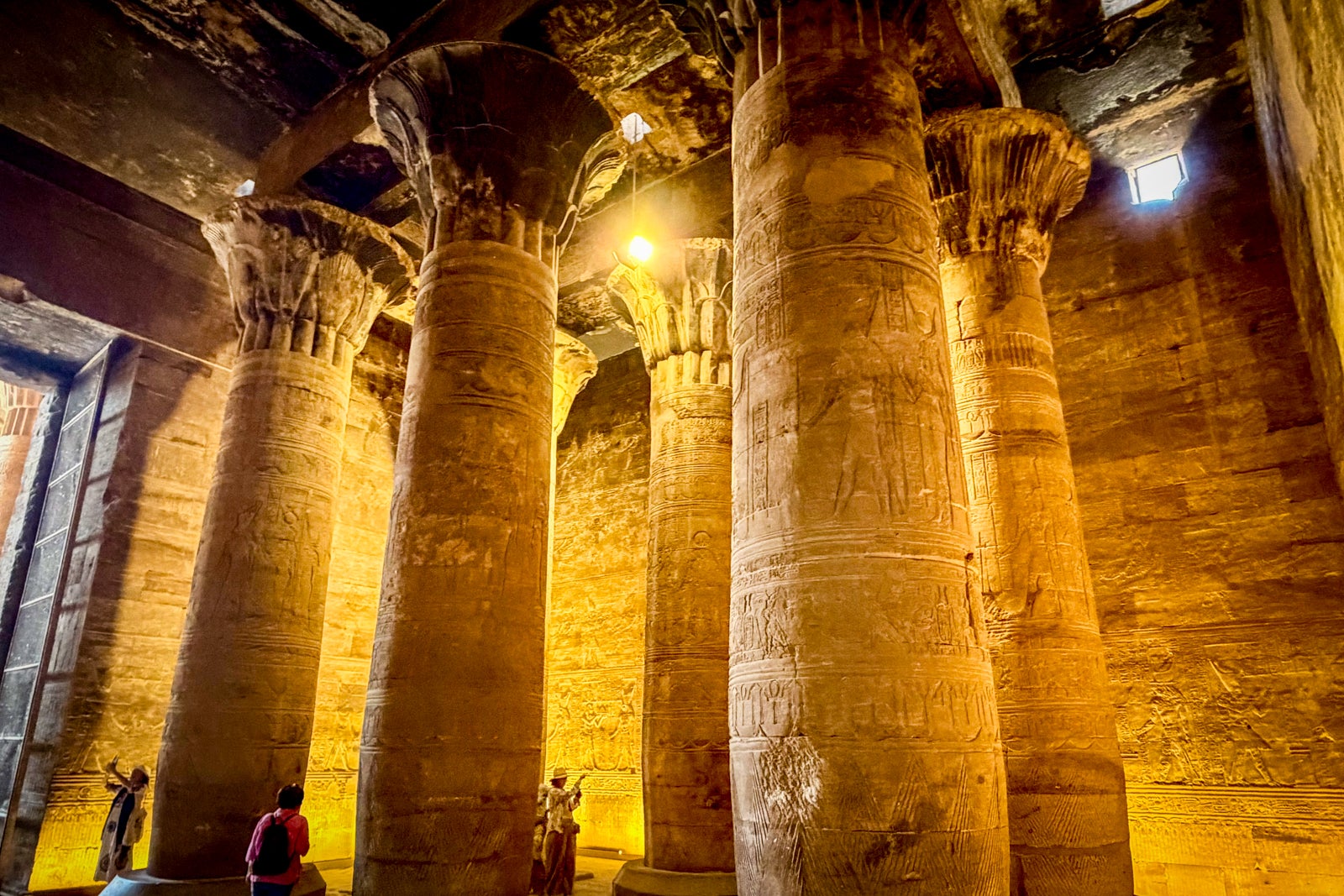
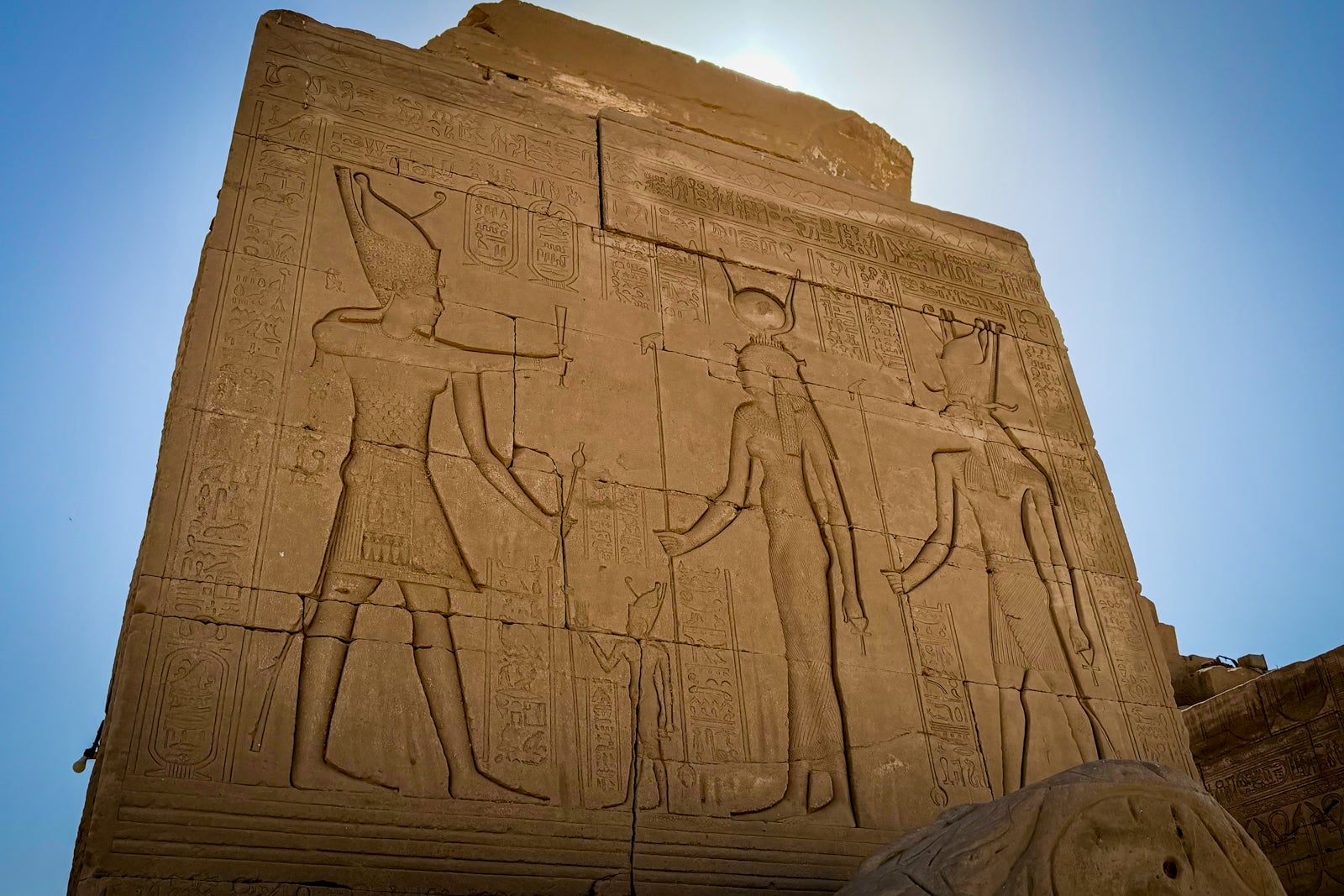
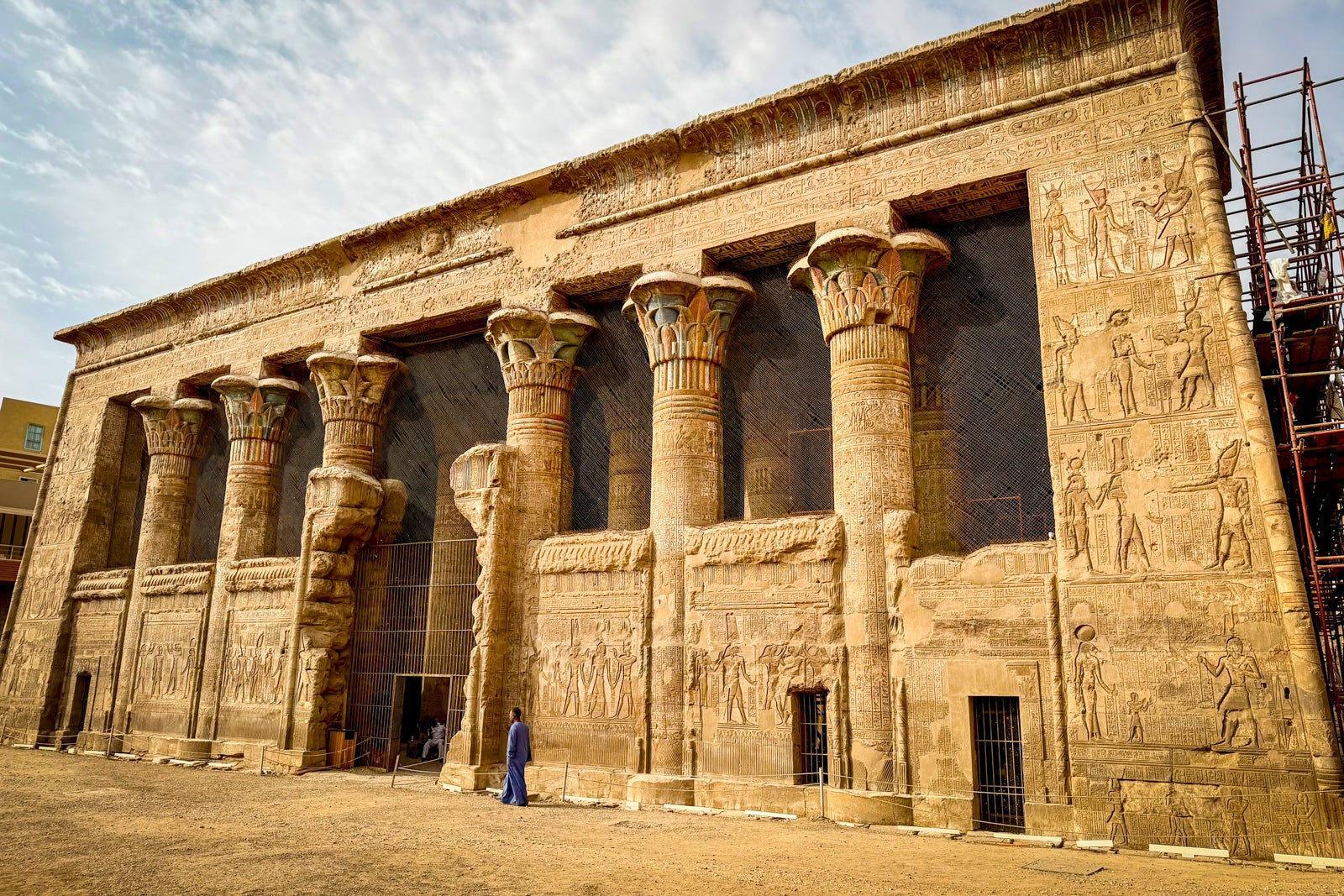
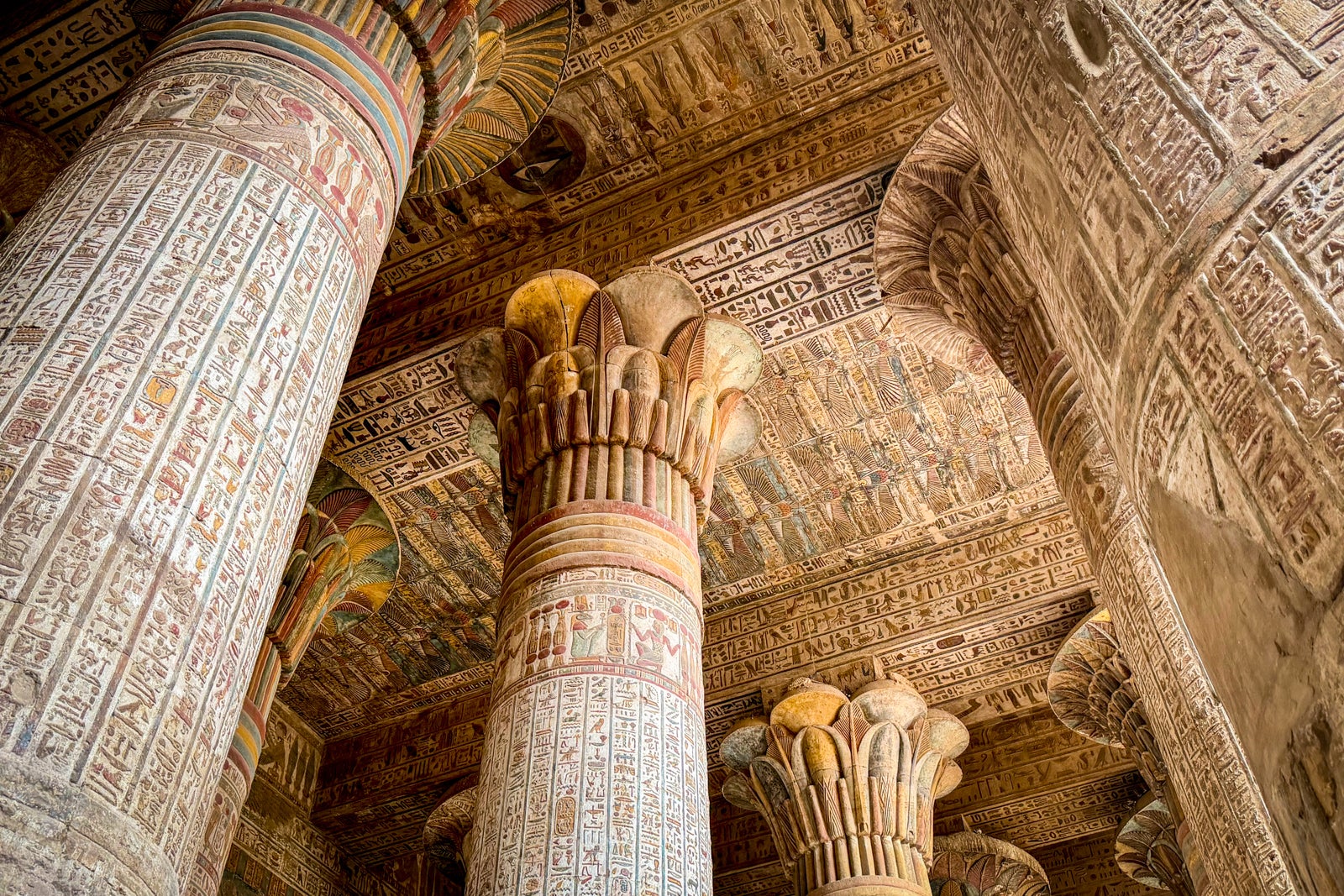
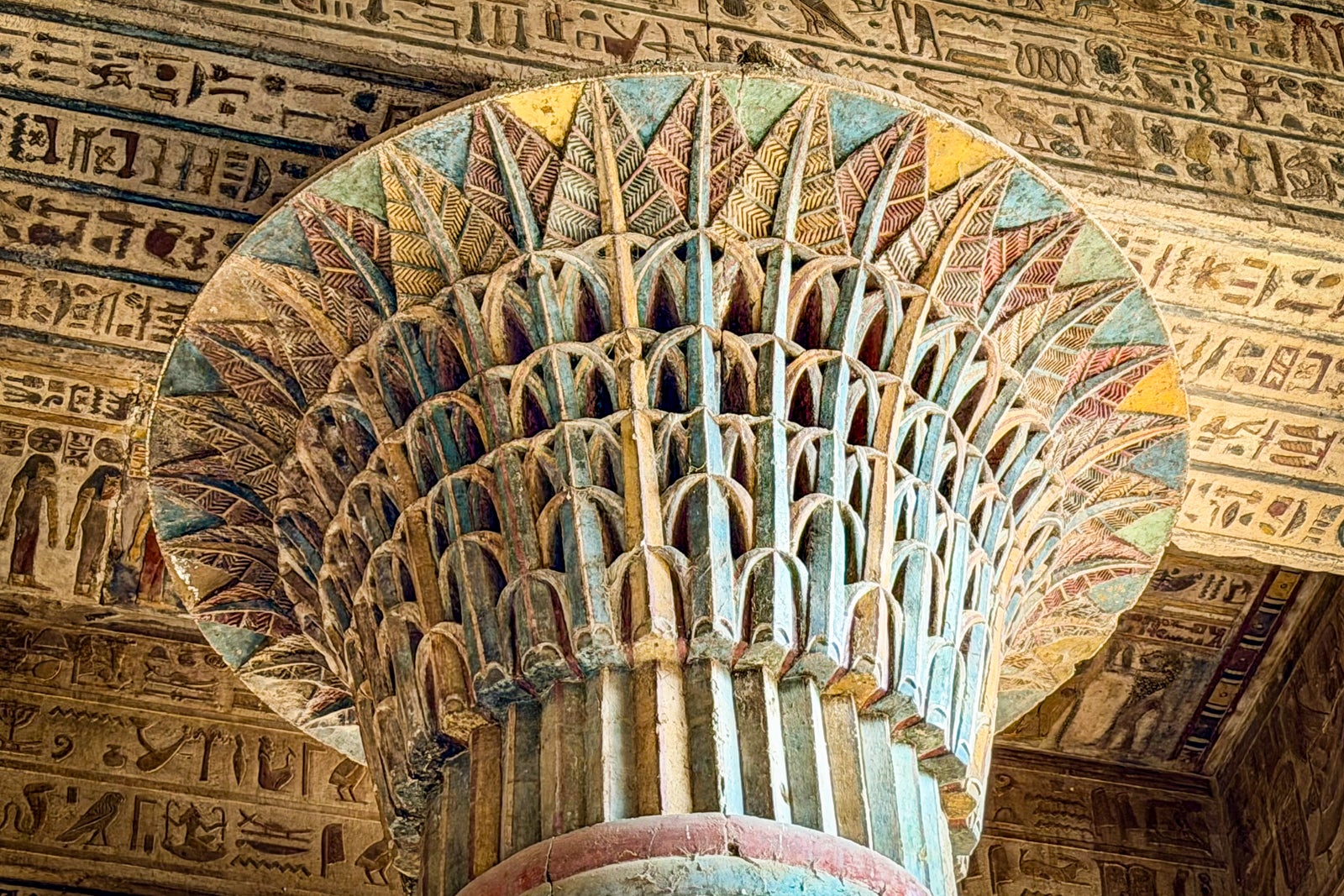
Our Viking guide, Karim Zohny, is leading us through one of the best-preserved ancient temples in all of Egypt, the Temple of Hathor, explaining the famously colorful reliefs that line its massive sandstone pillars, walls and ceilings.
Located along the Nile near the Egyptian city of Qena, it is, as Zohny notes, unusual in its motifs, which include intricate celestial maps and giant images of the Egyptian queen Cleopatra and her son Caesarion.
That our small group of two dozen passengers from the Viking river ship Viking Osiris is even here is also relatively unusual.
Most vessels that sail the Nile don't come this far north. Instead, they stick to the 130-mile stretch of river that runs between the more southerly cities of Luxor and Aswan.
It's just one of several things that make Viking's 11-night Egypt tours, in my opinion at least (after years of traveling in Egypt), among the best choices for exploring the country's splendors.
Pairing a seven-night Nile sailing with four nights of land-based travel, Viking's "Pharaohs and Pyramids" trips offer some of the most comprehensive, in-depth touring that you will find in Egypt. They also offer a Nile river ship experience that has few rivals, thanks to Viking's recent rollout of an all-new series of Nile vessels that is setting a new bar for the region.
In addition, as I have seen on more than one Viking trip in Egypt, the trips offer a particularly seamless and mostly all-inclusive experience, with just about every element — from lodging and meals to expert-led guided tours and special access to iconic sites — included in the fare.
Thrust into the past
Aimed at the same sort of history-loving travelers who get excited about visiting the ancient ruins of Greece and Italy, Viking's Egypt trips — like many tours of the country — focus heavily on what some consider the greatest civilization of all time: ancient Egypt.
Indeed, almost from the moment we land in Cairo to begin the tour, which begins with a three-night stay at the upscale Fairmont Nile City Hotel, we are thrust more than 4,500 years back in time to one of the oldest and greatest eras of ancient Egypt: The Old Kingdom.

Also known as the Age of the Pyramids, this was the period that saw the construction of monumental structures such as the 4,700-year-old Step Pyramid of Djoser, which we visit on our first full day of touring.
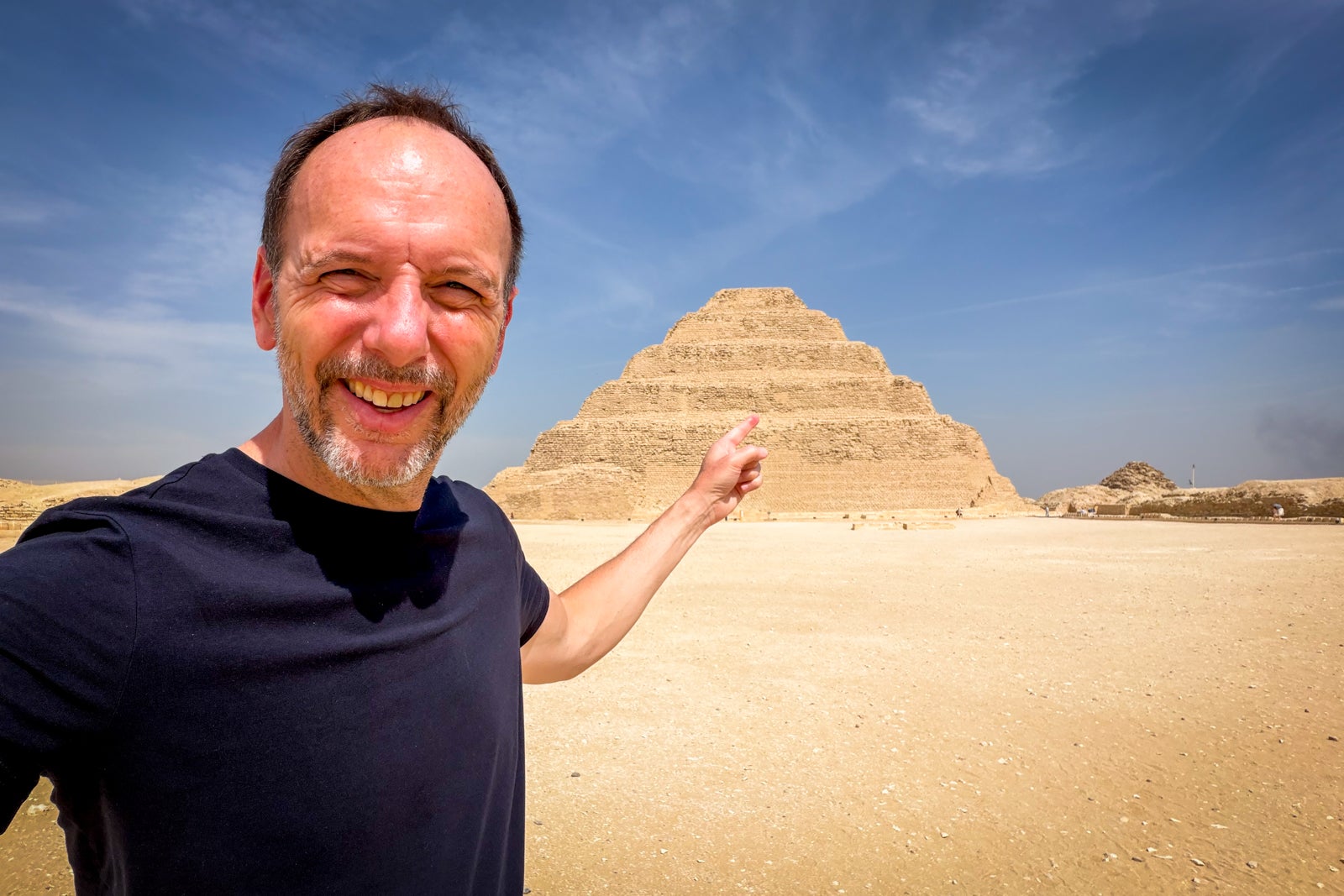
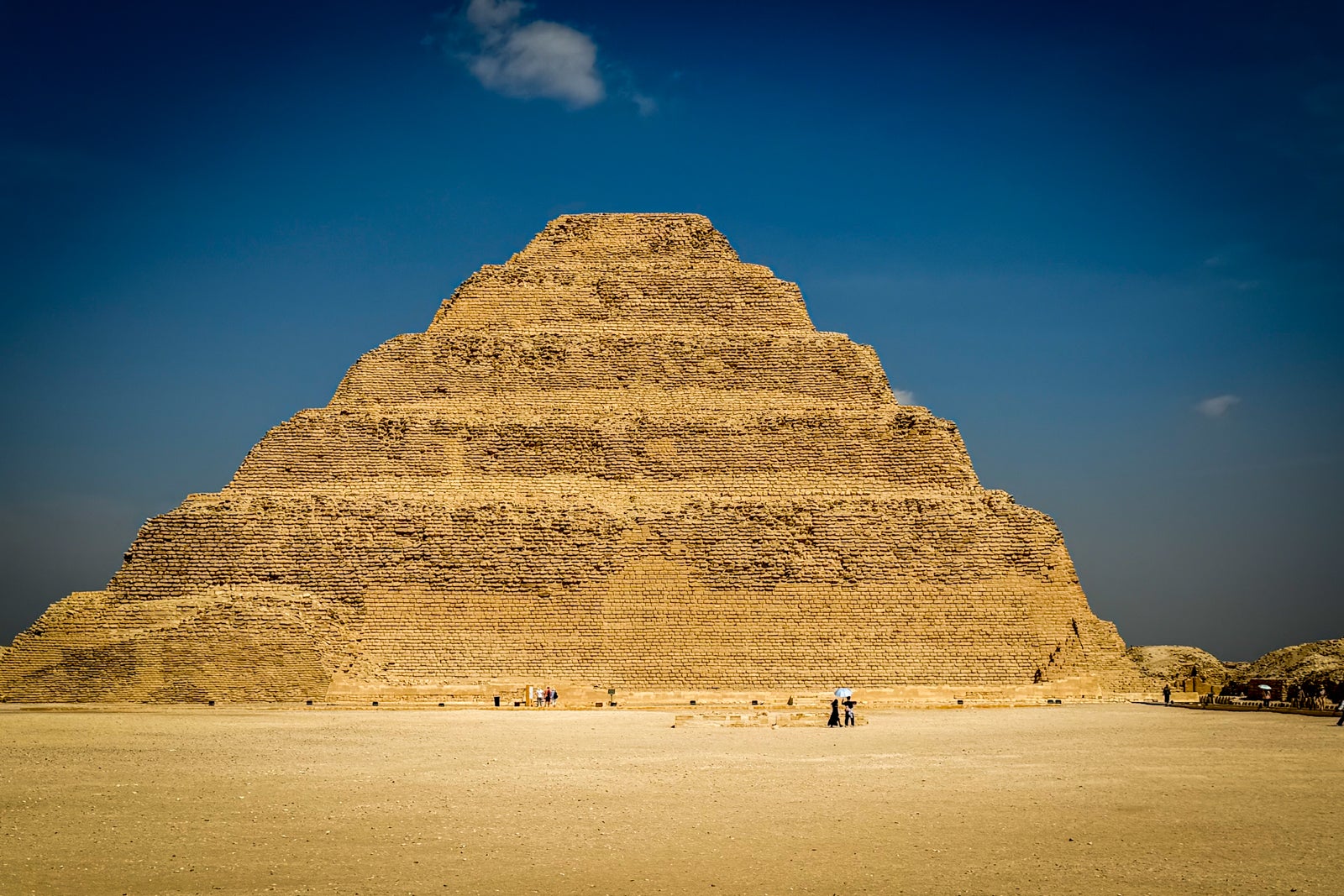
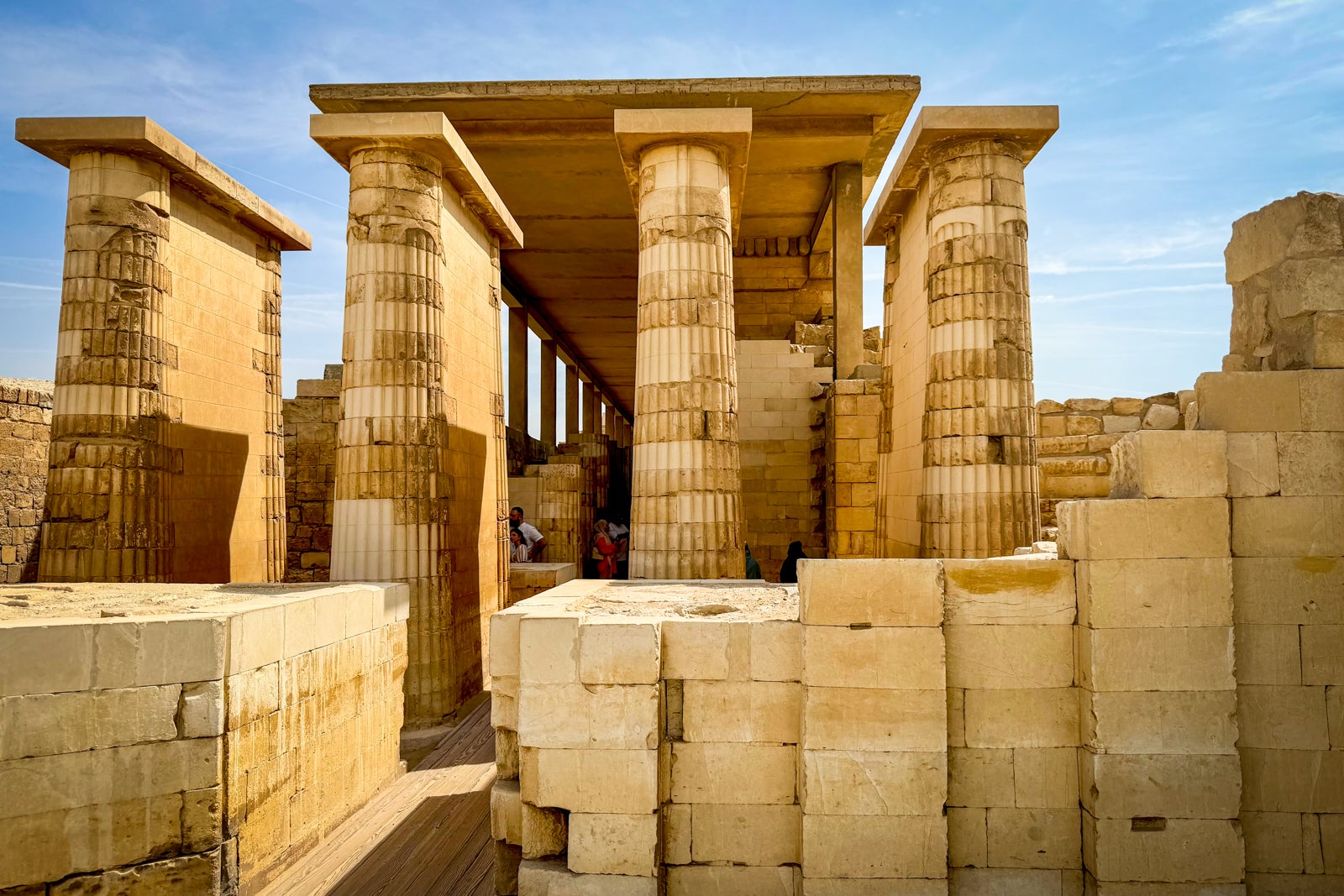
Located at the edge of the desert just outside Cairo, in an area known as Saqqara, it was, as Zohny explains, not only the first pyramid built in Egypt but also by far the largest stone structure built by humans up to that time.
In that respect, its construction was one of the great milestones of history.
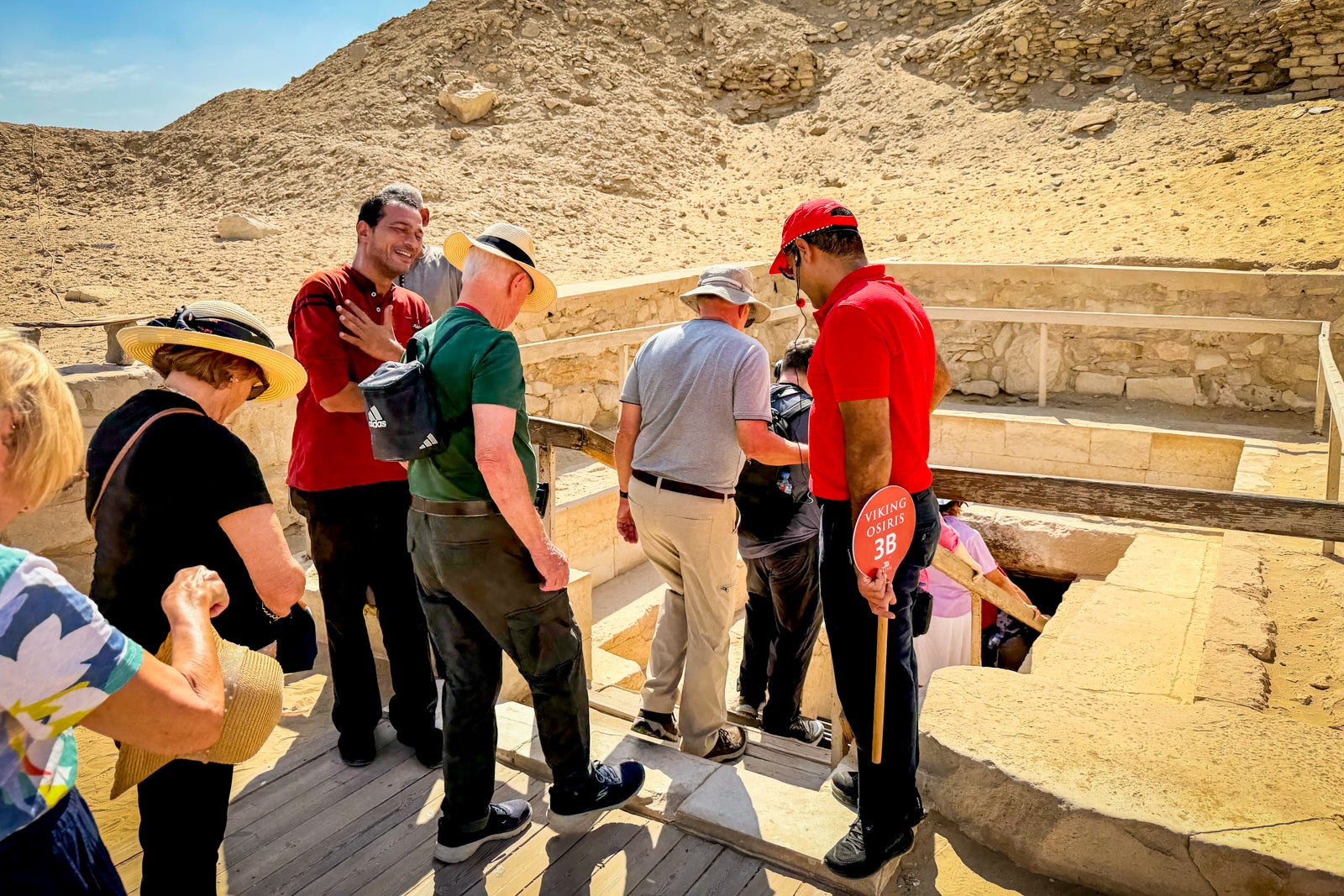
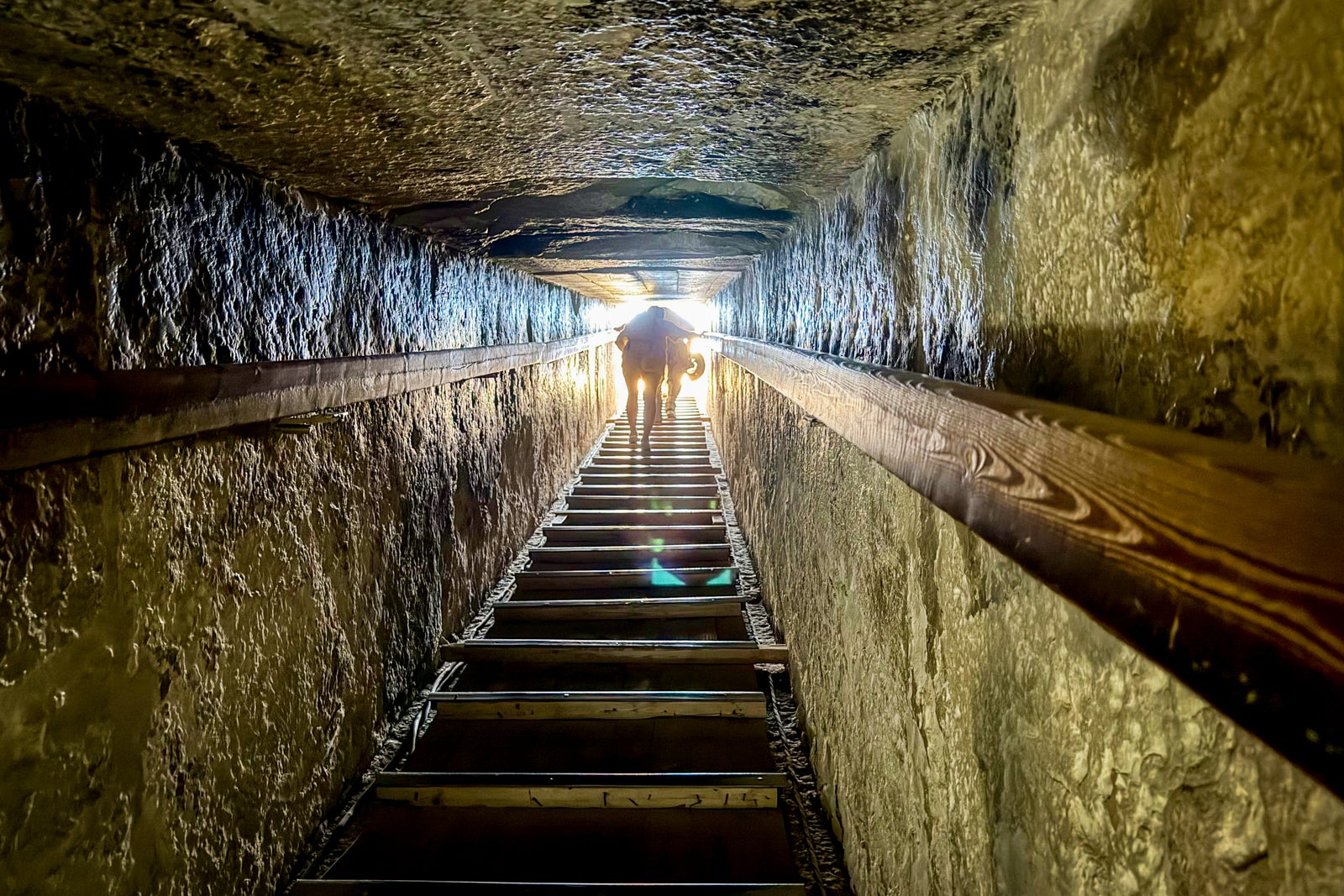
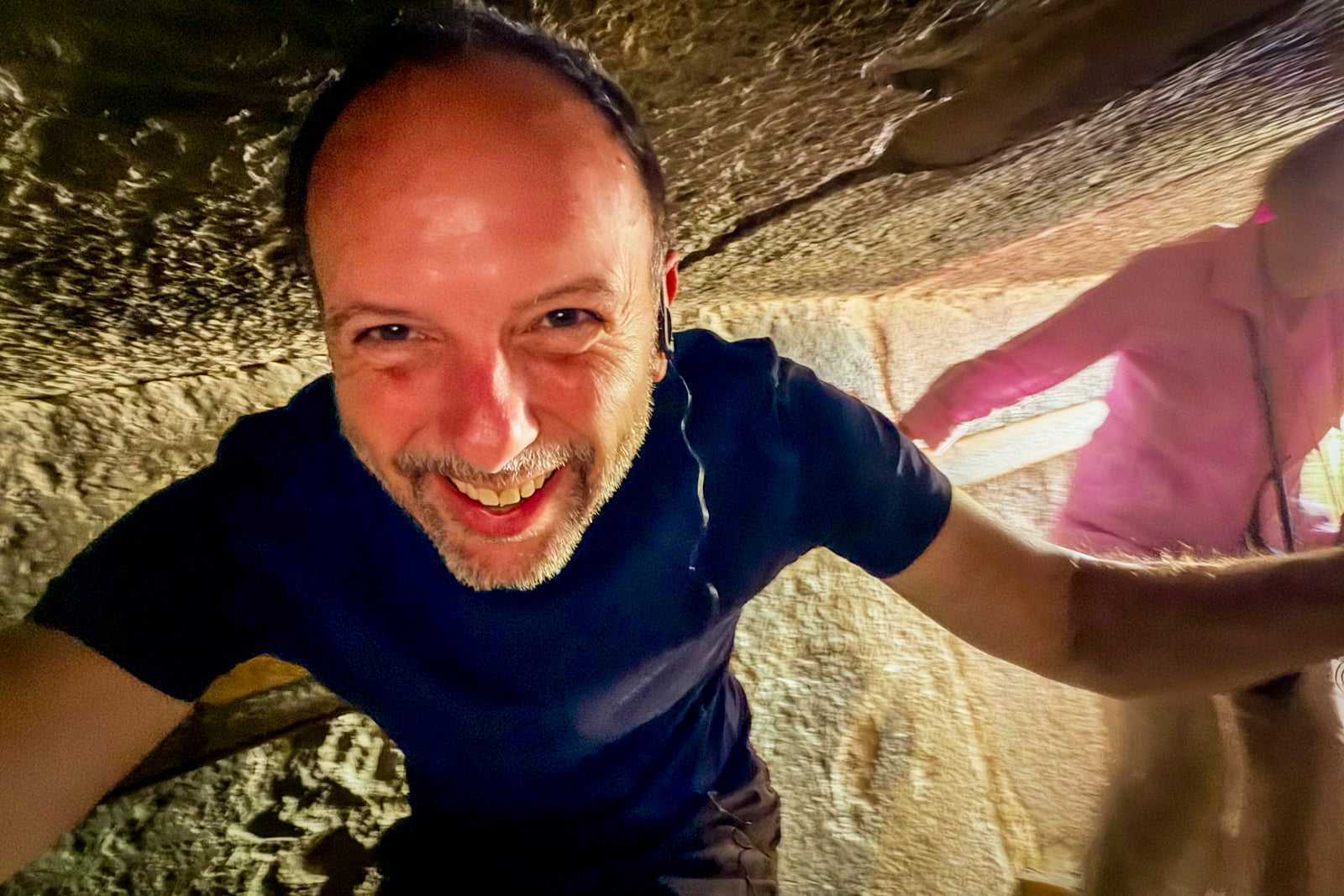
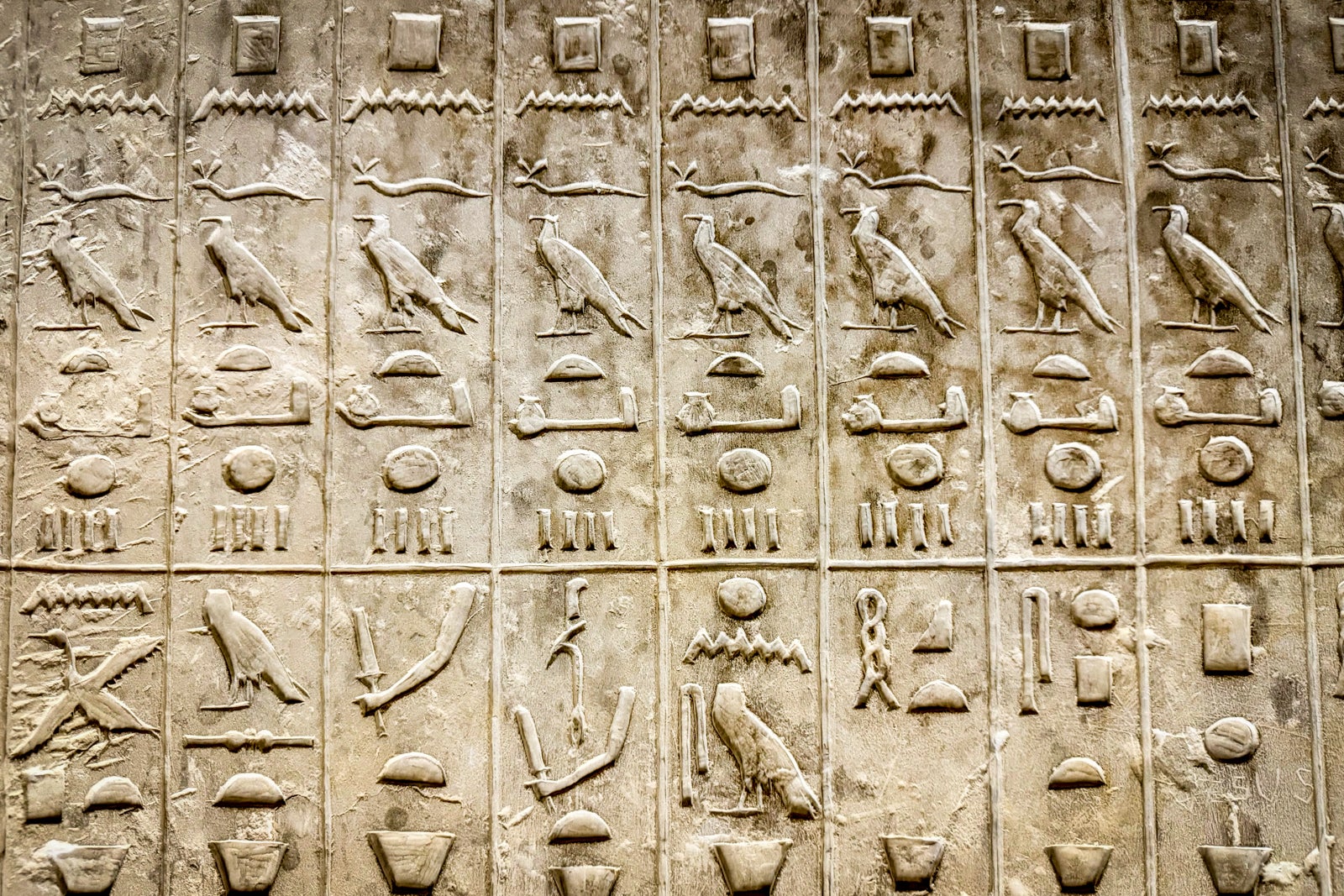
It's a history we experience viscerally as we frog-walk down a low-sloping tunnel into another nearby pyramid built for the pharaoh Teti. After nearly a hundred feet, we emerge into a three-room tomb covered in ancient hieroglyphics, among the oldest funerary texts ever found in an Egyptian tomb.
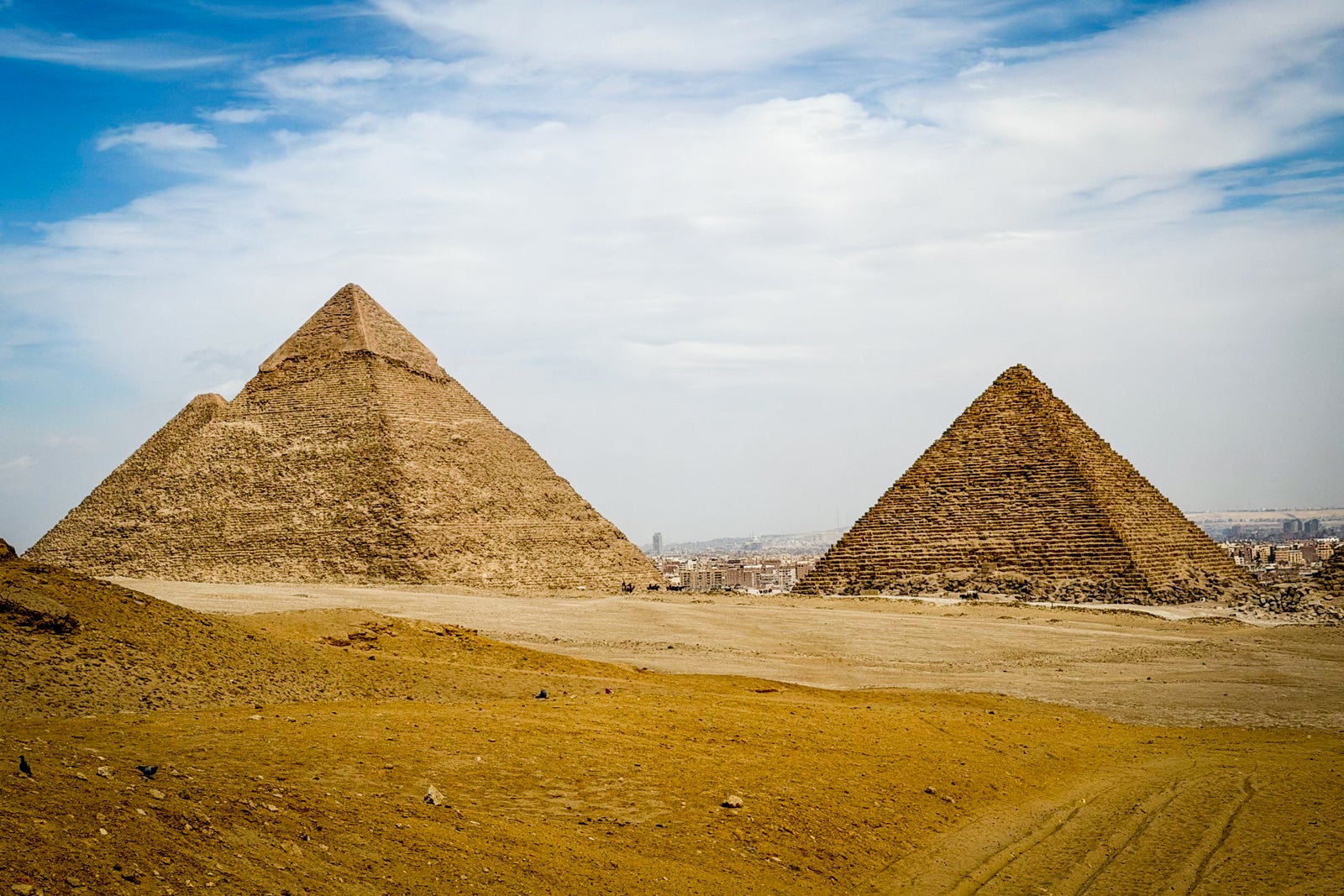
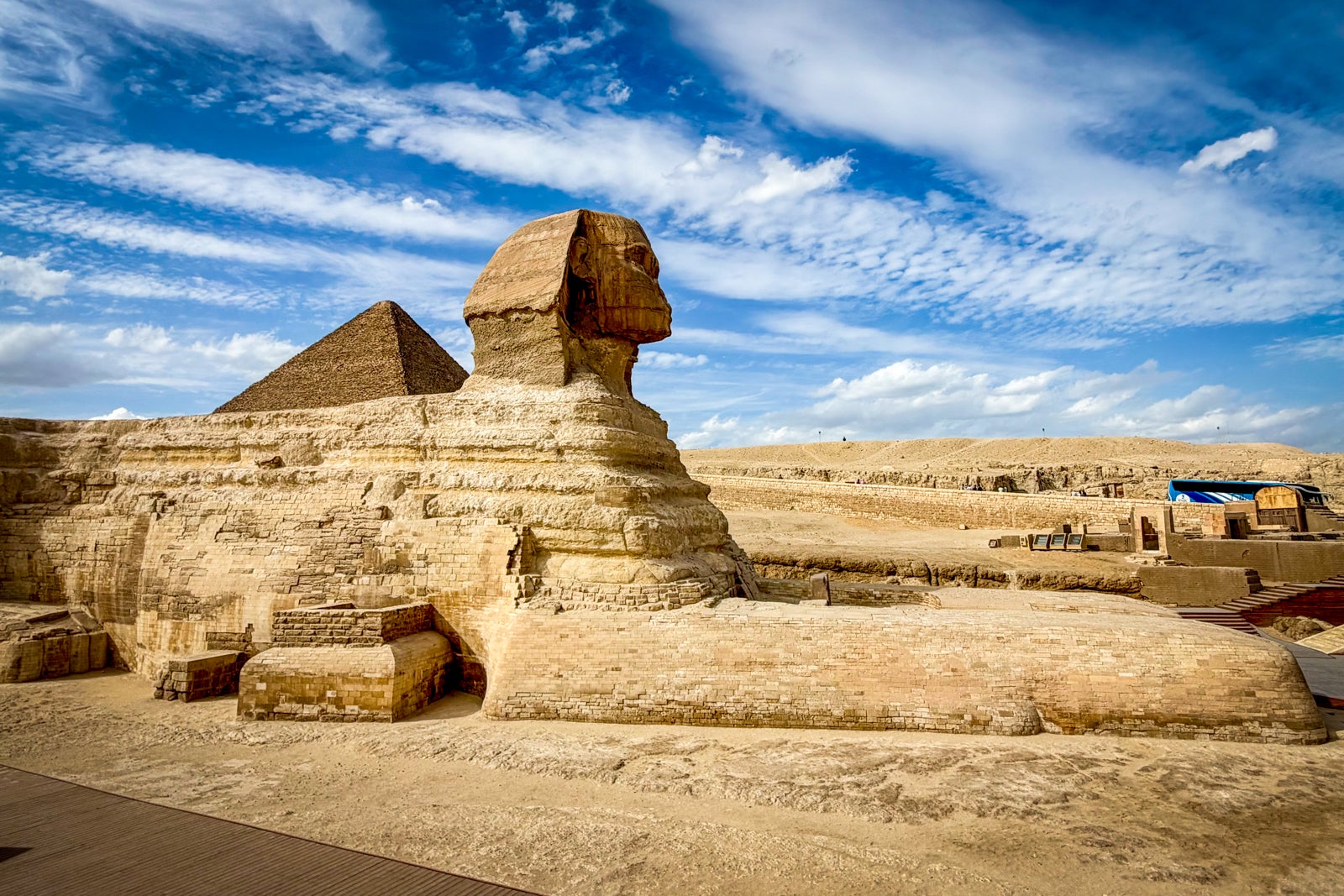
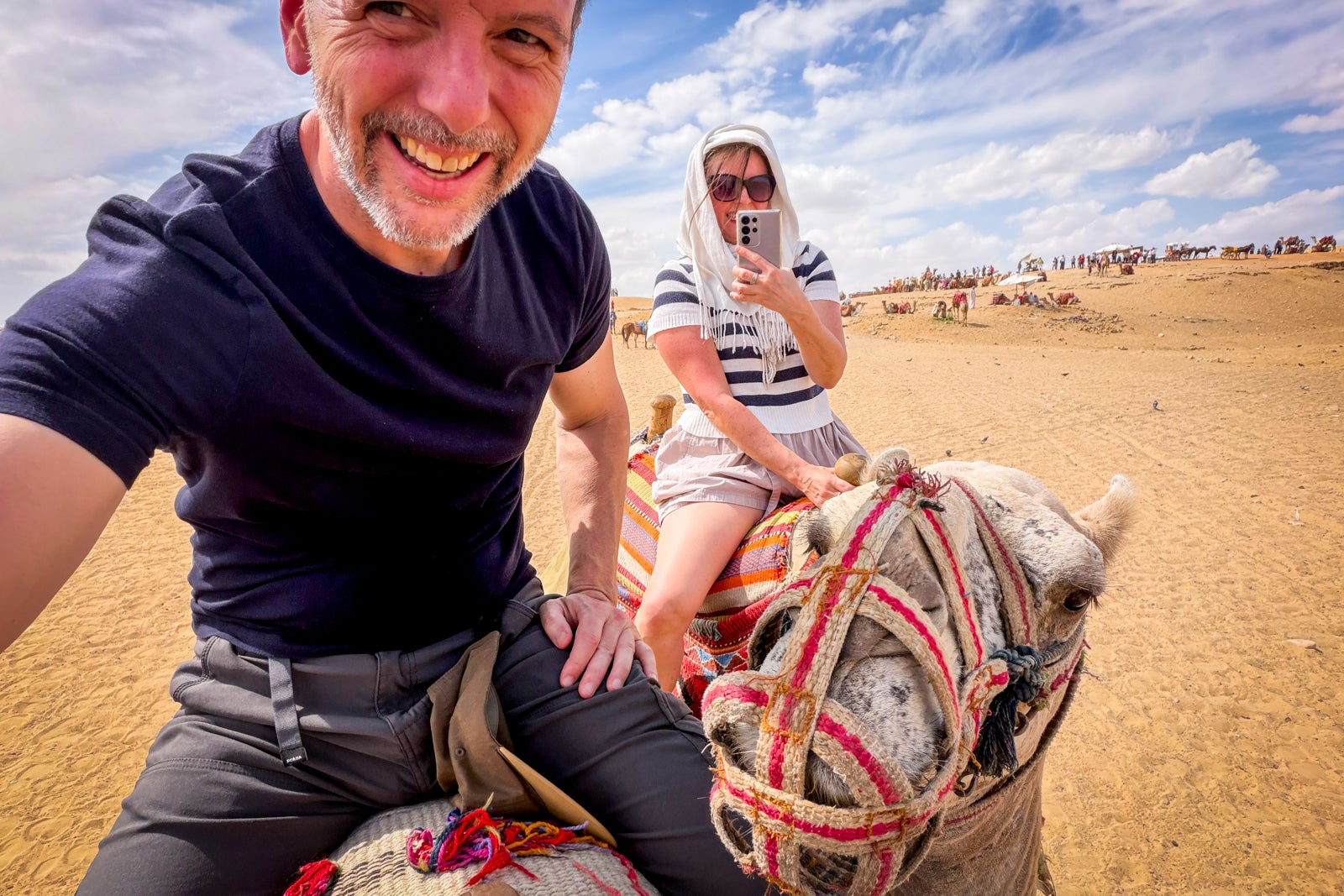
The next day, Zohny, an expert "Egyptologist" who will be our guide for the entire trip, brings us to the even bigger (and more famous) Pyramids of Giza and the nearby Great Sphinx, which also are just outside of Cairo.
Built about a century after the Step Pyramid of Djoser, the Giza pyramids mark the peak of pyramid building in Egypt and are truly a sight to behold.
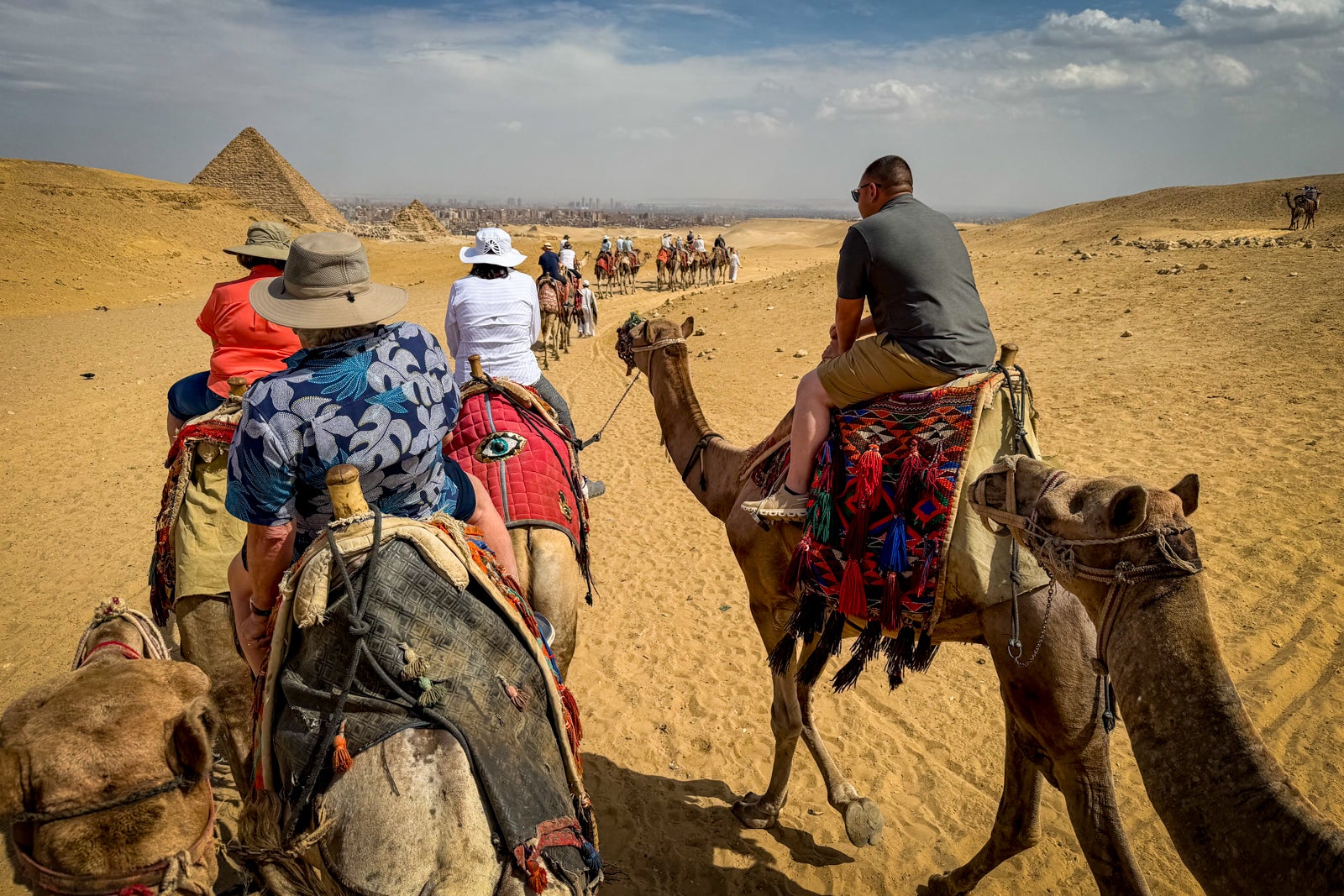
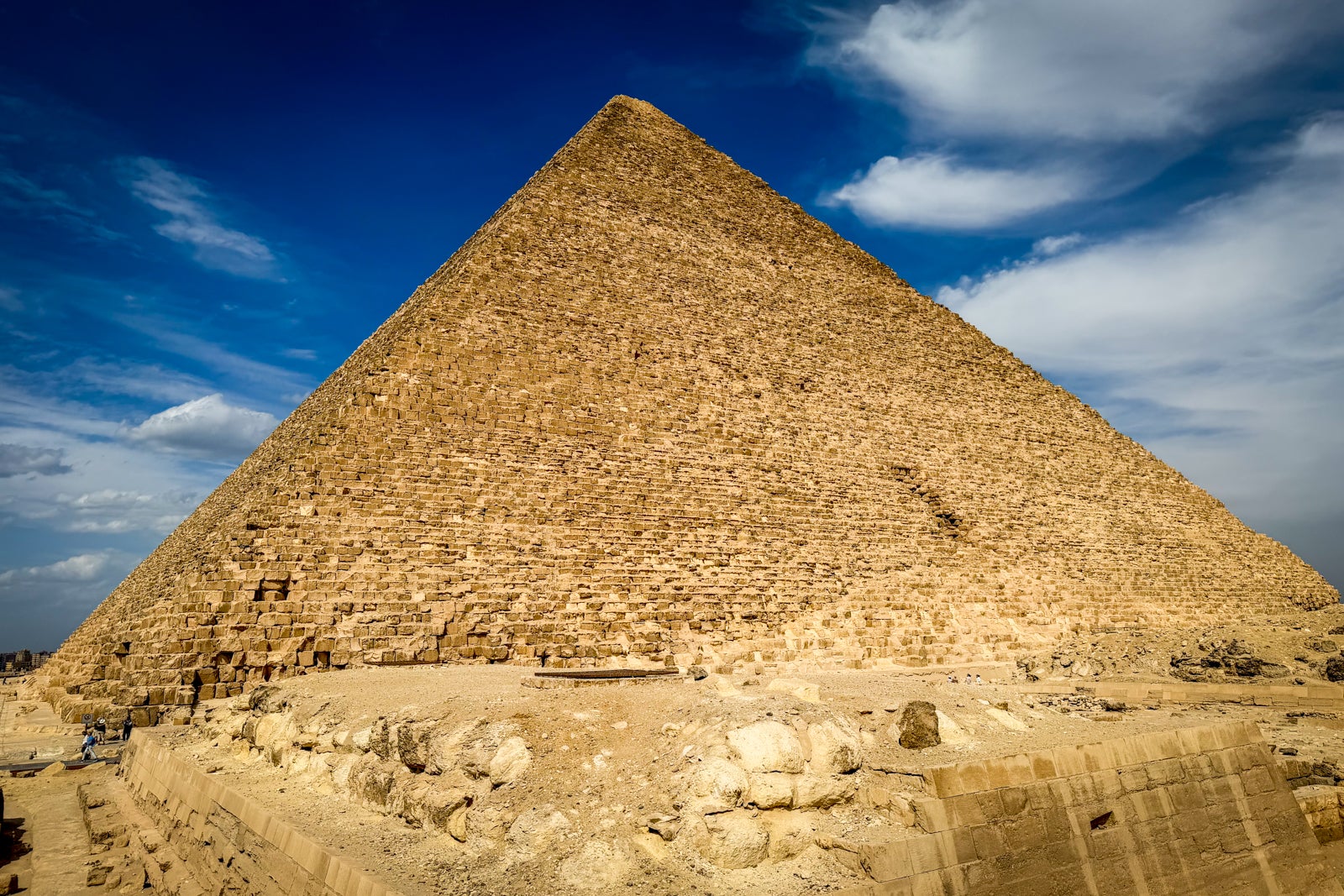
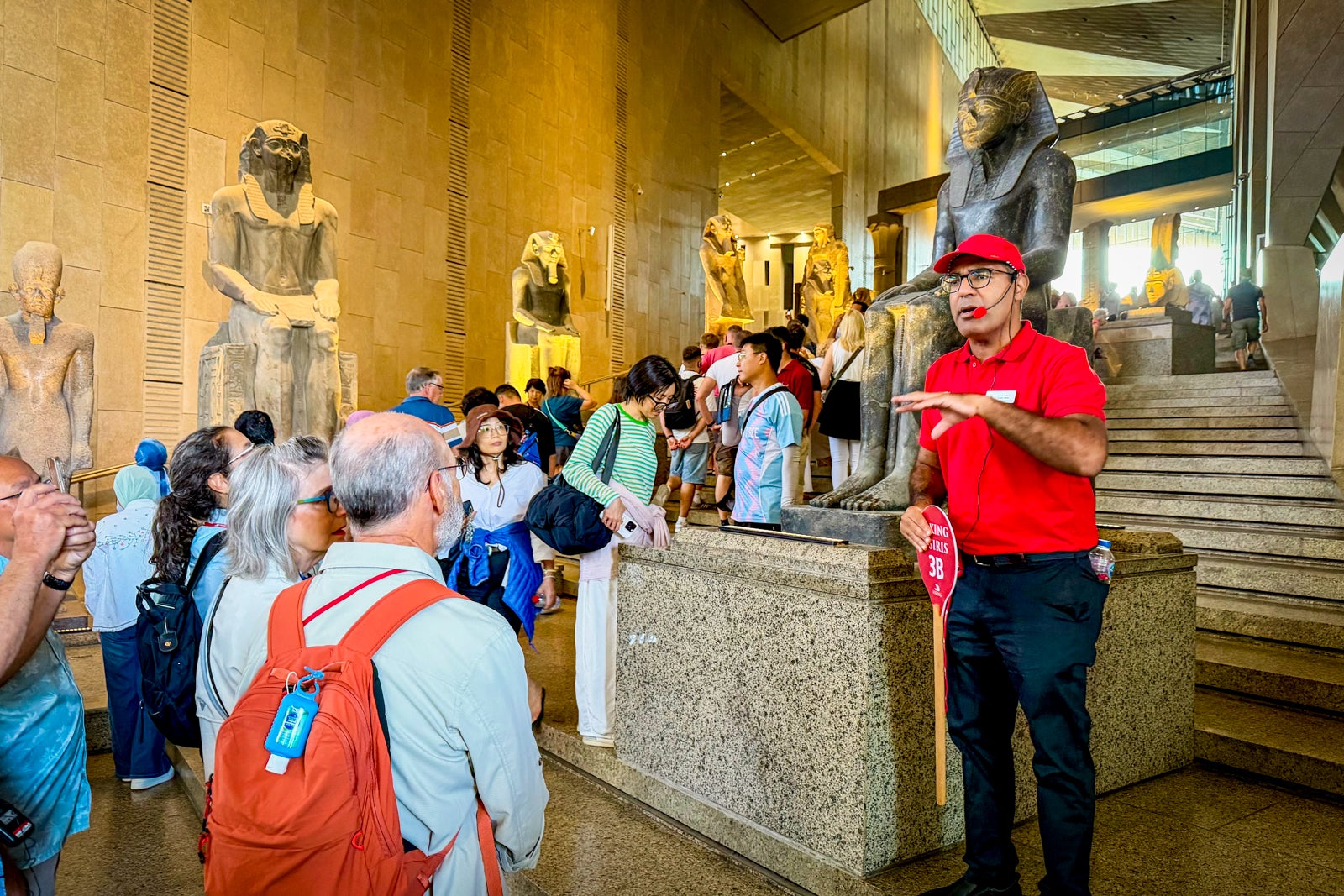
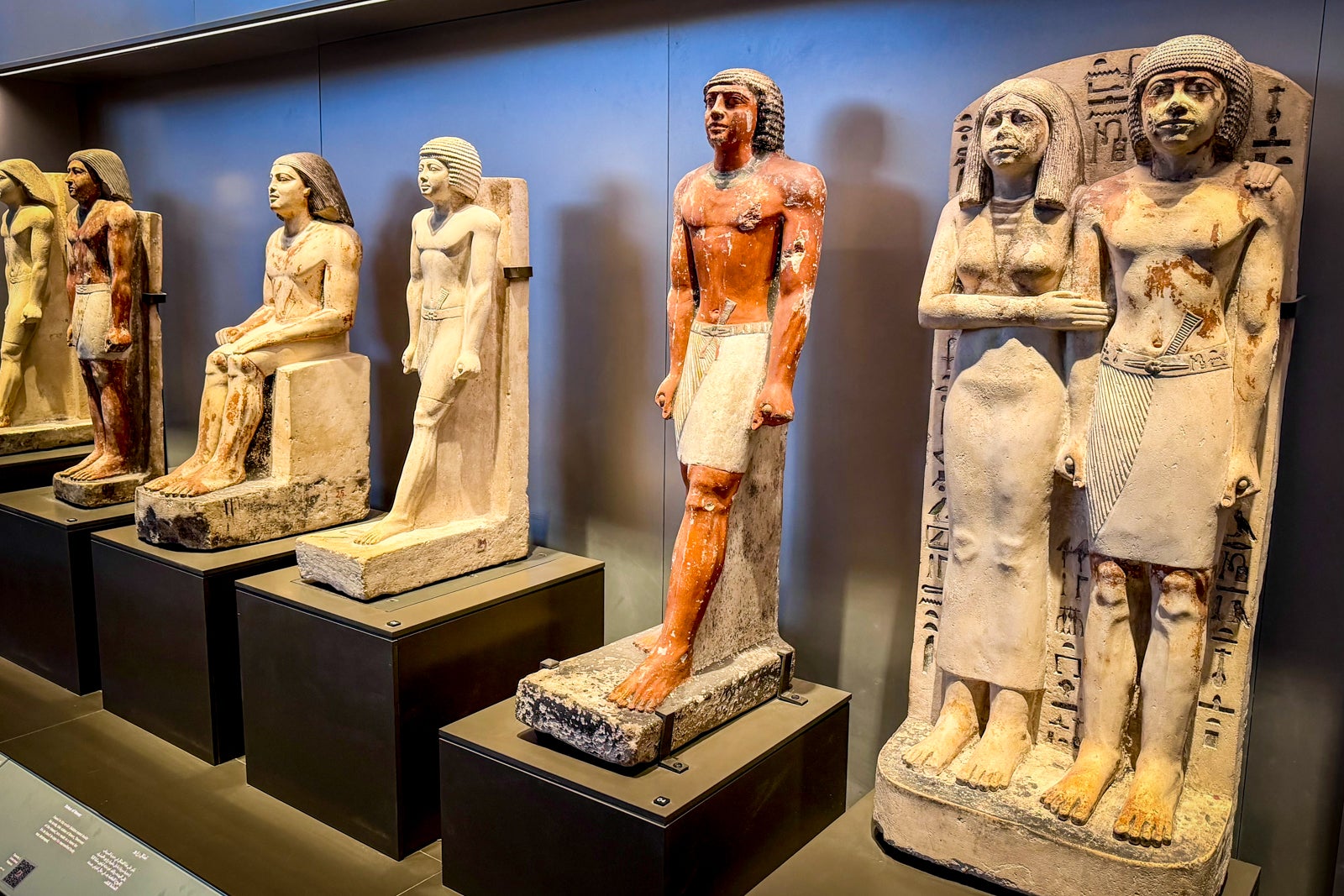
In between visiting these massive structures, we are treated to a full morning of exploring the new Grand Egyptian Museum, where we marvel at the gilded treasures recovered from the pharaoh Tutankhamun's tomb just a century ago. We also visit Cairo's alabaster-clad Mosque of Muhammad Ali.
It is a whirlwind two days that prepare us for the equally stunning sites from the more recent New Kingdom, Ptolemaic and Roman periods of ancient Egypt that we will see while sailing the Nile on Viking Osiris.
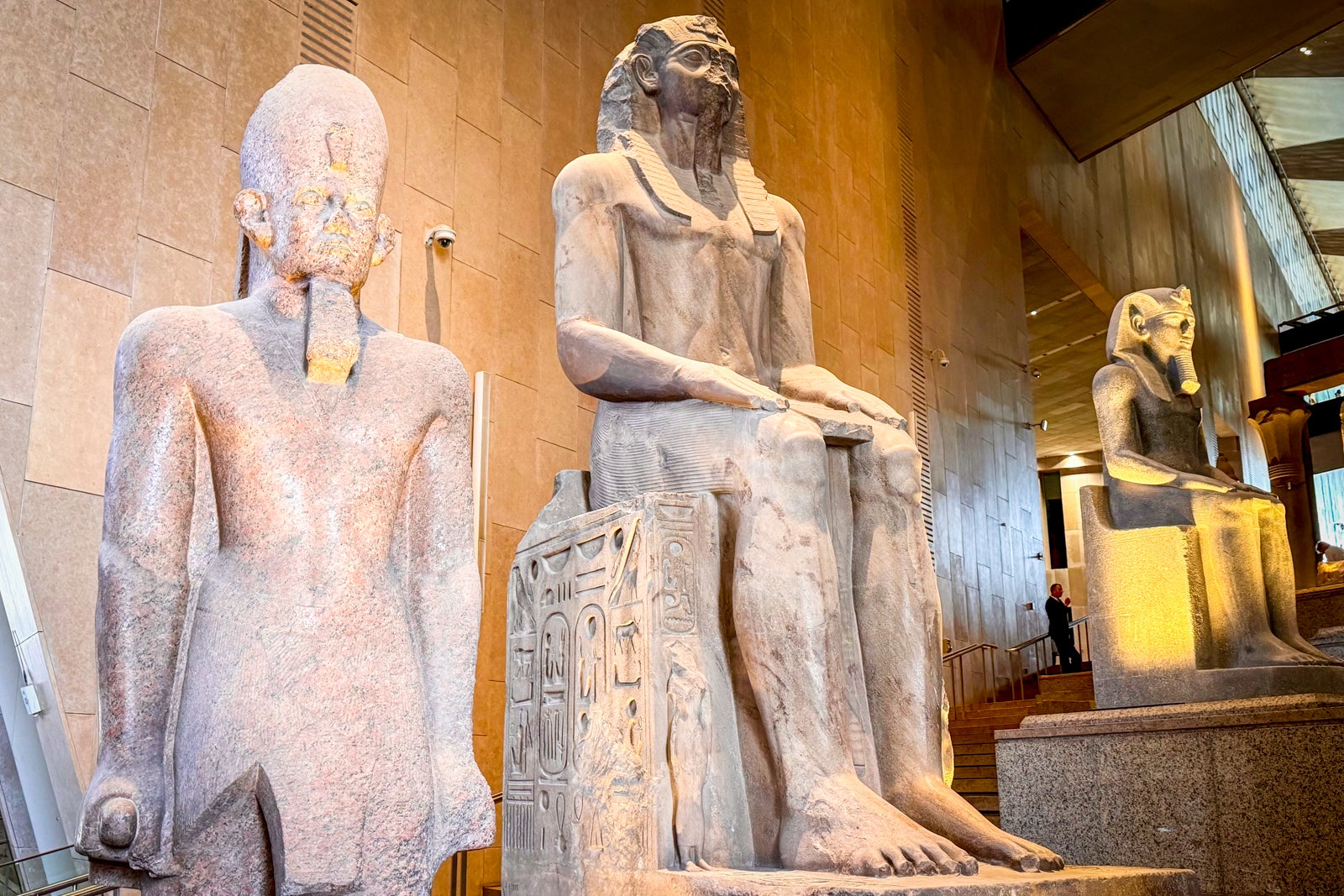
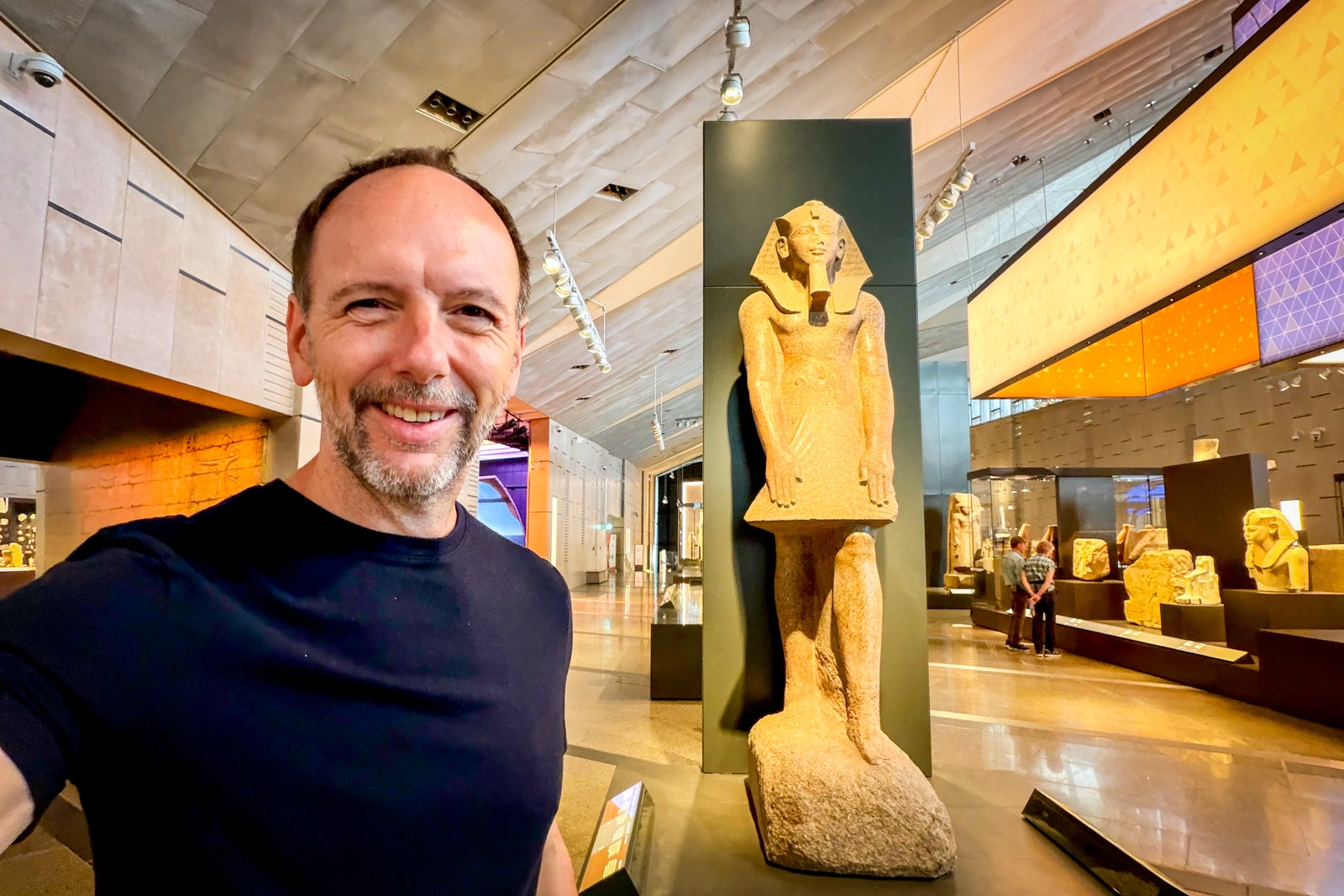
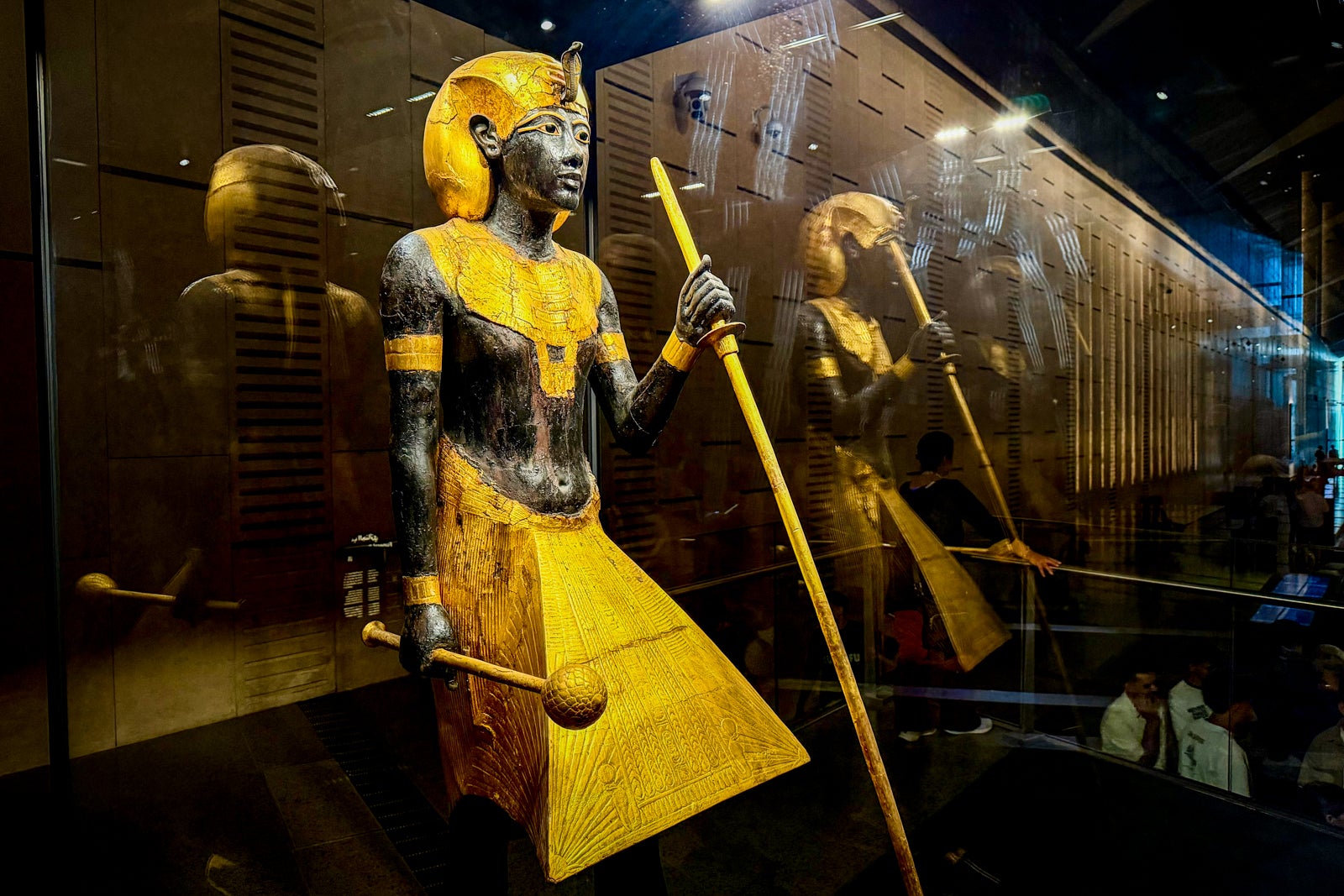
But first, we must get to the ship. Like most of the vessels that sail the Nile, Viking Osiris is based in Luxor, hundreds of miles south of Cairo — the center of ancient Egypt, which began around 4,100 years ago (when it was called Thebes).
After checking out of the Fairmont, we fly as a group to Luxor on a charter flight.
Cruising through history
To sail the Nile on Viking Osiris or one of its many sister vessels (at last count, there were eight on the river) is to be on something akin to a greatest hits tour of nearly 2,000 years of iconic Egyptian structures.
Luxor, Qena, Kom Ombo, Edfu. On the ship's weeklong itineraries, these Nile river destinations famous for ancient sites come one after the other, each offering something spectacular that you probably remember from your second-grade history class.
In Luxor, it is the massive Temple of Karnak, with its colossal sandstone columns arranged in neat rows (if you've seen the James Bond vs. Jaws chase scene in the 1977 film "The Spy Who Loved Me," you know what I'm talking about).
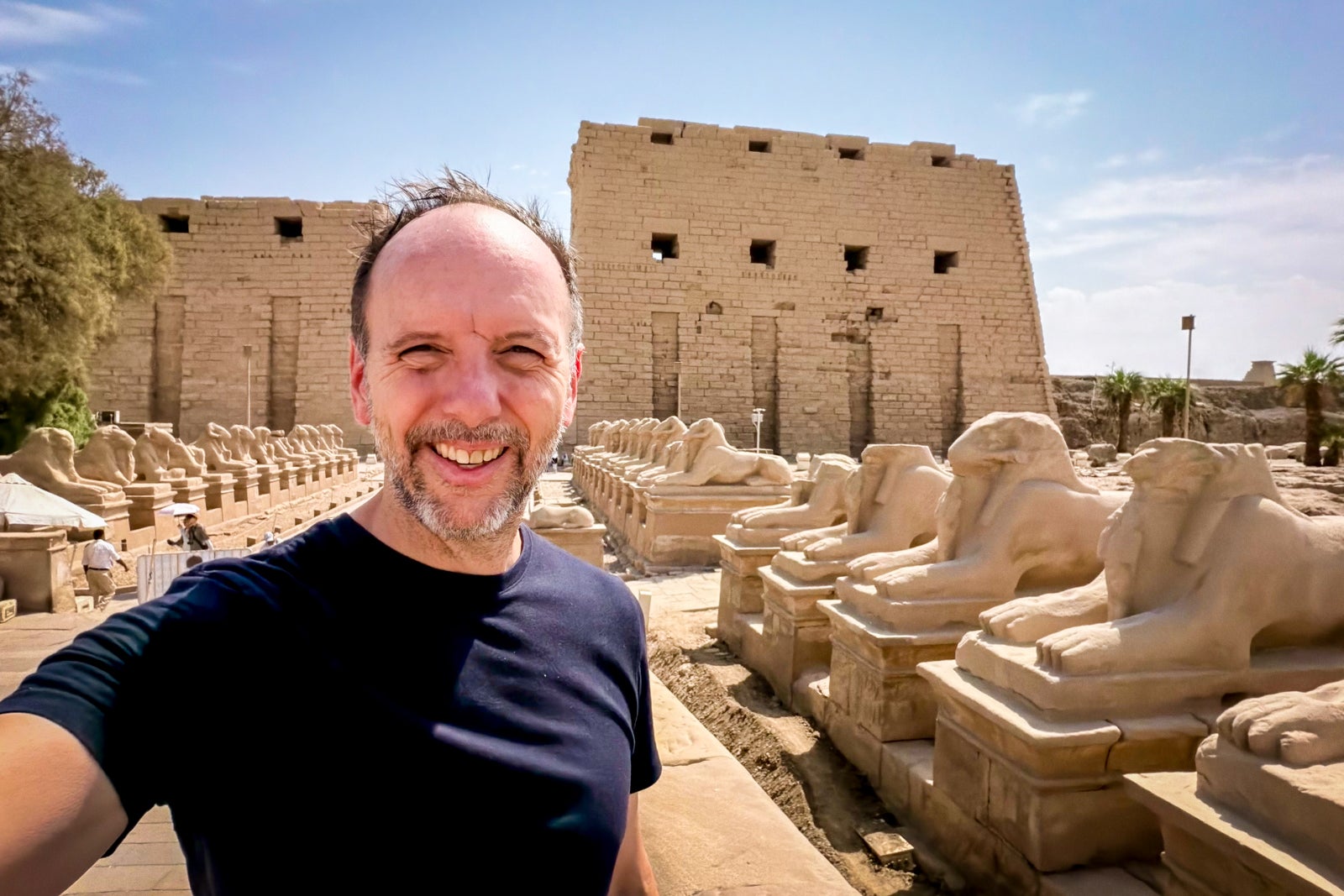
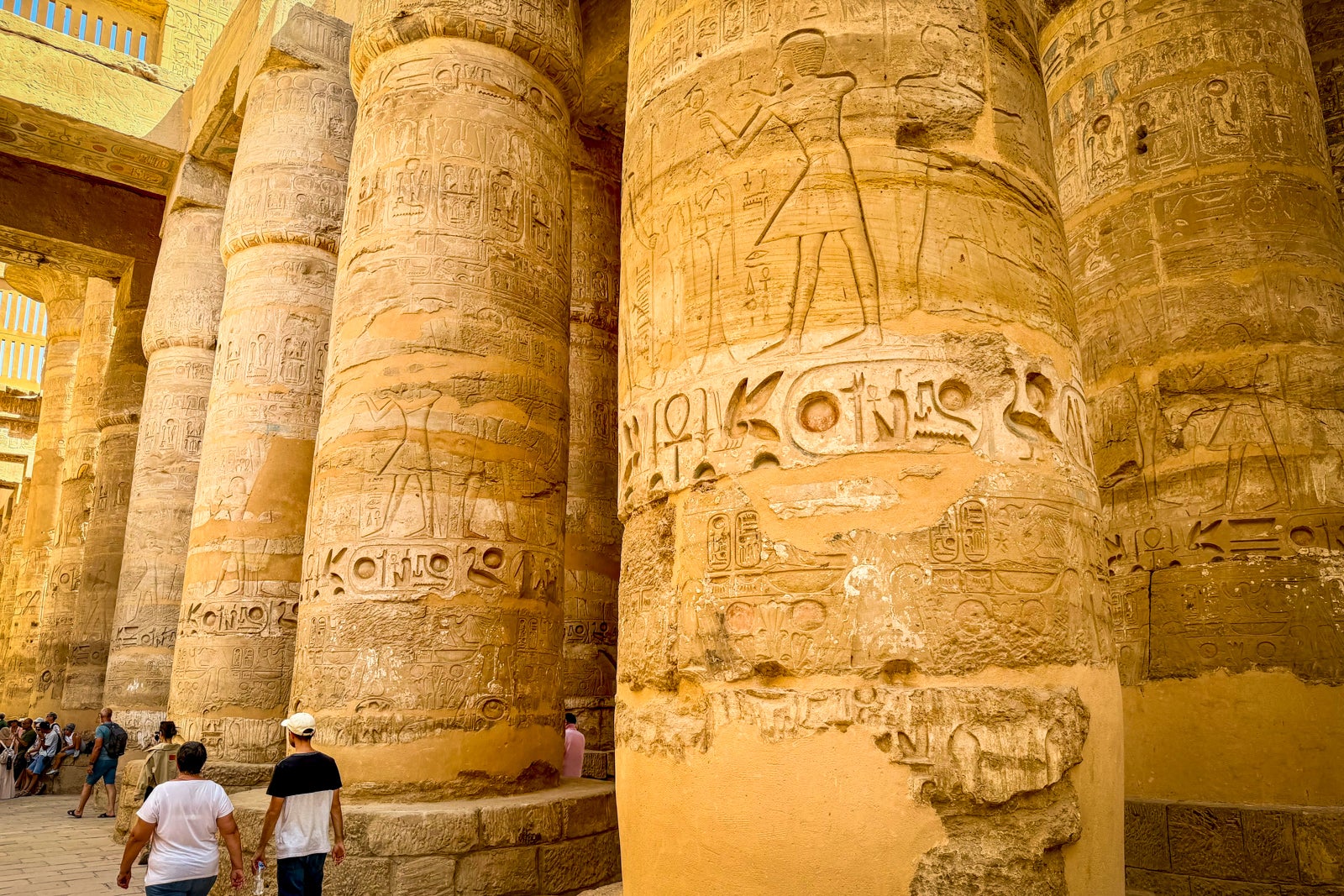
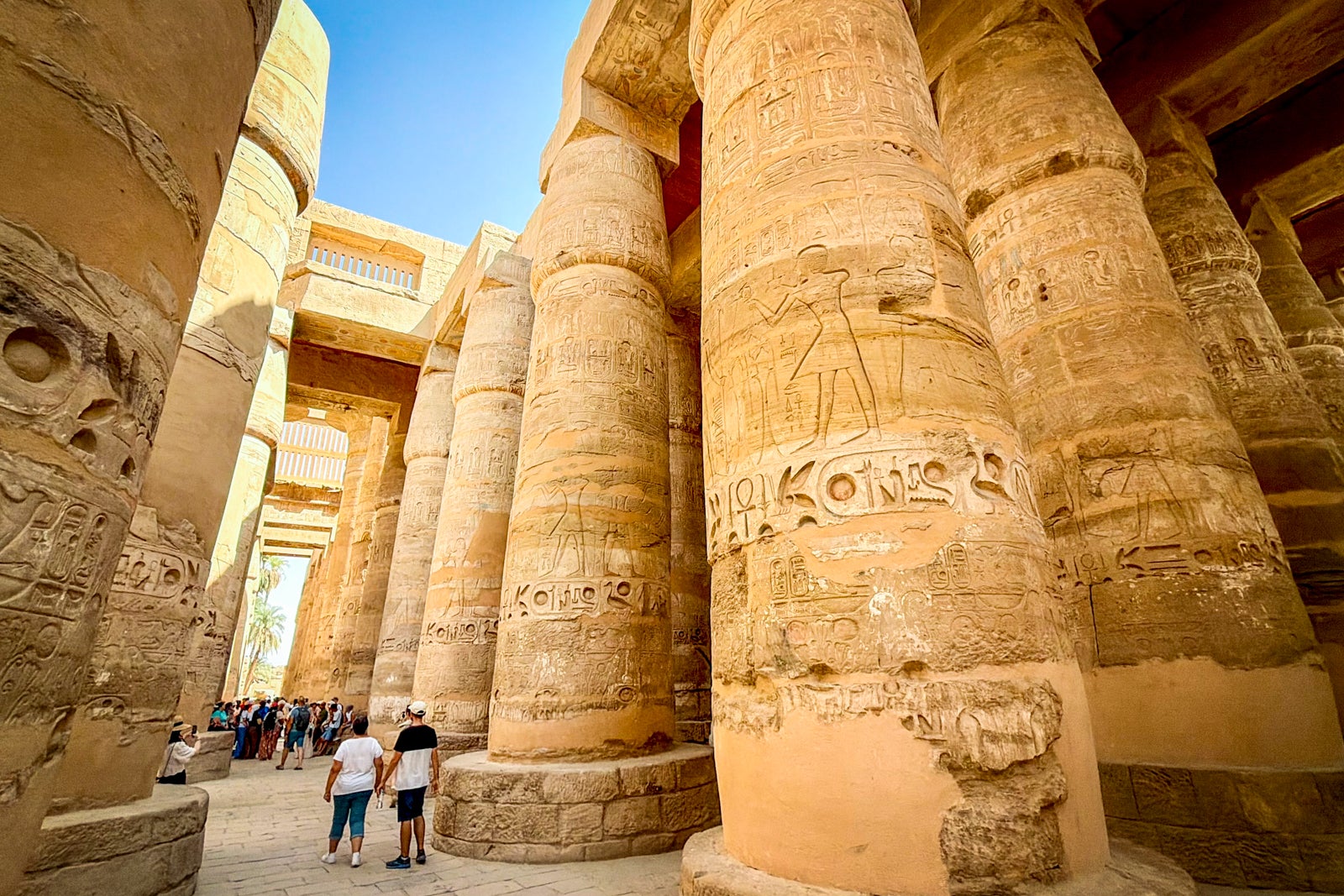
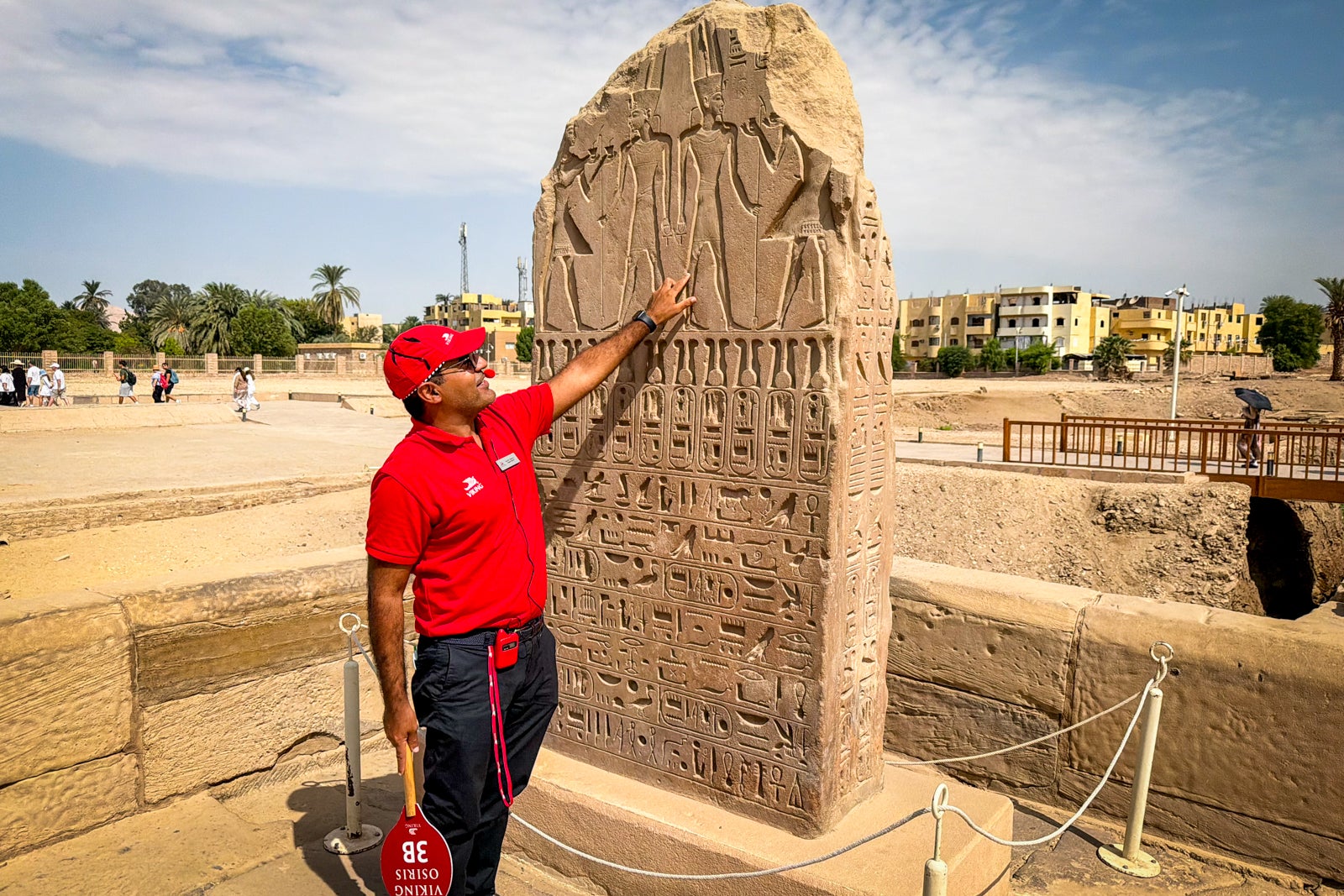
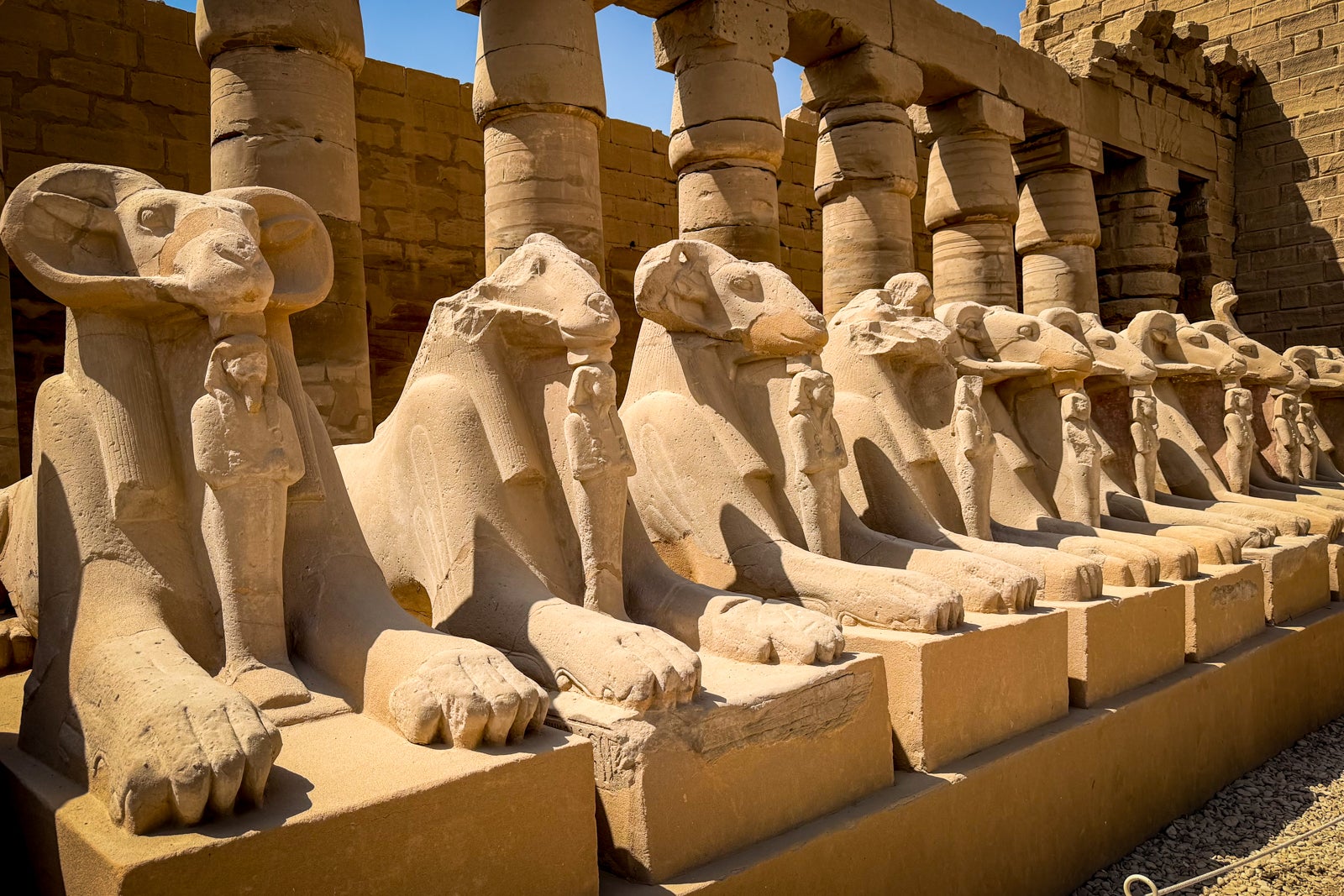
In Qena, it is the impressive Temple of Hathor, which is part of an even bigger archeological site known as the Dendera Temple Complex.
In Kom Ombo, it is the equally impressive temple of the same name, built during the Greco-Roman period and featuring reliefs of the Roman emperors Tiberius and Domitian.
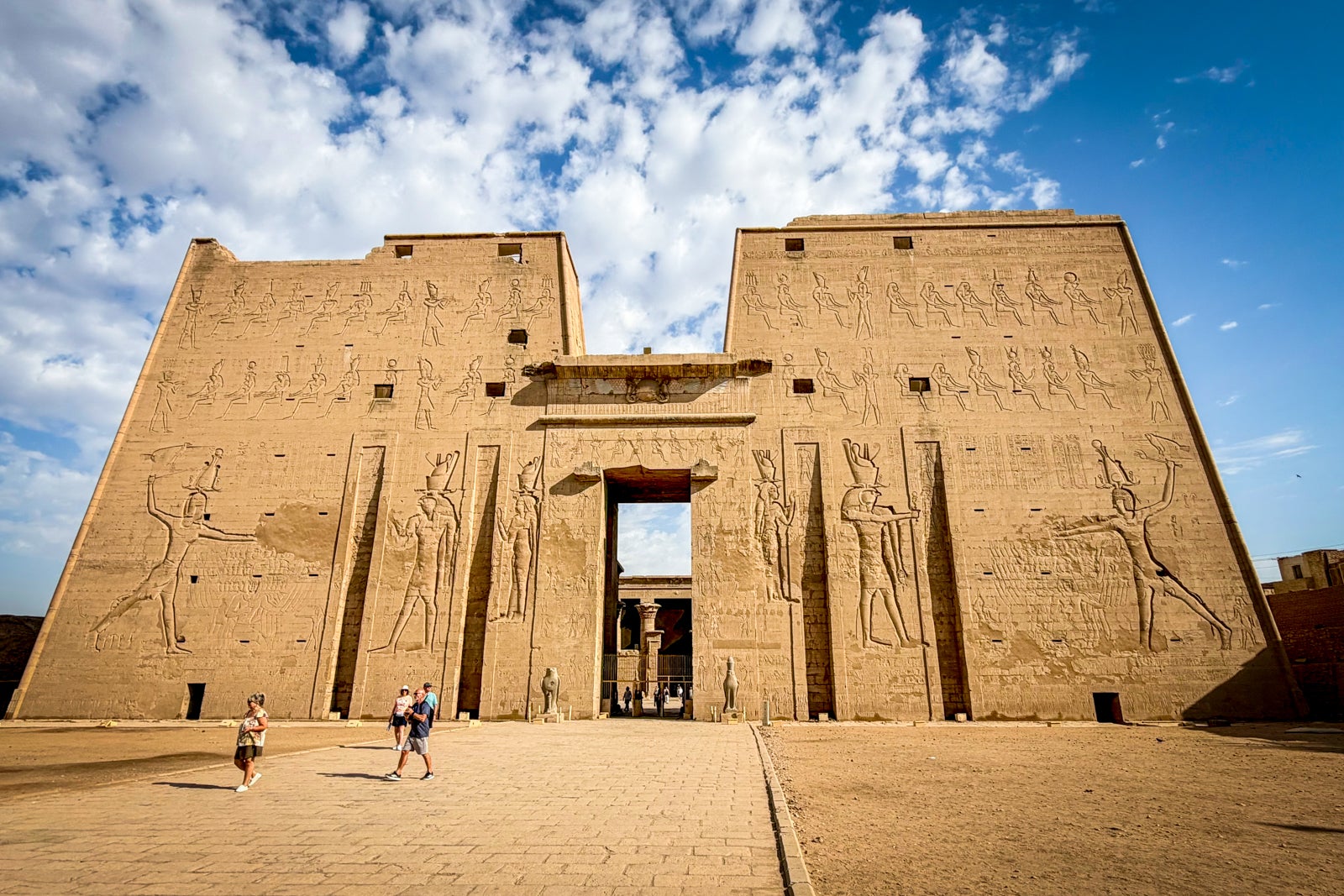
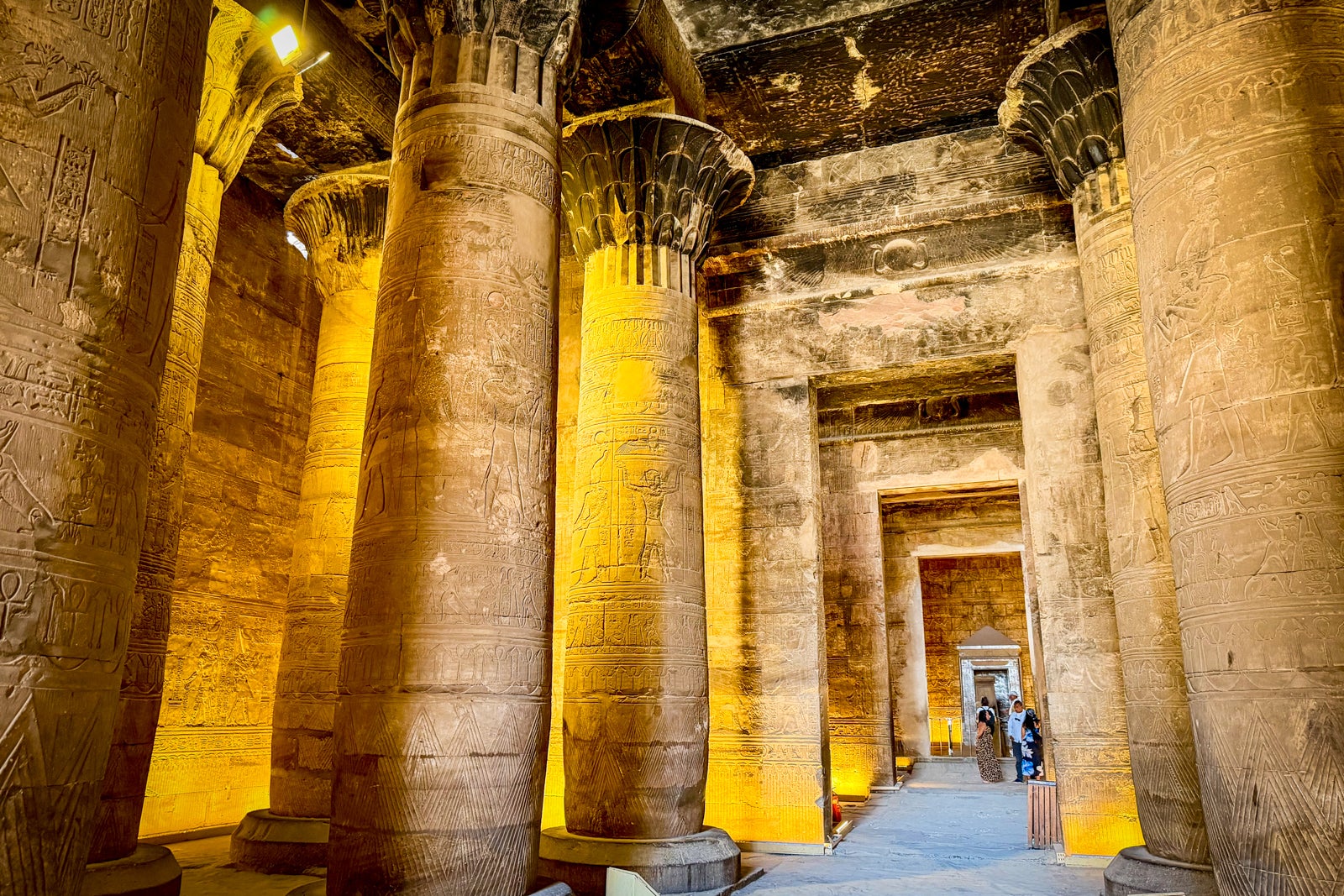
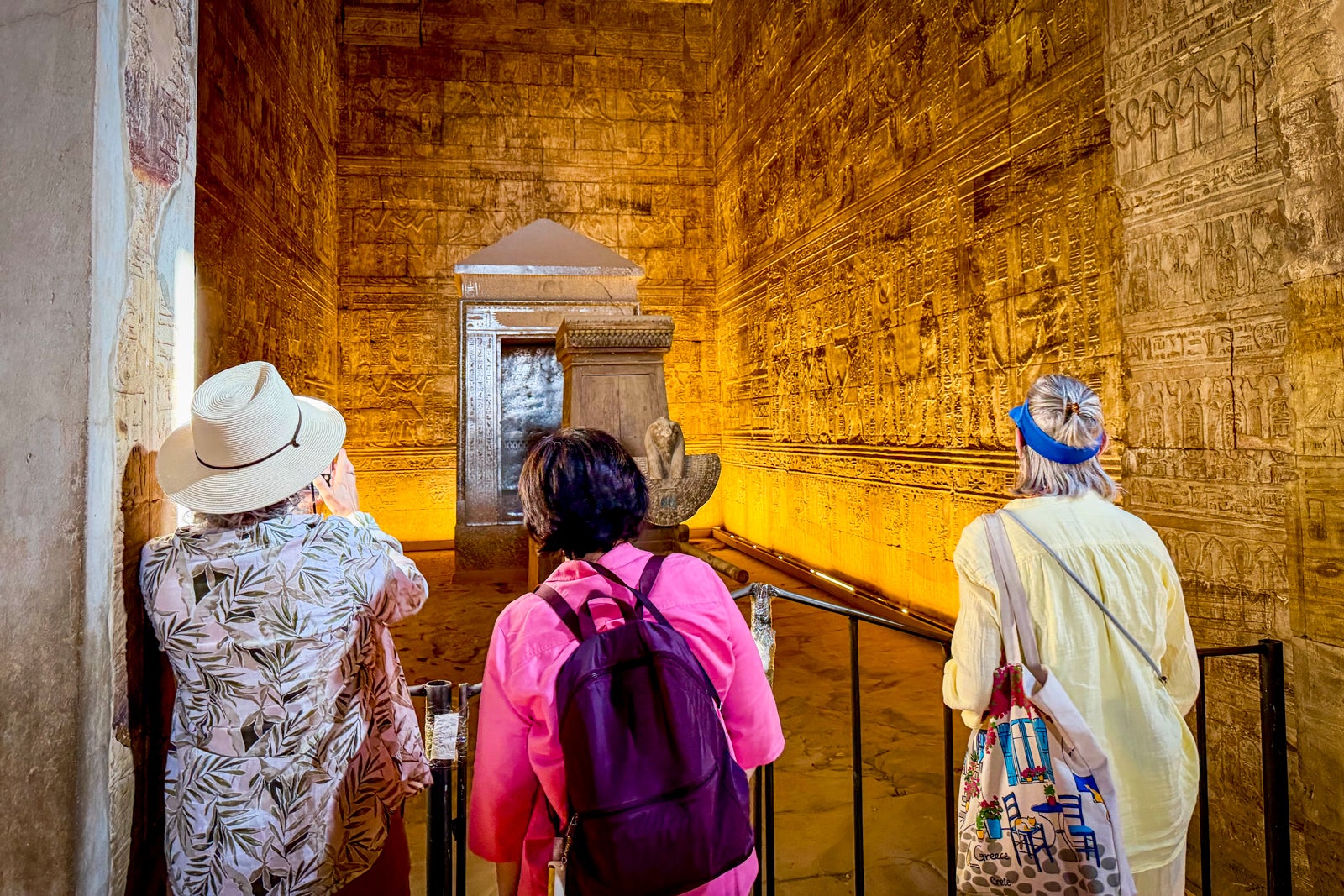
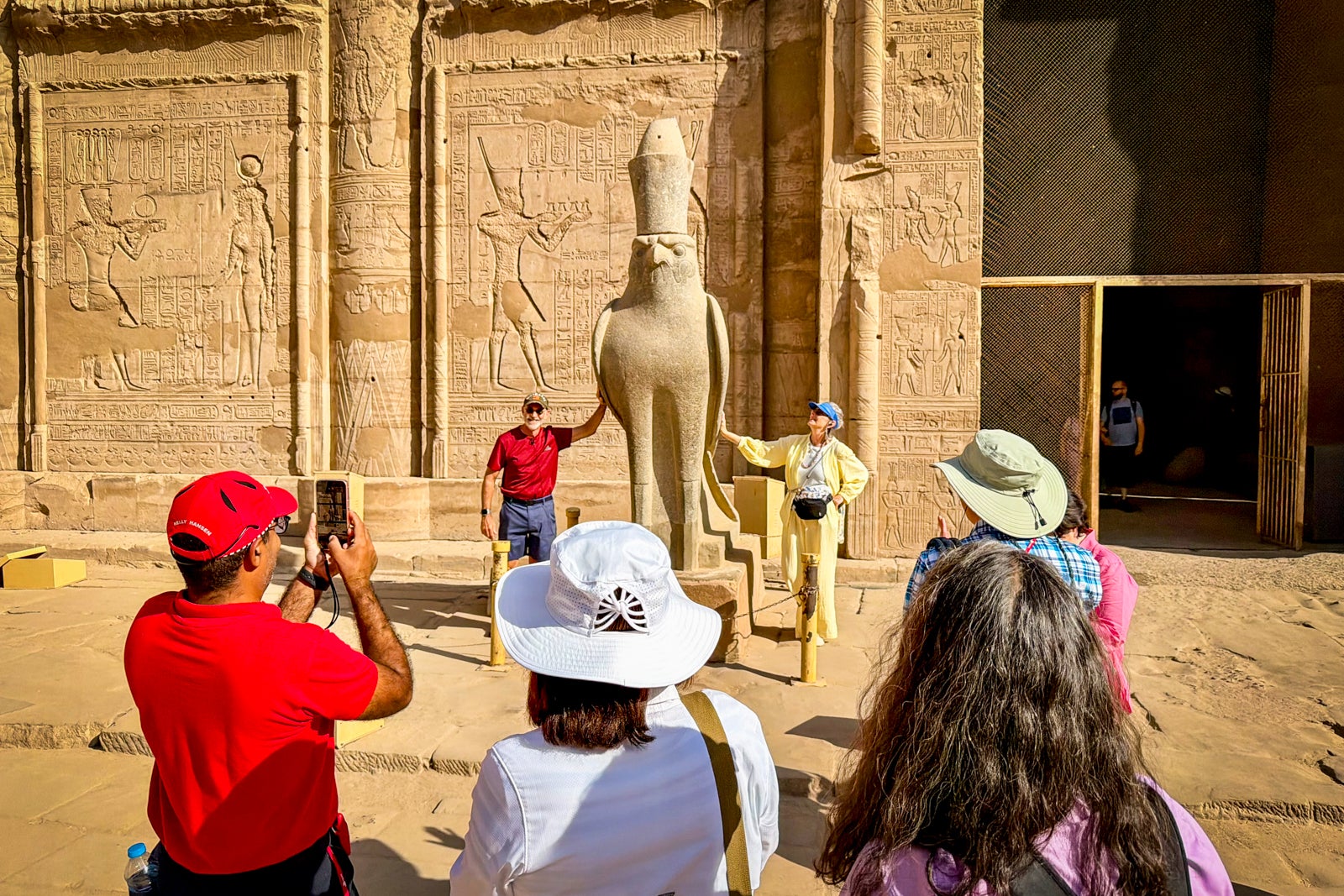
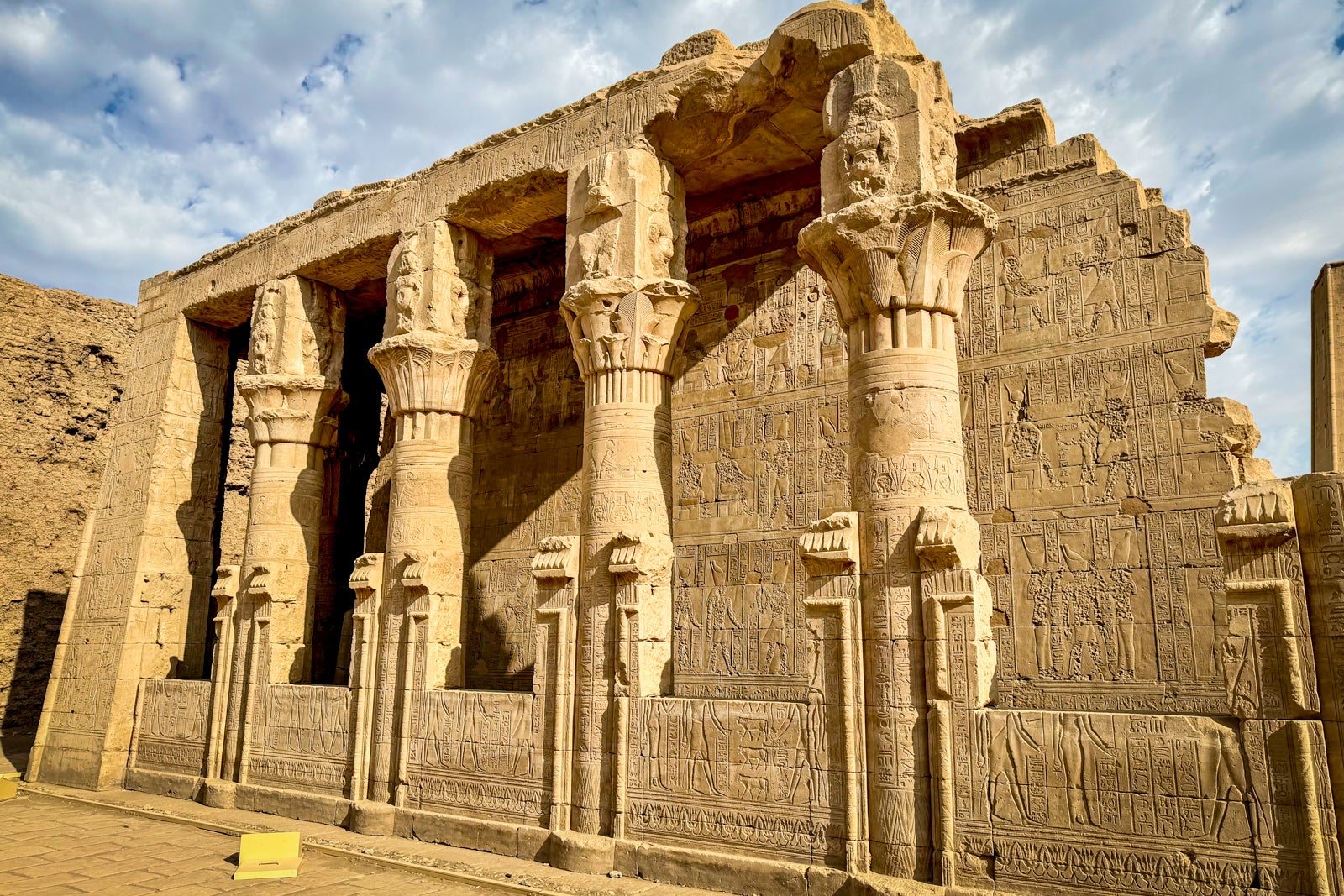
Then there's Edfu, home to the long-buried-in-sand Temple of Horus. Lost to time until a French archeologist began digging it out 166 years ago, it is almost completely intact, with its hypostyle halls and inner sanctuary looking much as they did 2,000 years ago.
Some of these destinations that the ship visits are gateways to multiple world-class sites. In addition to the Temple of Karnak (where Viking ships have an exclusive dock location), Luxor is our base for an outing to the nearby pharaonic burial grounds, the Valley of the Kings, a highlight of any Egypt tour.
In our case, the visit includes the opportunity to descend into five of the more than 60 tombs found in the valley so far — two more than is typical for many Egypt tours.
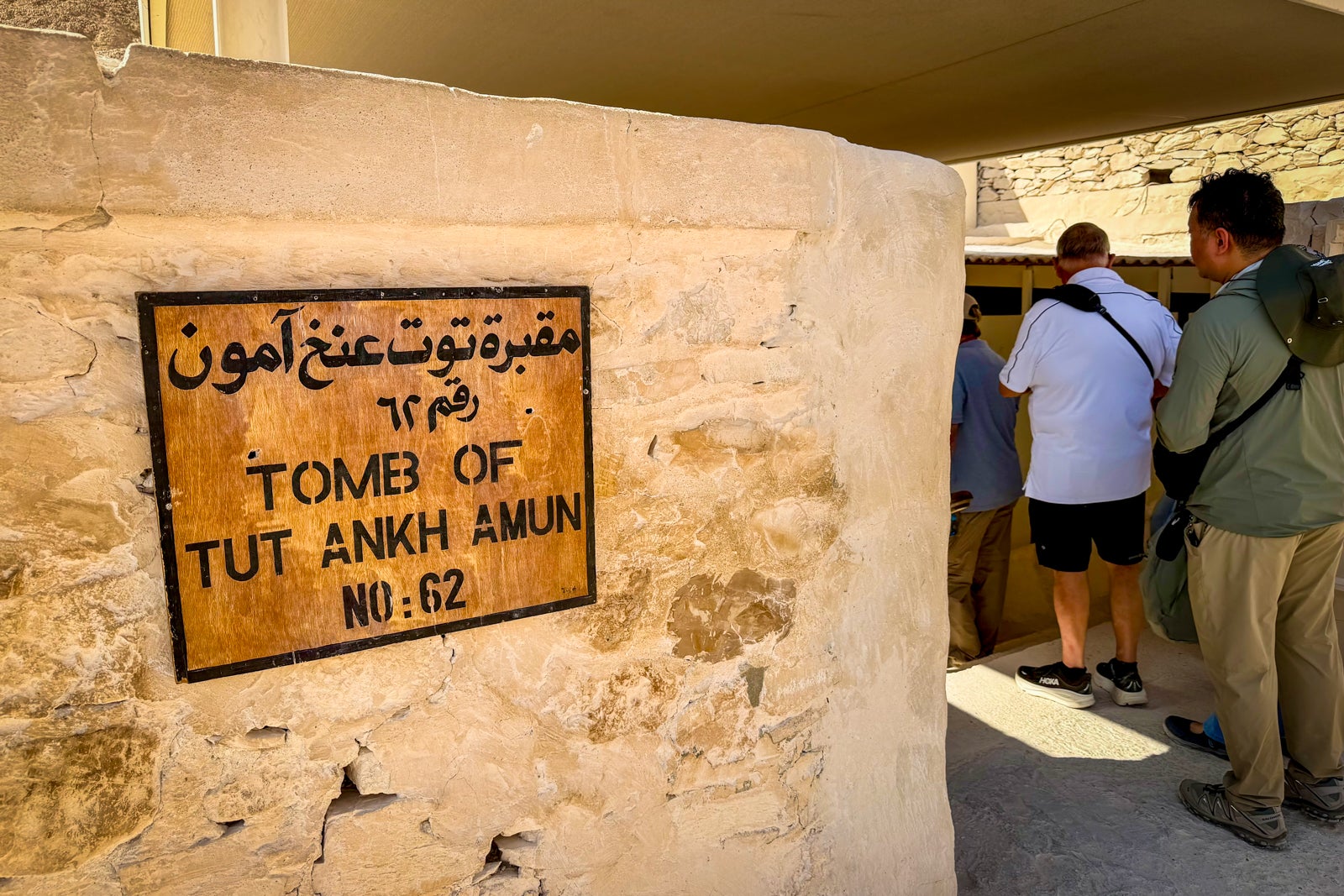
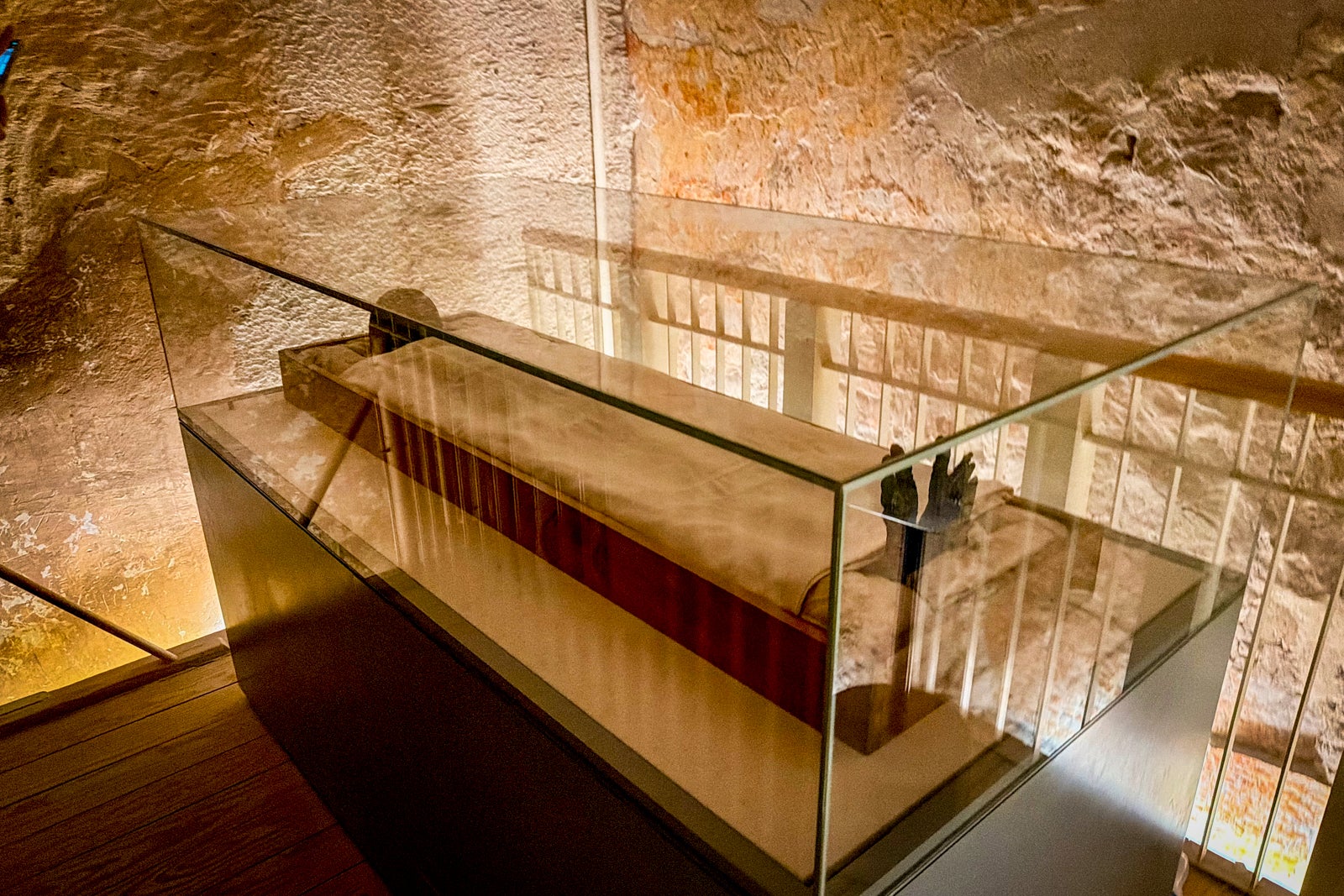
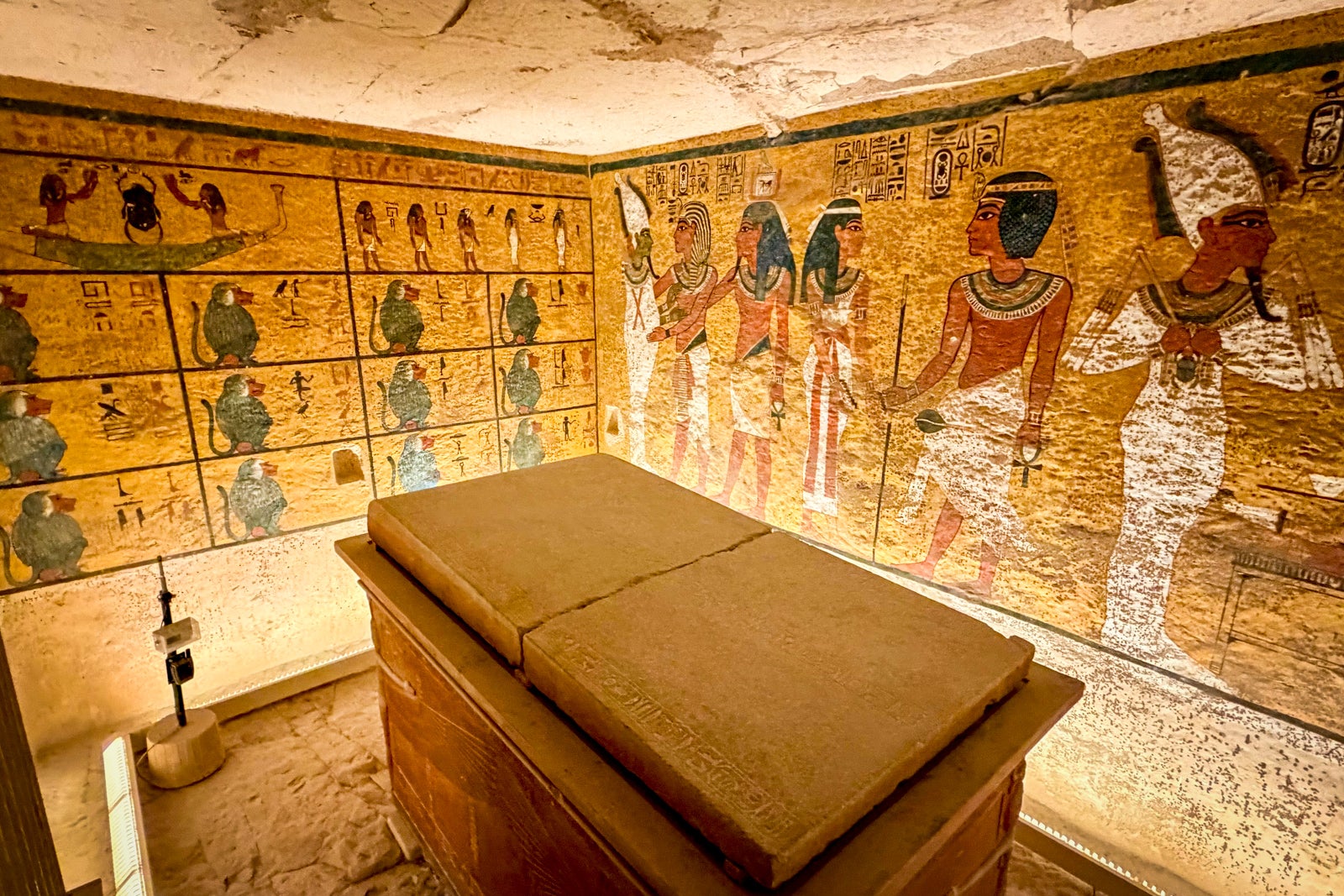
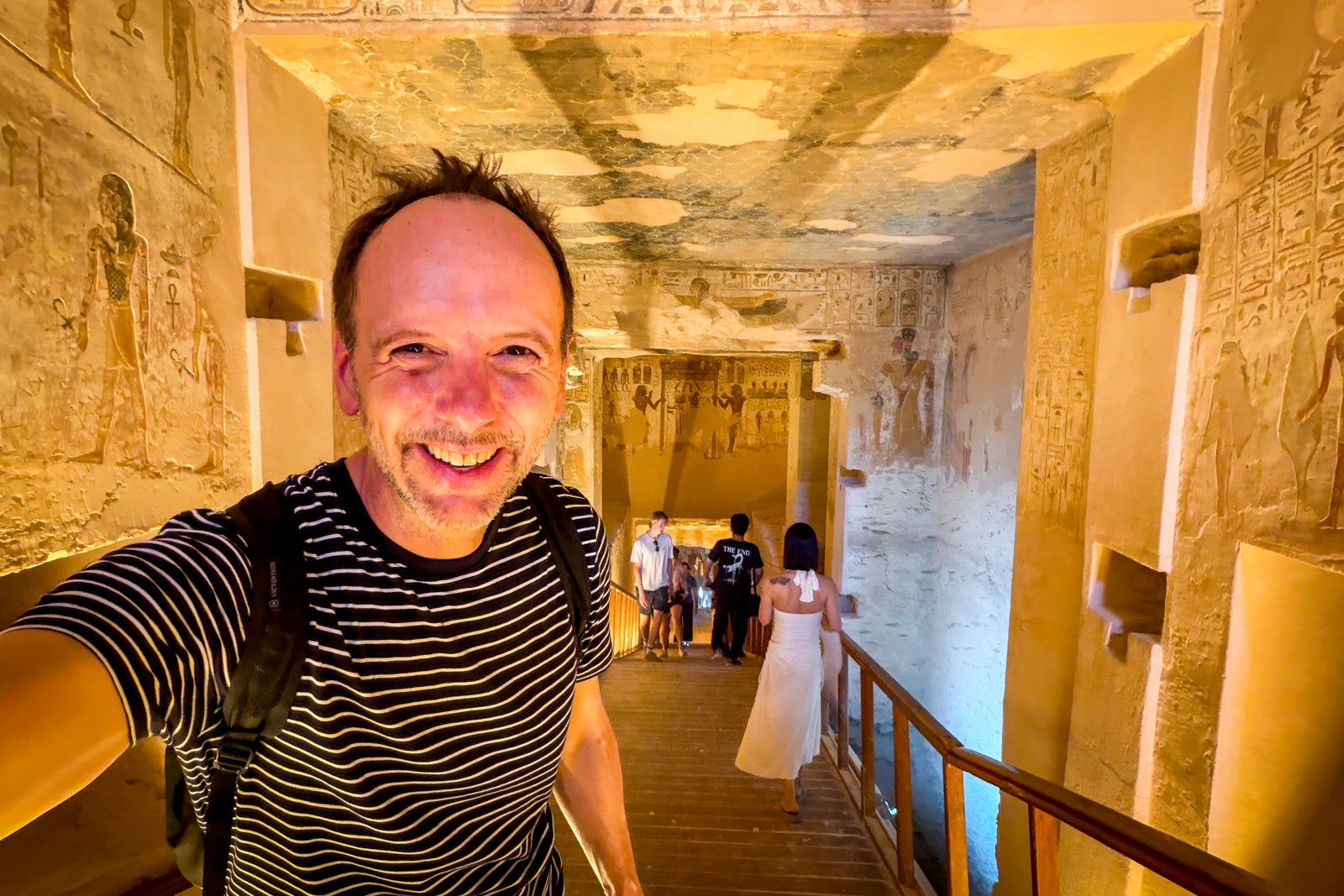
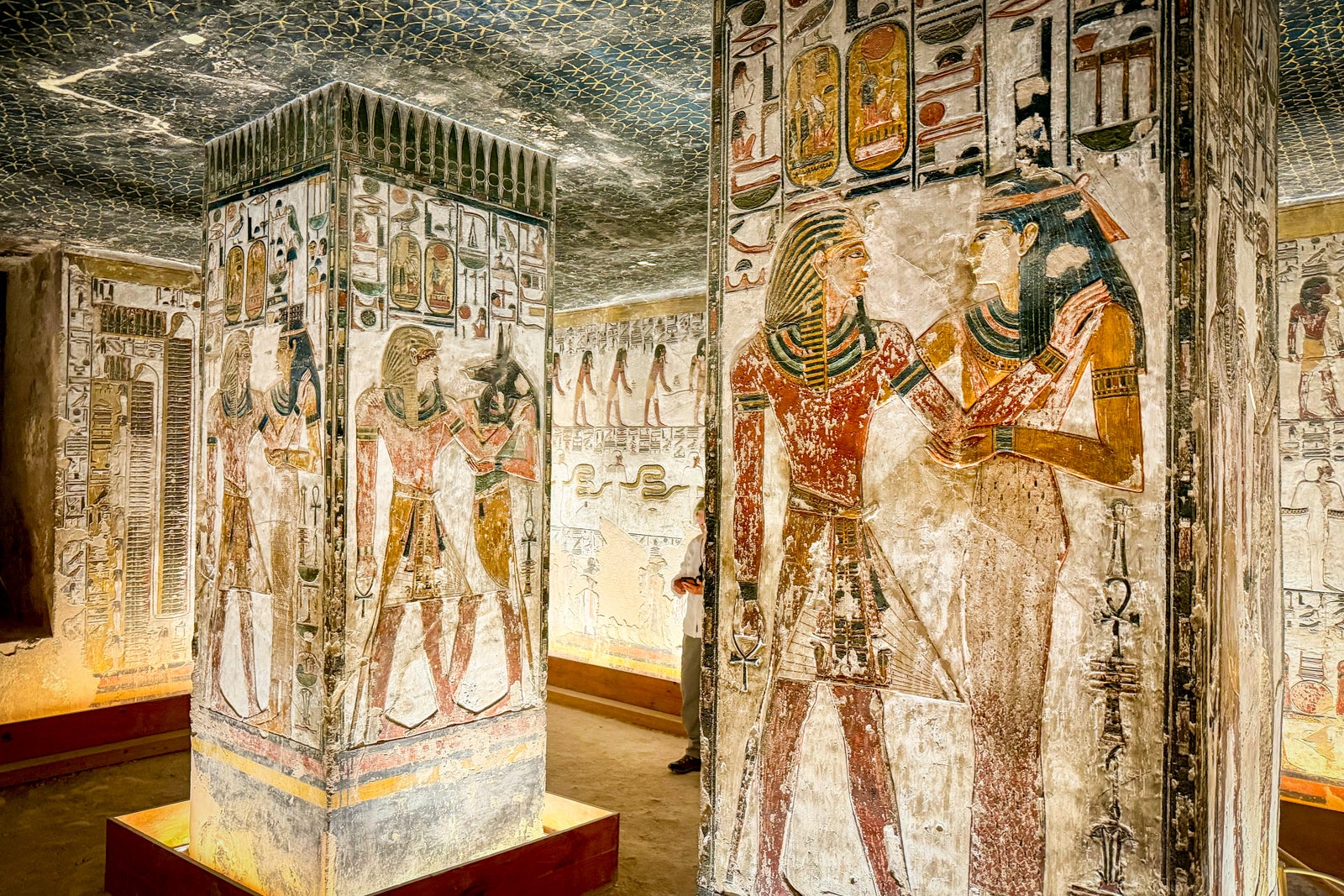
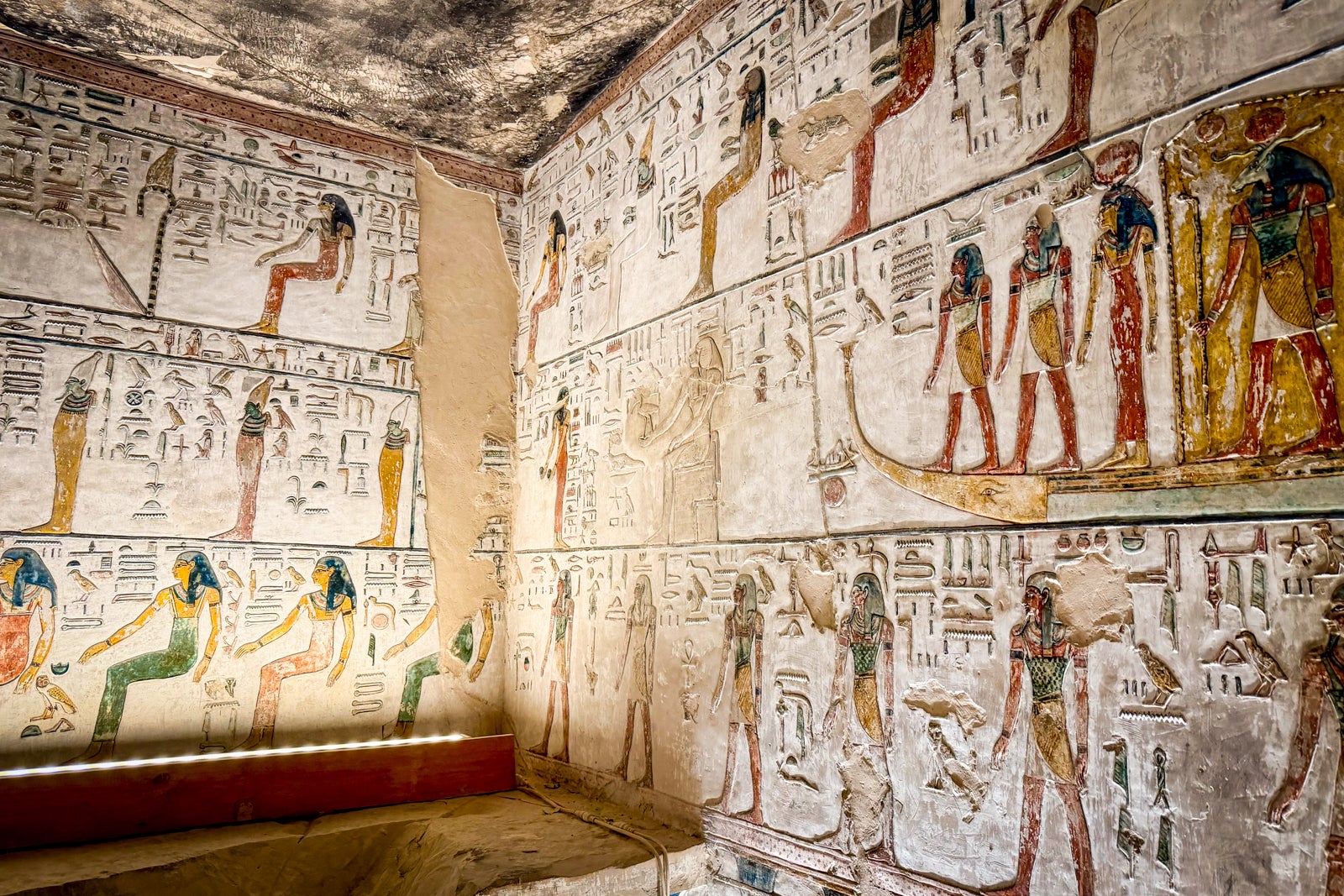
Viking has paid extra to get us access to perhaps the most famous tomb of them all, that of the pharaoh Tutankhamun (King Tut, as we called him when I was a boy), who remains inside the tomb in mummified form, as well as the spectacular (and normally expensive to visit) tomb of Seti I.
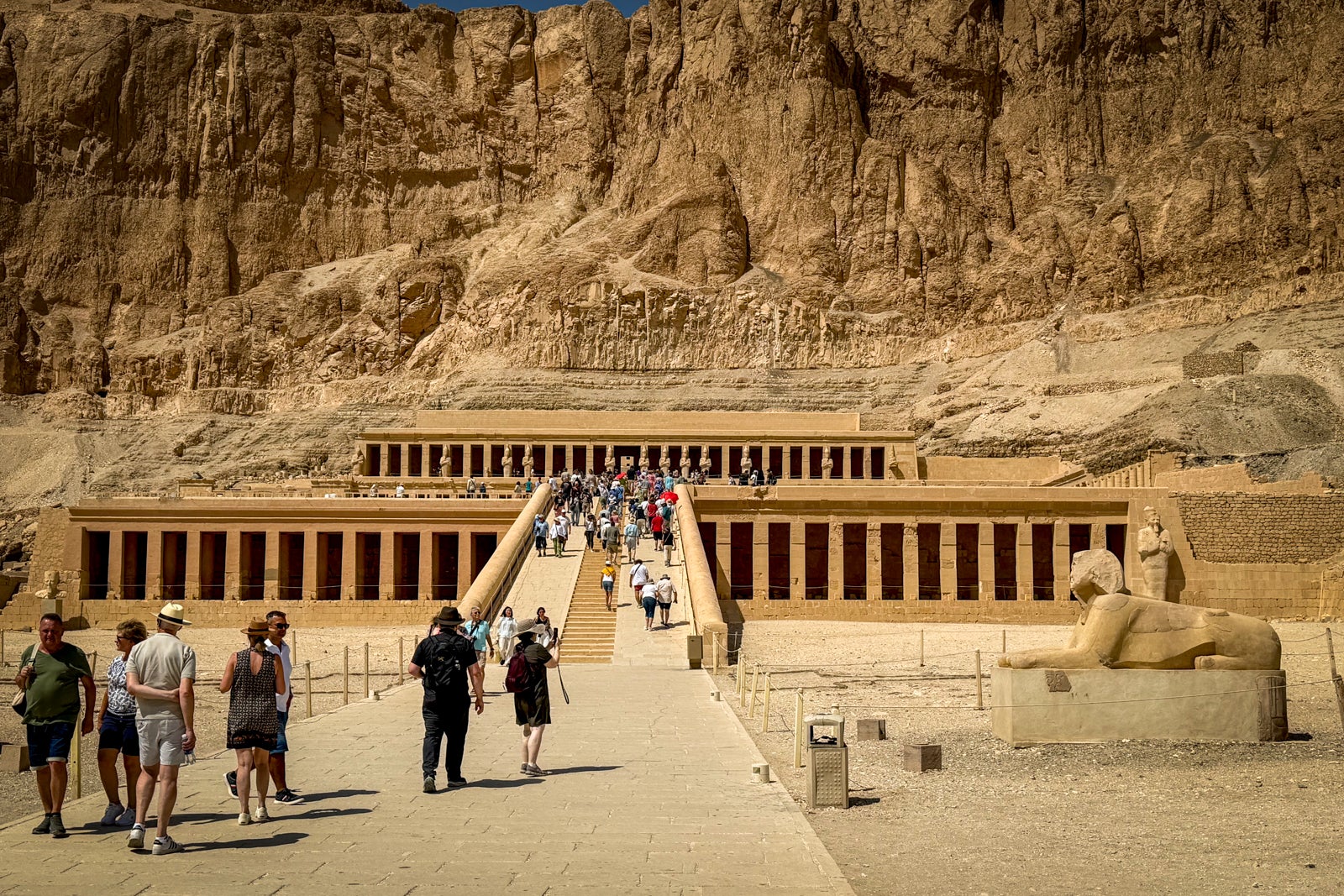
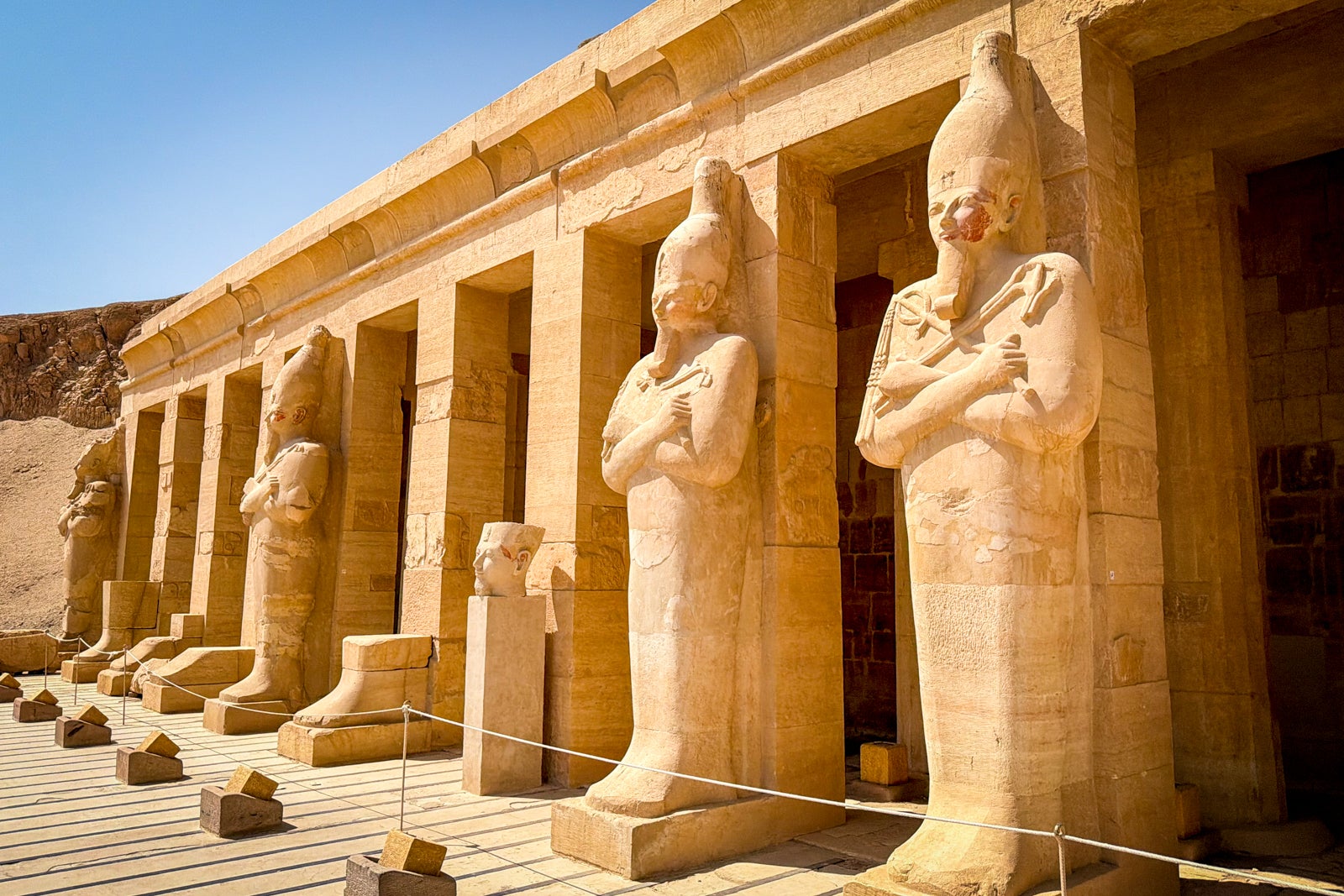
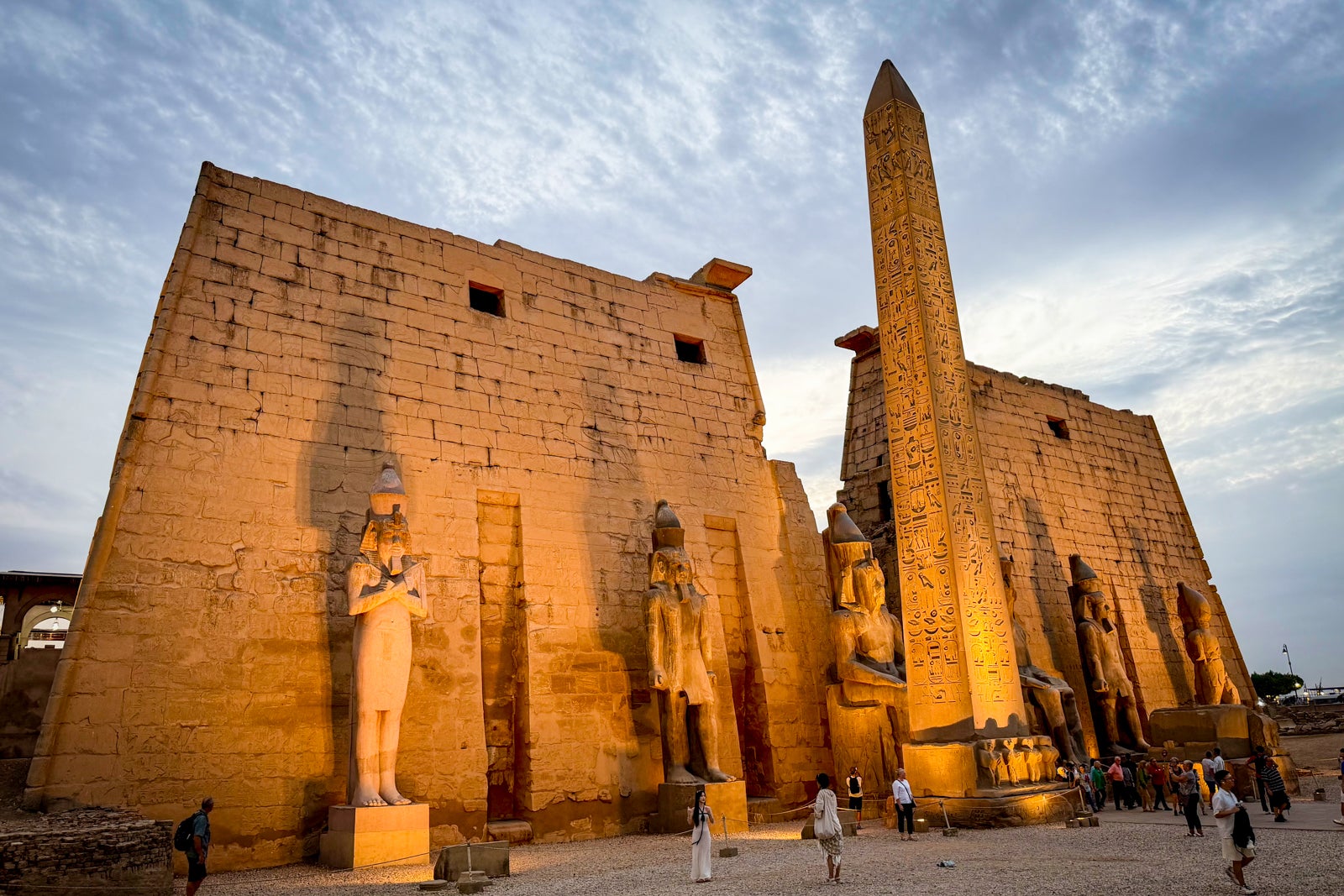
During our stay in Luxor, we also wandered through the Temple of Luxor and the terraced Mortuary Temple of Hatshepsut — the latter a masterpiece of ancient architecture.
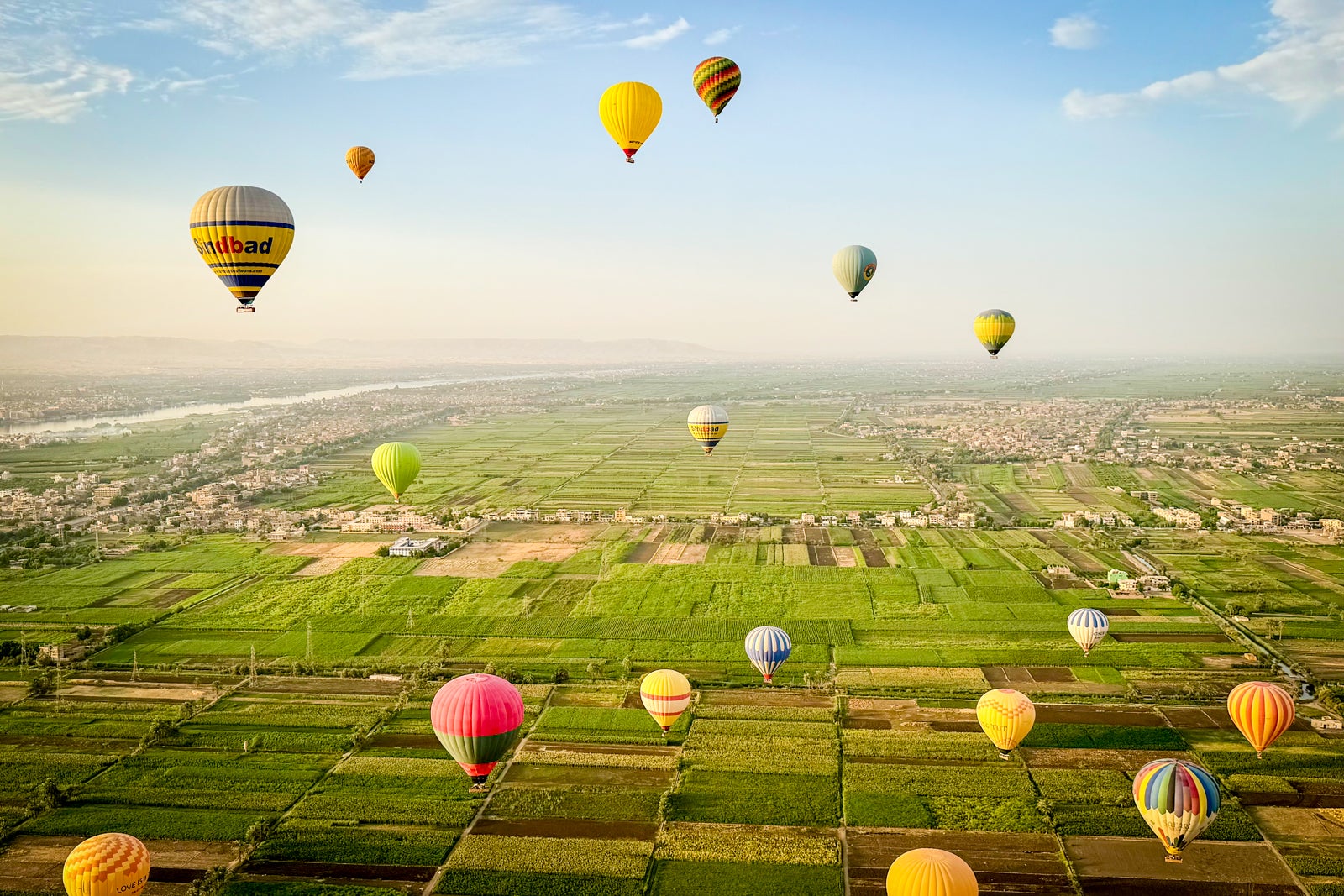
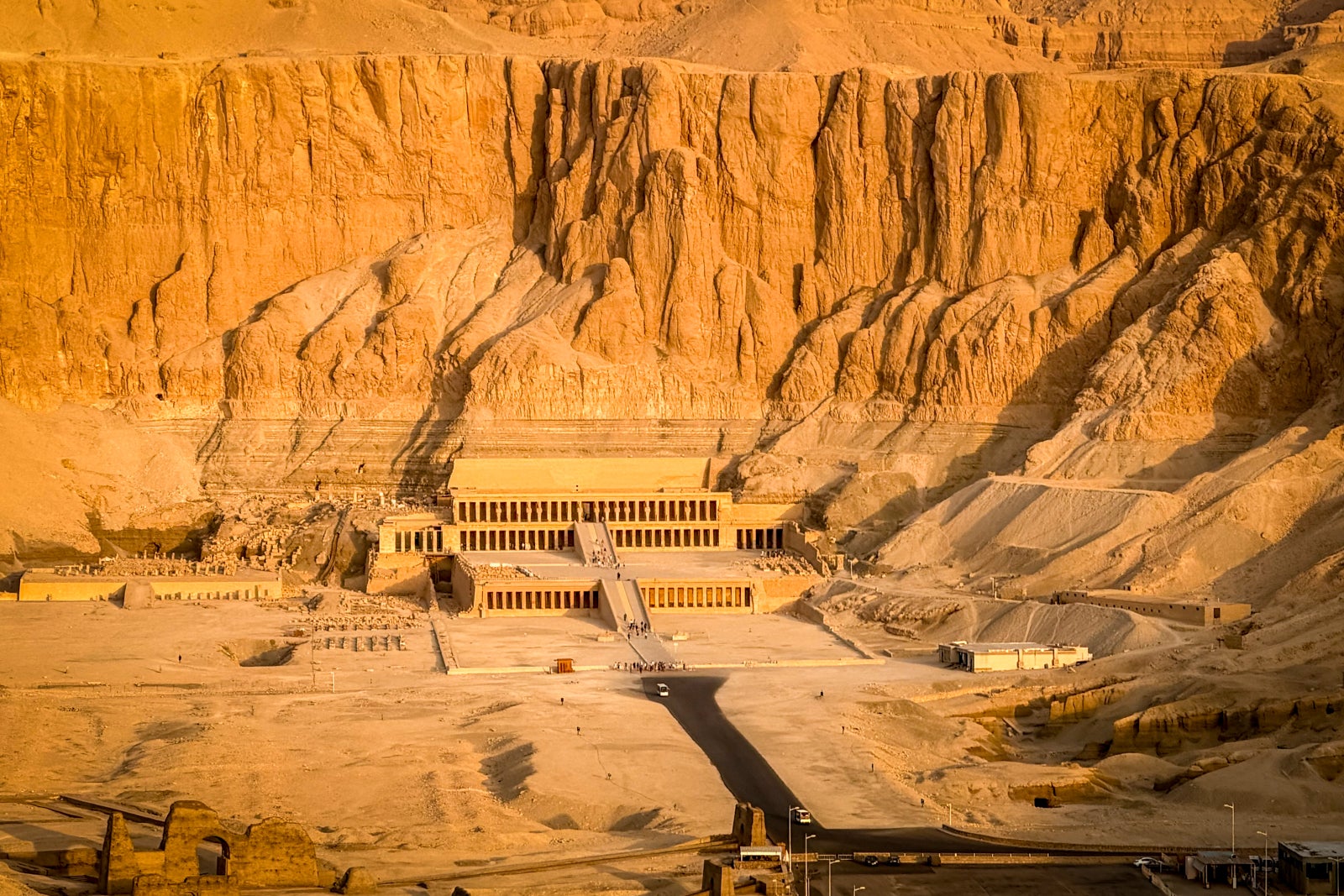
Some passengers also soar skyward in a hot air balloon (one of the few extra-charge excursions during the trip) for views of the Mortuary Temple, Valley of the Kings and other area sites from the air.
Life on the Nile
While exploring the remnants of ancient Egypt is a big part of the trip, it's not the only focus. As we sail the Nile, we also get a taste of everyday life on the river.
Some of my favorite moments of the voyage come as we steam through the many rural stretches of the Nile between Luxor and Aswan, where the riverbanks often are lined with date palms, reeds, wild grasses and, in some areas, lush agricultural crops.
It is a scene evoking the Nile of ancient times.
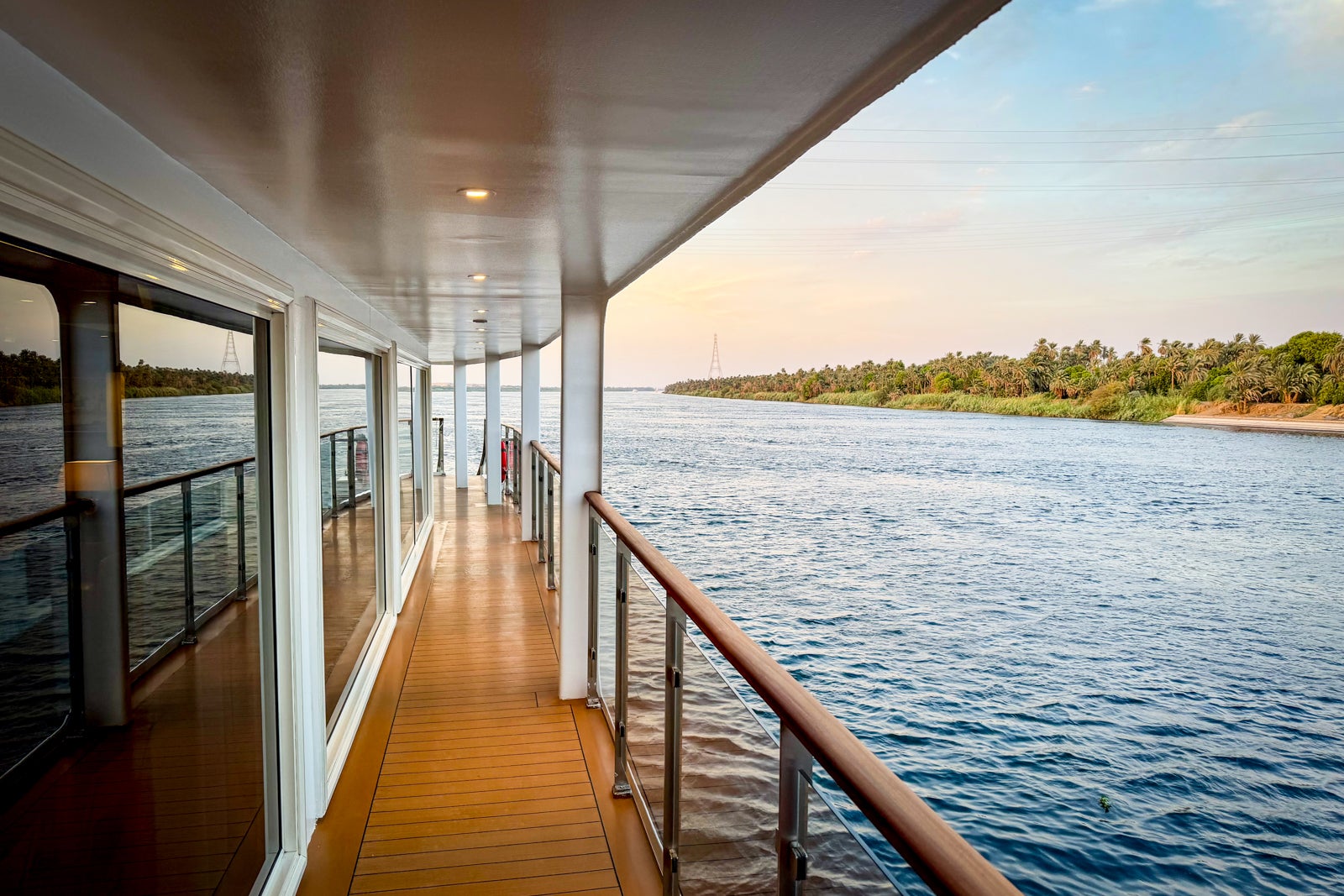
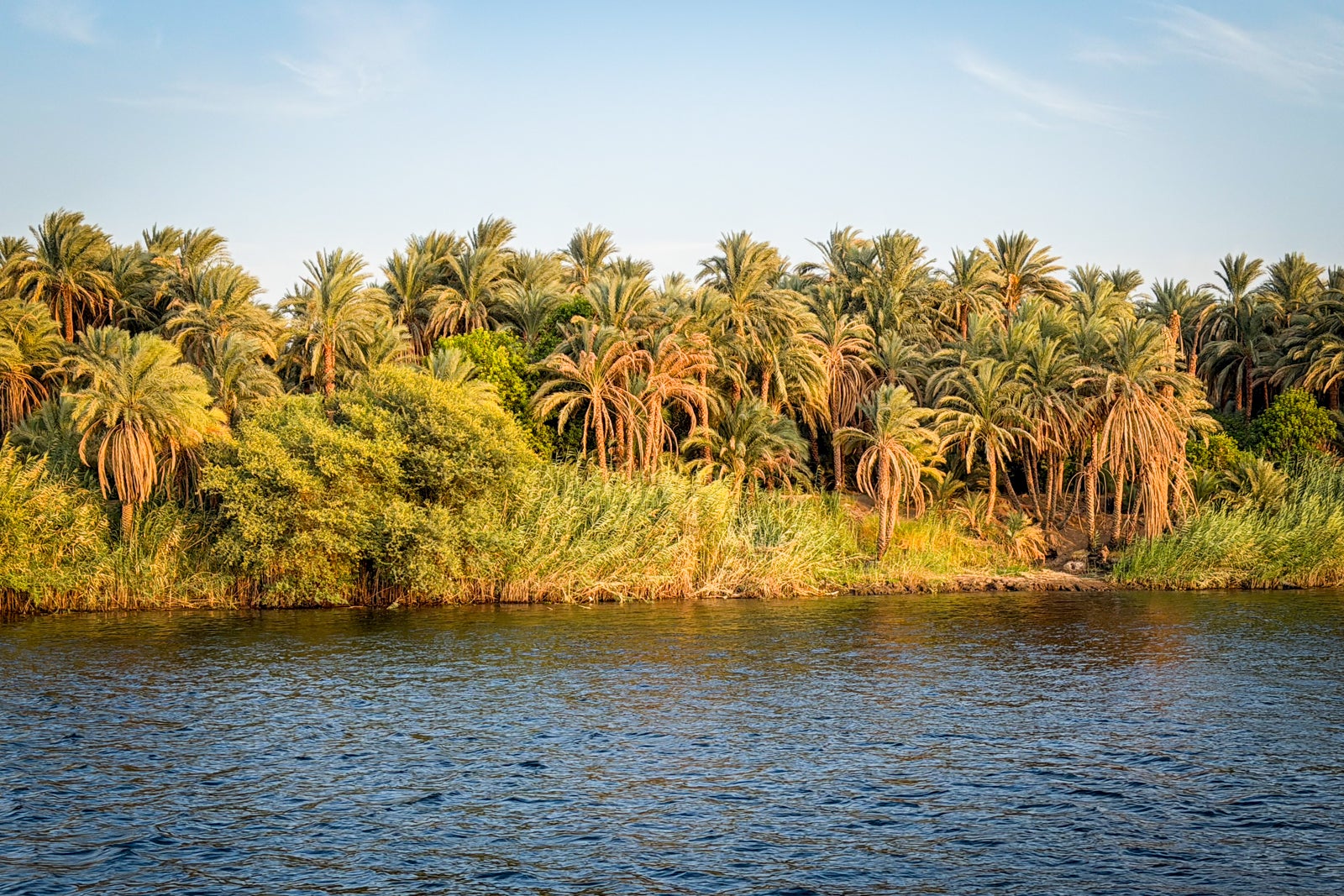
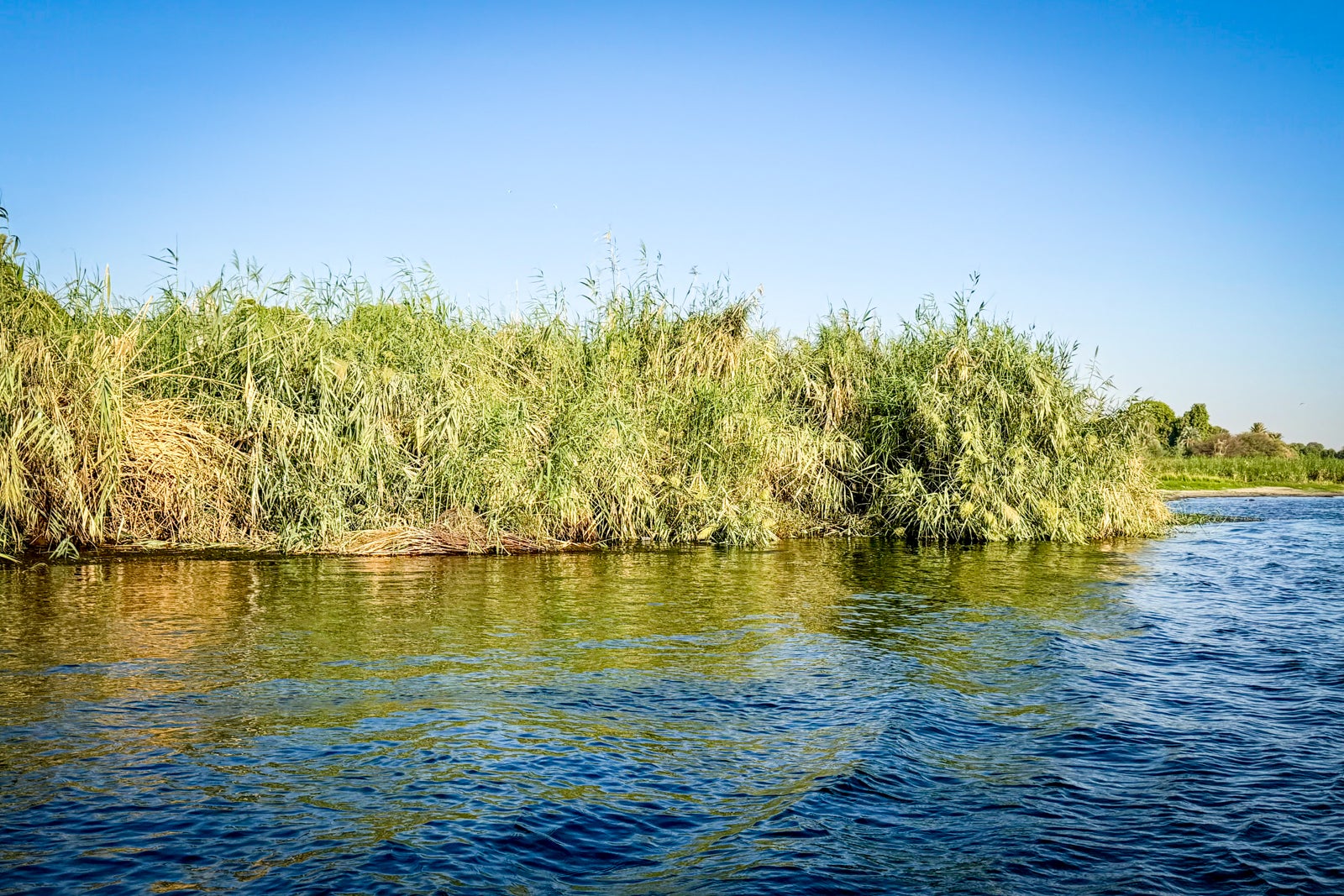
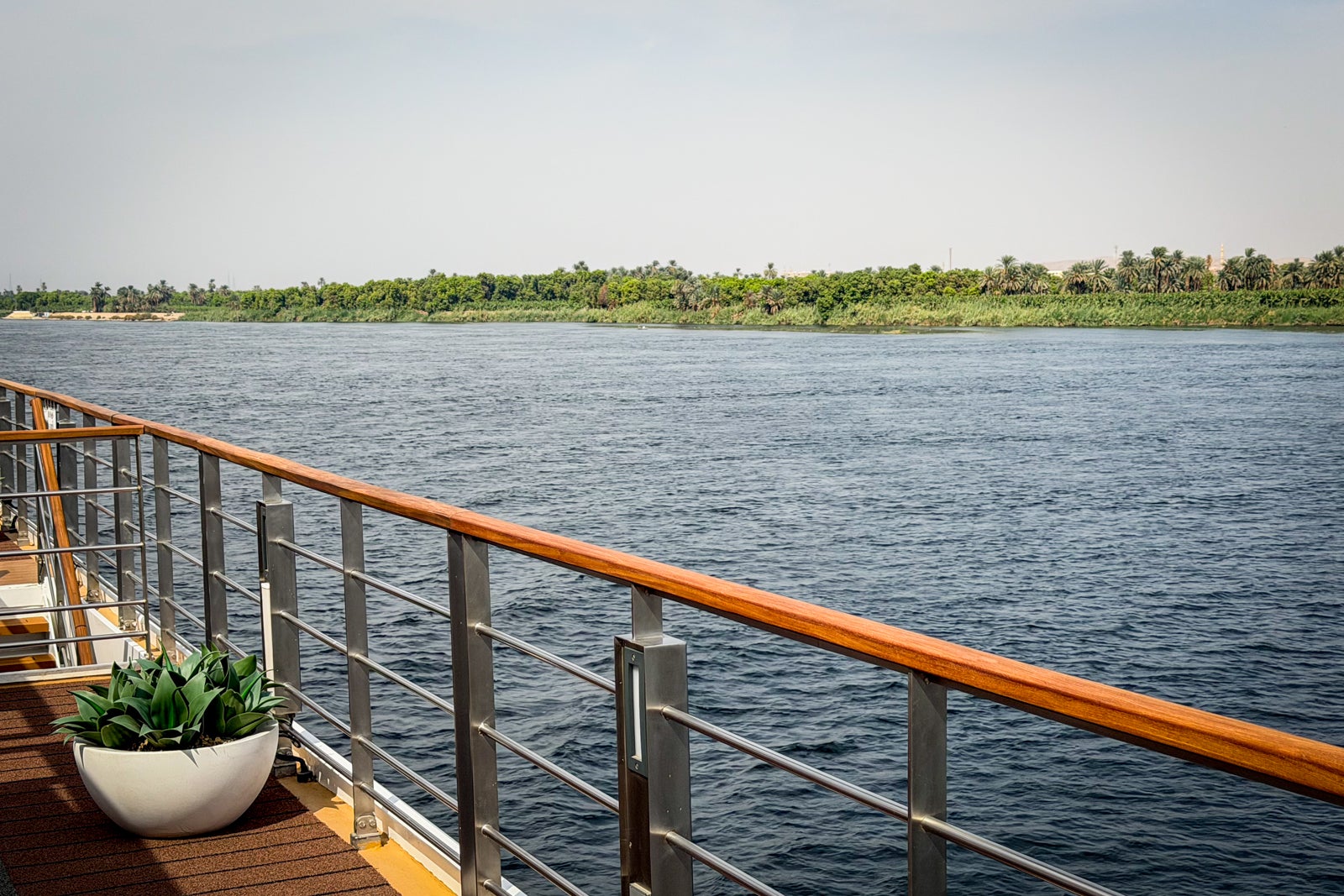
At times, I spot farmers working in small fields of bananas or sugarcane, or tending to cows grazing along the waterfront.
We regularly pass fishermen in small boats slapping the water with oars to scare the fish into nets — a traditional technique.
It is, notably, a narrow band of abundance. In some places, the fertile area fed by the life-giving waters of the Nile stretches just a few hundred feet inland, in other places maybe a mile or two, before the landscape abruptly transforms into harsh desert that stretches for hundreds of miles.
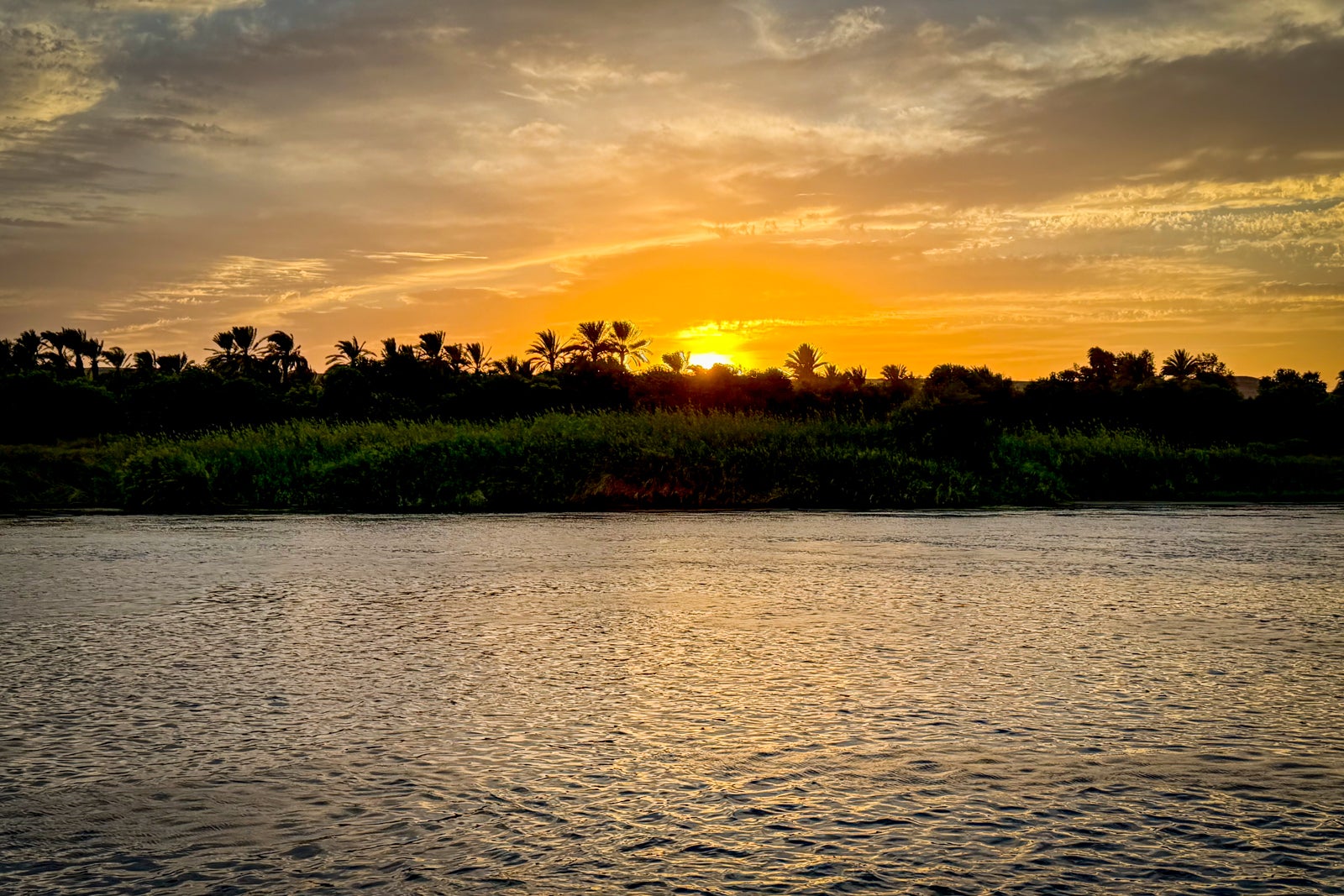
It's one of the things that makes Egypt so fascinating. It is a country that essentially unfolds along one very long, very narrow ribbon of green in a sea of desert.
Or, as the Greek historian Herodotus famously wrote, Egypt is the gift of the Nile.
You can read about this in books, of course. But it's something you only truly understand when you see it up close from the deck of a passing vessel.
In-depth touring that isn't rushed
One of the big allurements of Viking sailings on the Nile is their laid-back pace.
Many Egypt tour itineraries include only three or four nights of cruising between Luxor and Aswan to see the major sites, or even fewer, resulting in a frenetic touring schedule. There is a lot to pack into just a few days.
Viking is one of just a small number of Egypt tour companies that slow the Nile-cruising portion of the trip by spreading it over a seven-night span. This allows for not only a more in-depth experience but also a more relaxed one — the latter of which has particular appeal to the mostly older travelers who are Viking's core market.
Many of Viking's customers are retirees who have the time for longer trips and also prefer to "explore the world in comfort," as Viking likes to say.
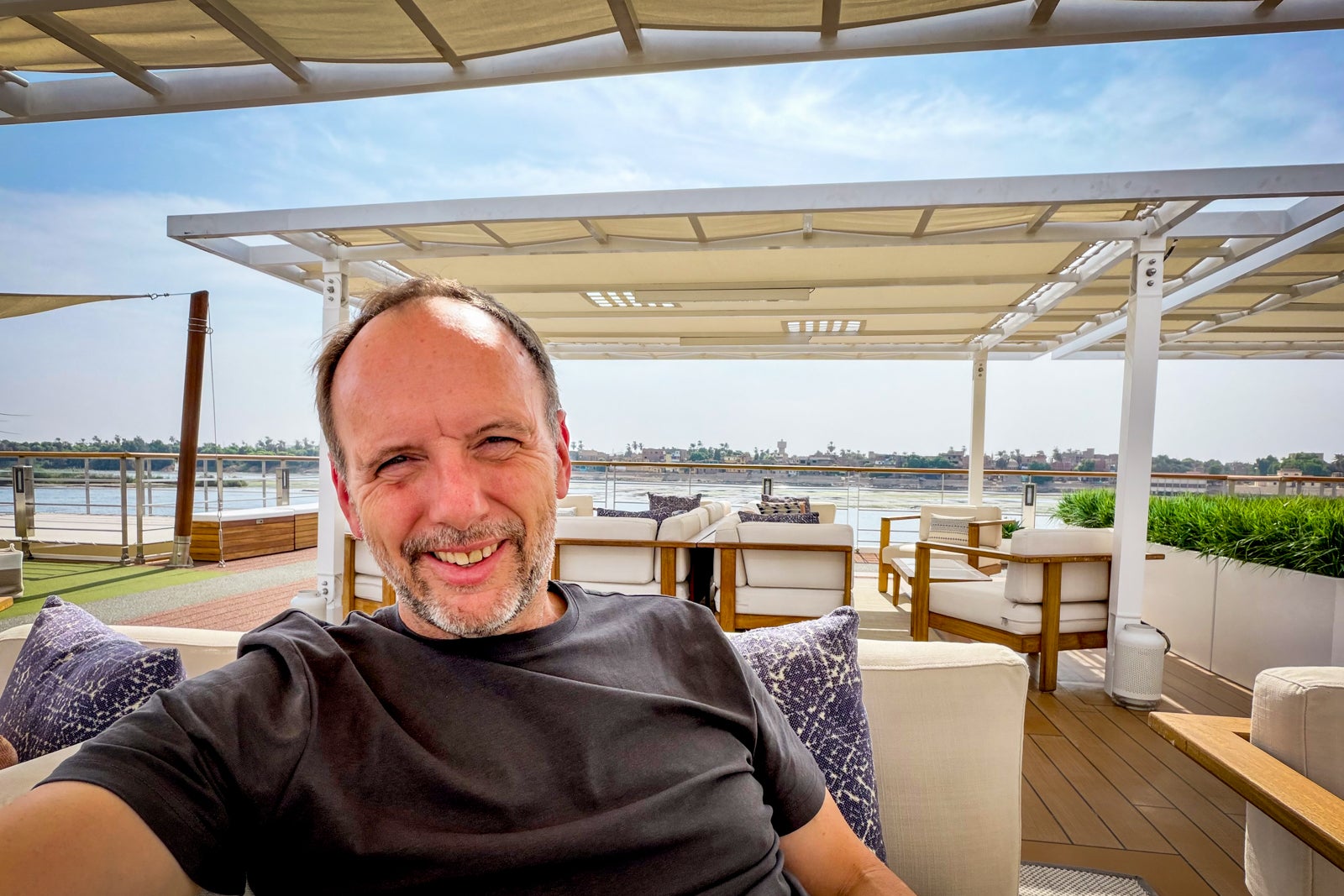
On several days of the sailing, notably, we only tour ancient sites for a few hours in the morning and spend the afternoon relaxing on board as the vessel sails the river.
During this time, Zohny and two other onboard Egyptologists lecture on topics such as medicine in ancient Egypt and Egyptian hieroglyphics. There are lessons in Egyptian cooking and basic Arabic. There's afternoon tea.
But there's also plenty of time to just kick back on the sun deck.
The extra days also allow time for visits to ancient sites that most tours don't include and for experiencing more on land than just ancient sites.
In addition to stopping at lesser-visited Qena to see the Temple of Hathor, for instance, we spend a morning docked in the often overlooked Nile town of Esna to see not just its lovely if small Roman-era Temple of Khnum but to shop in one of its small markets for local textiles.
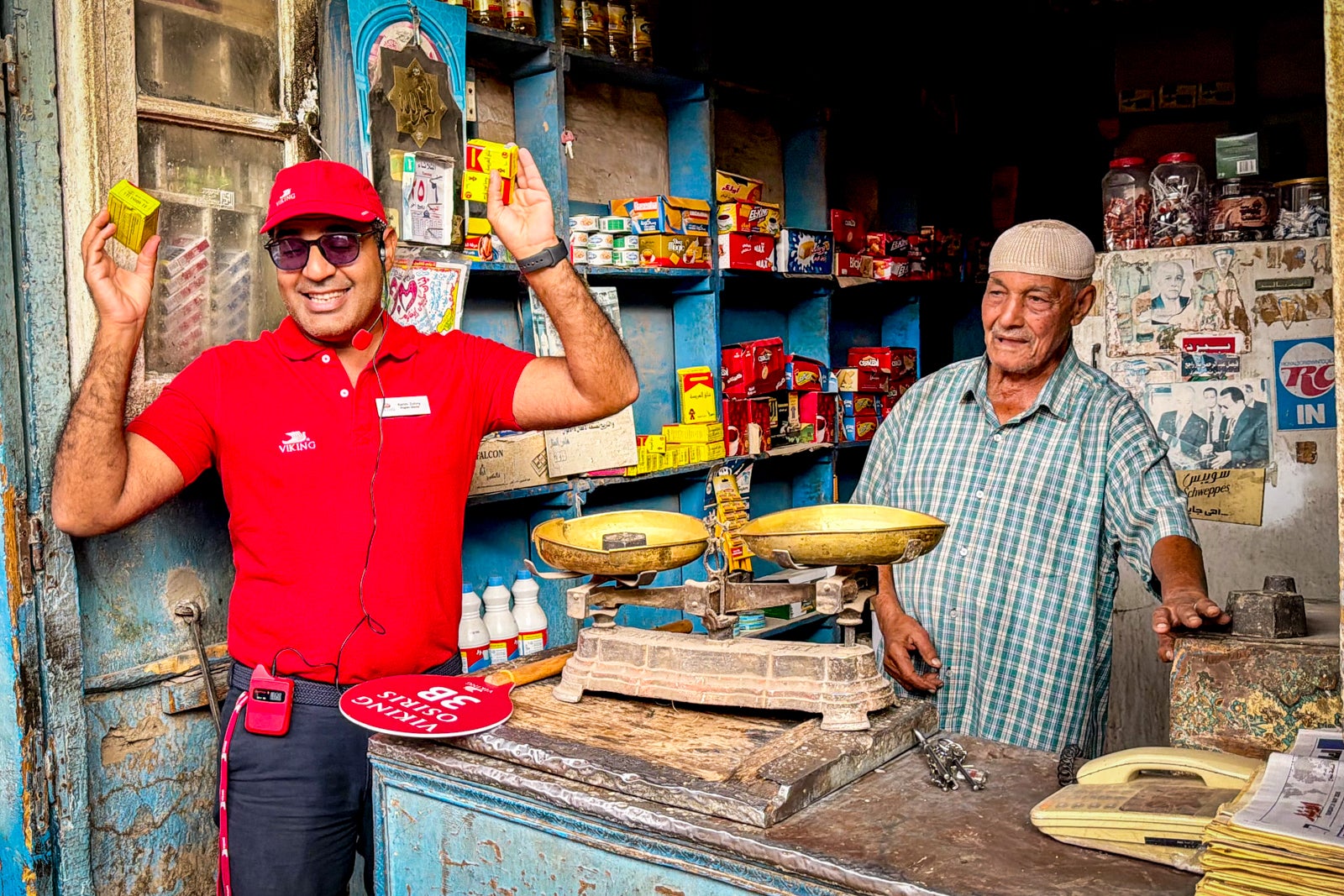
For many of us, the shopping time allows us to haggle for Egyptian galabeyas — a traditional, loose-fitting robe worn by men and women across Egypt — for another major moment of the cruise, that night's Taste of Egypt & Galabeya Evening. Passengers are encouraged to wear local dress, as the crew does, too, for a special dinner of all-local cuisine, and local music and entertainment.
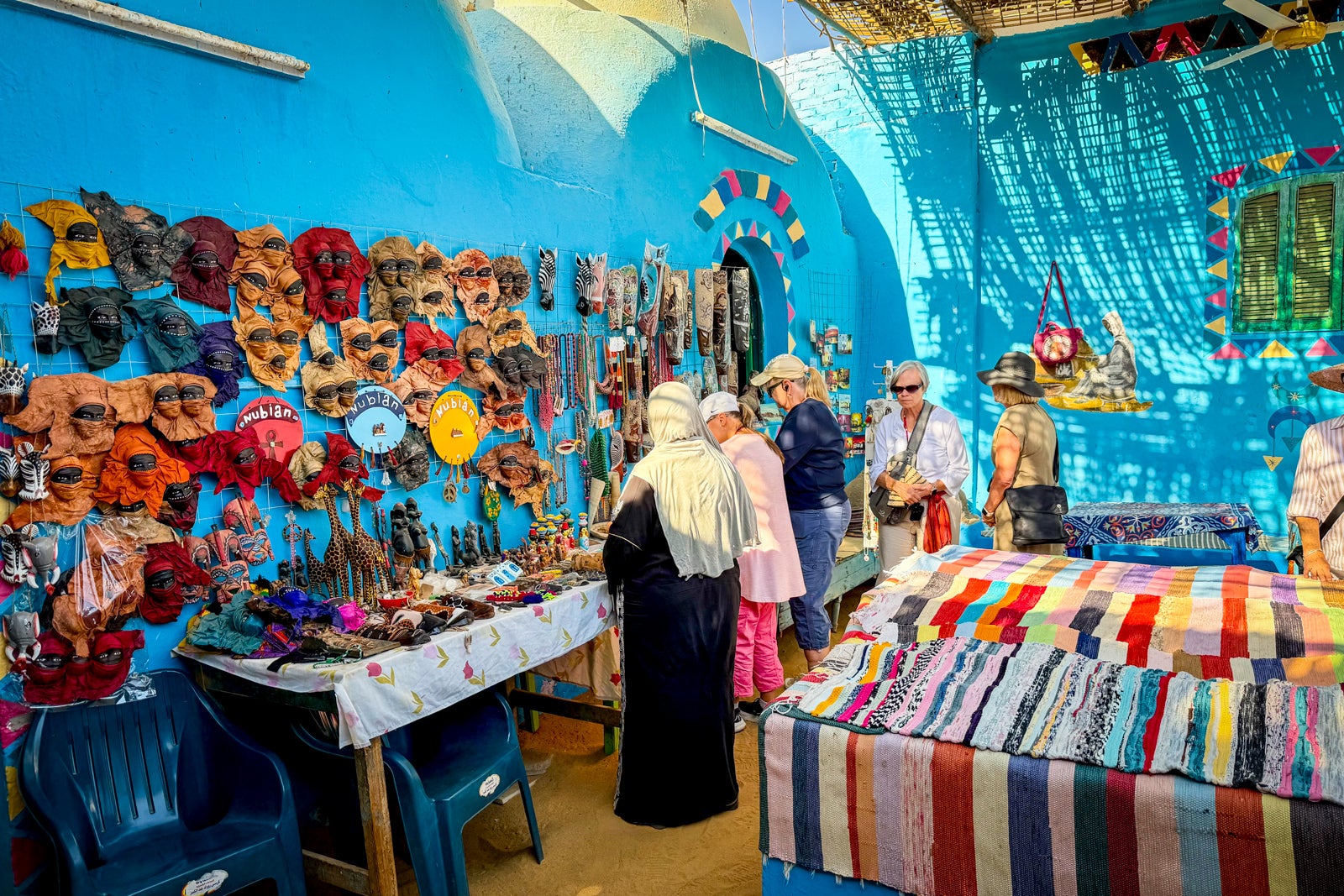
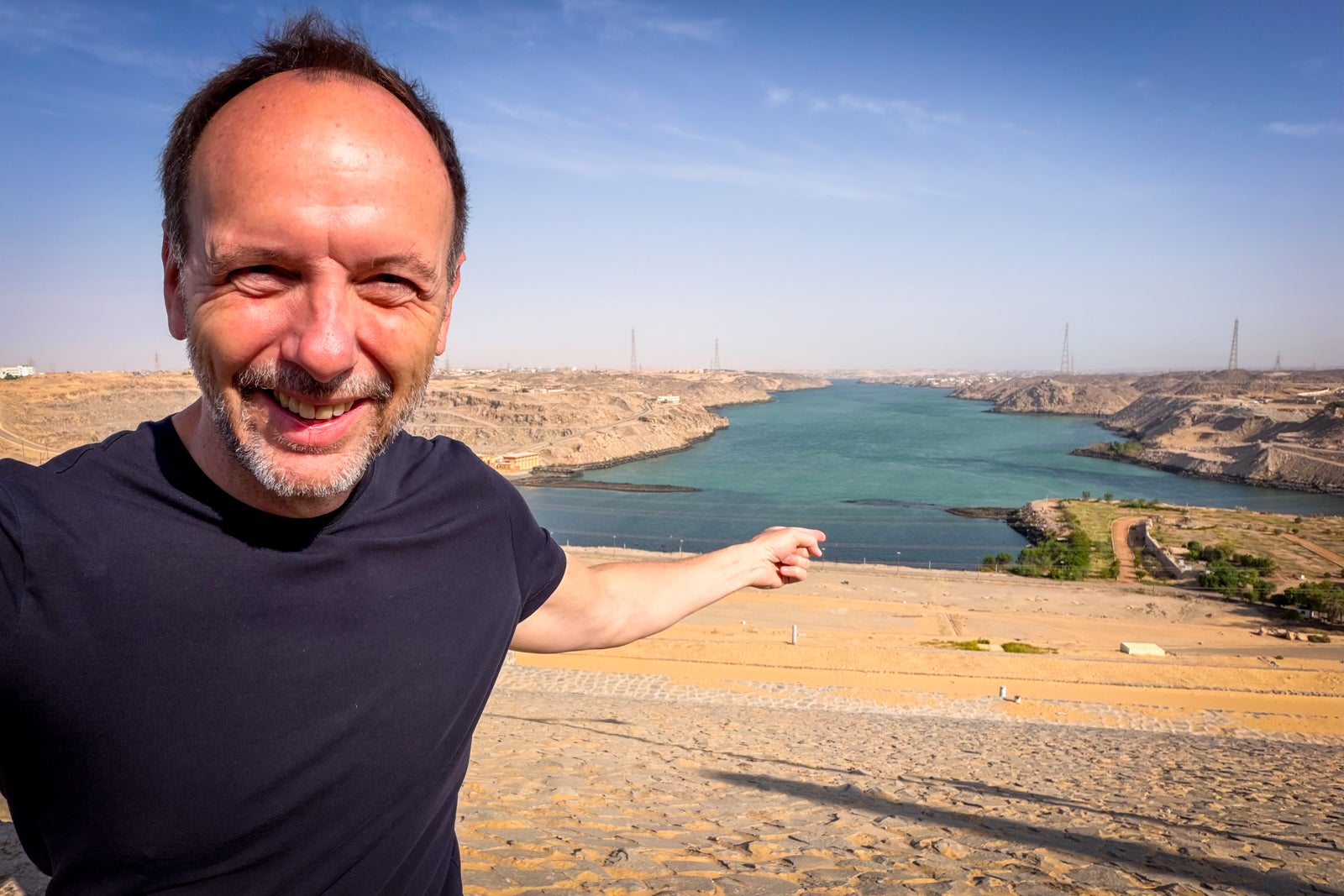
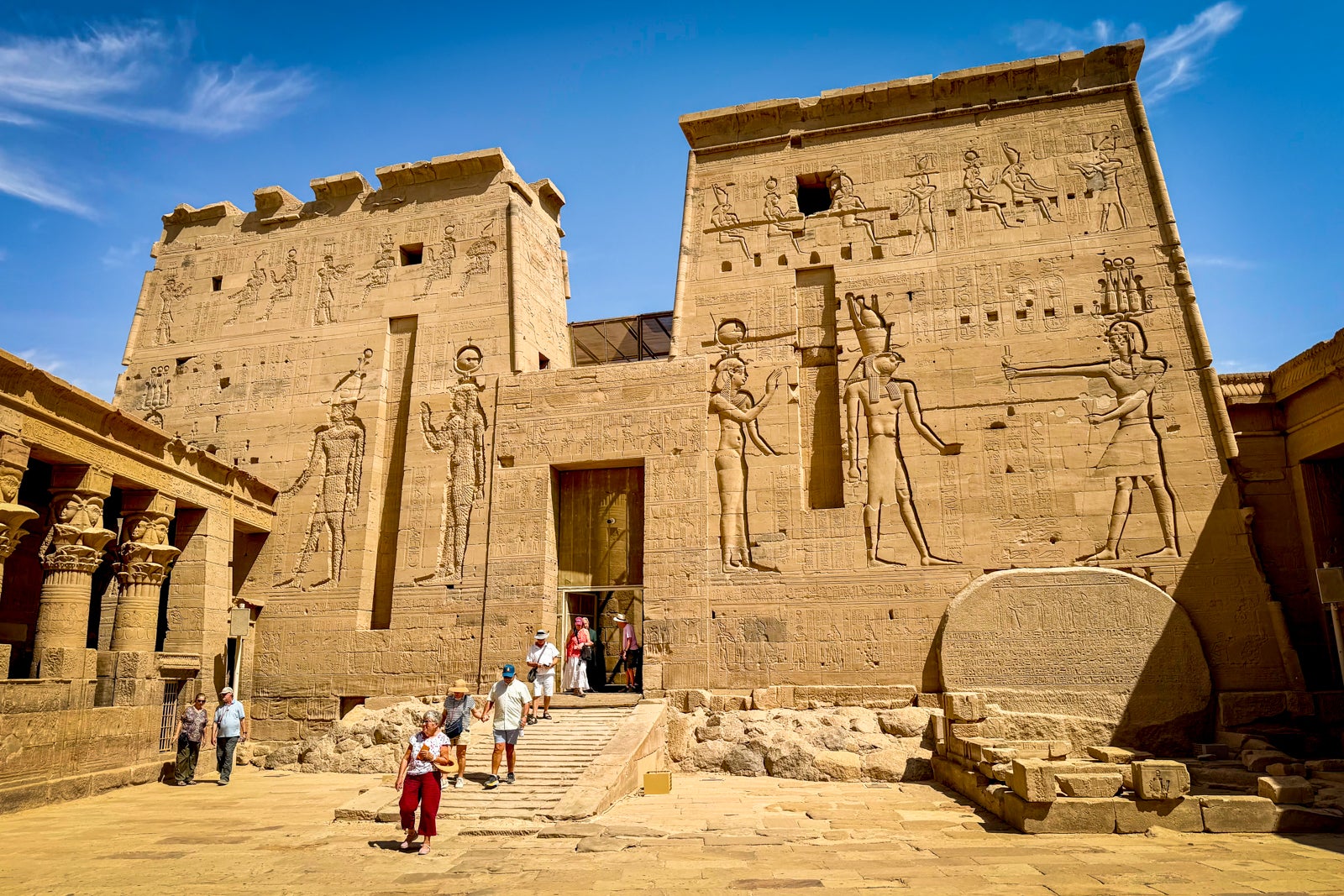
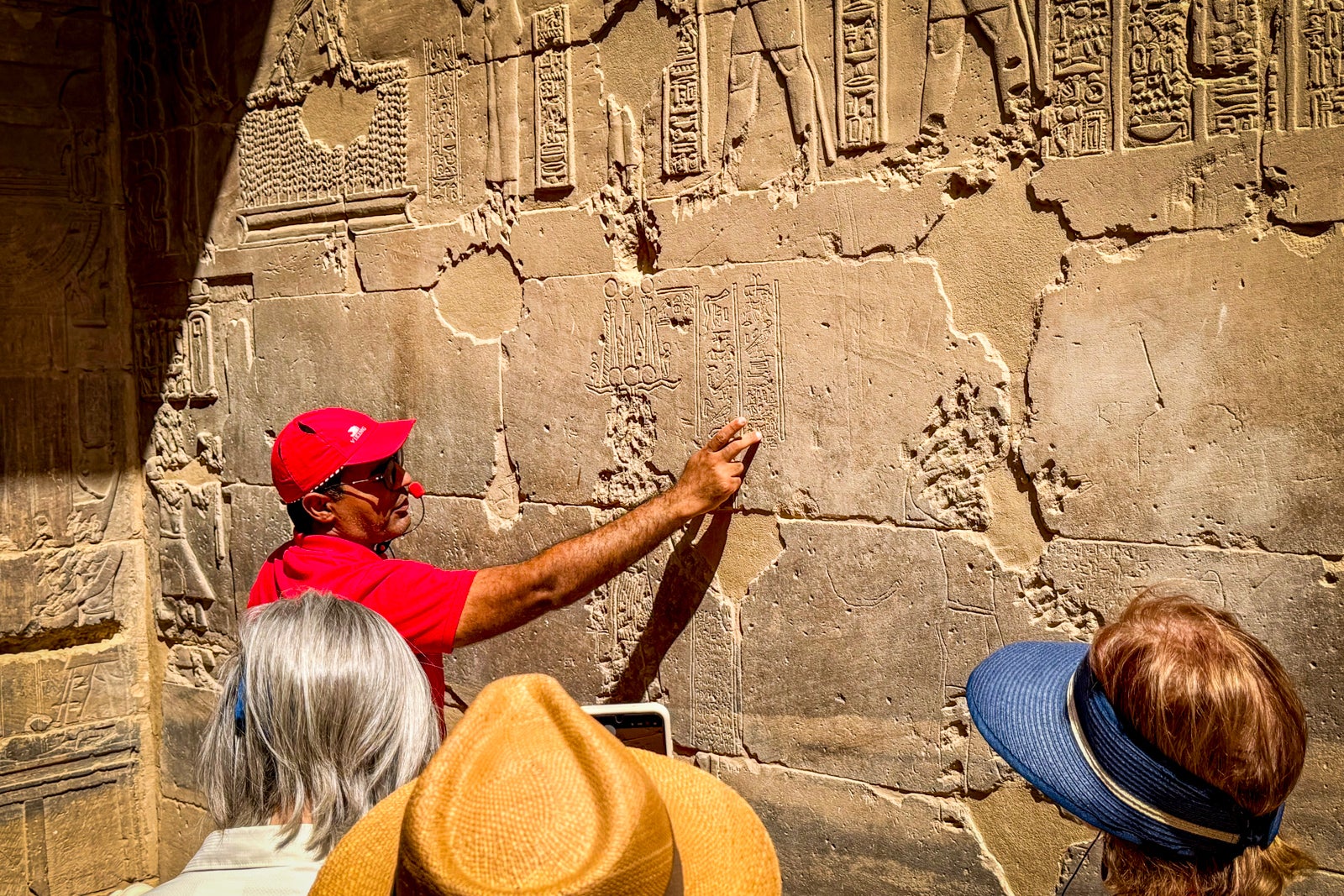
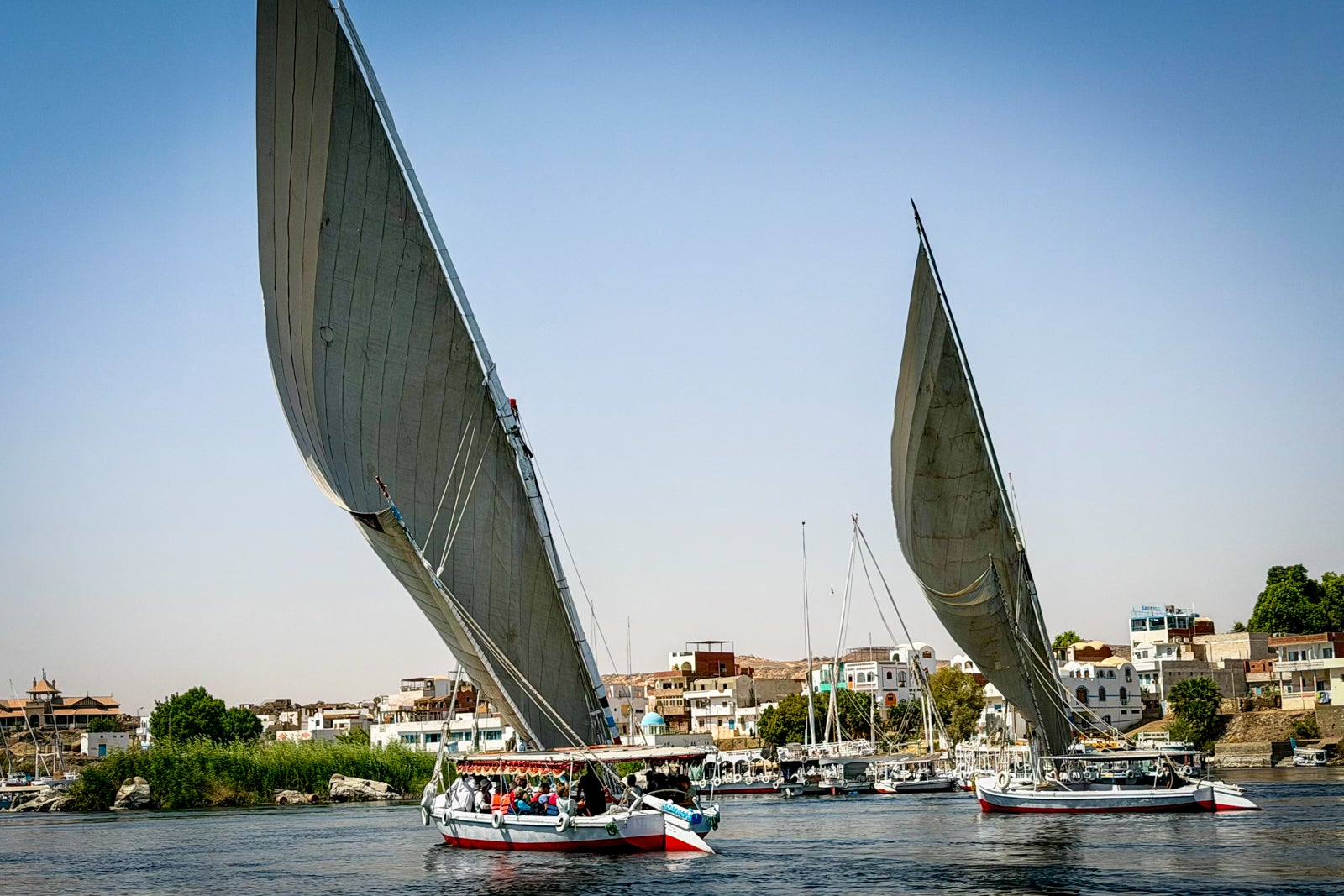
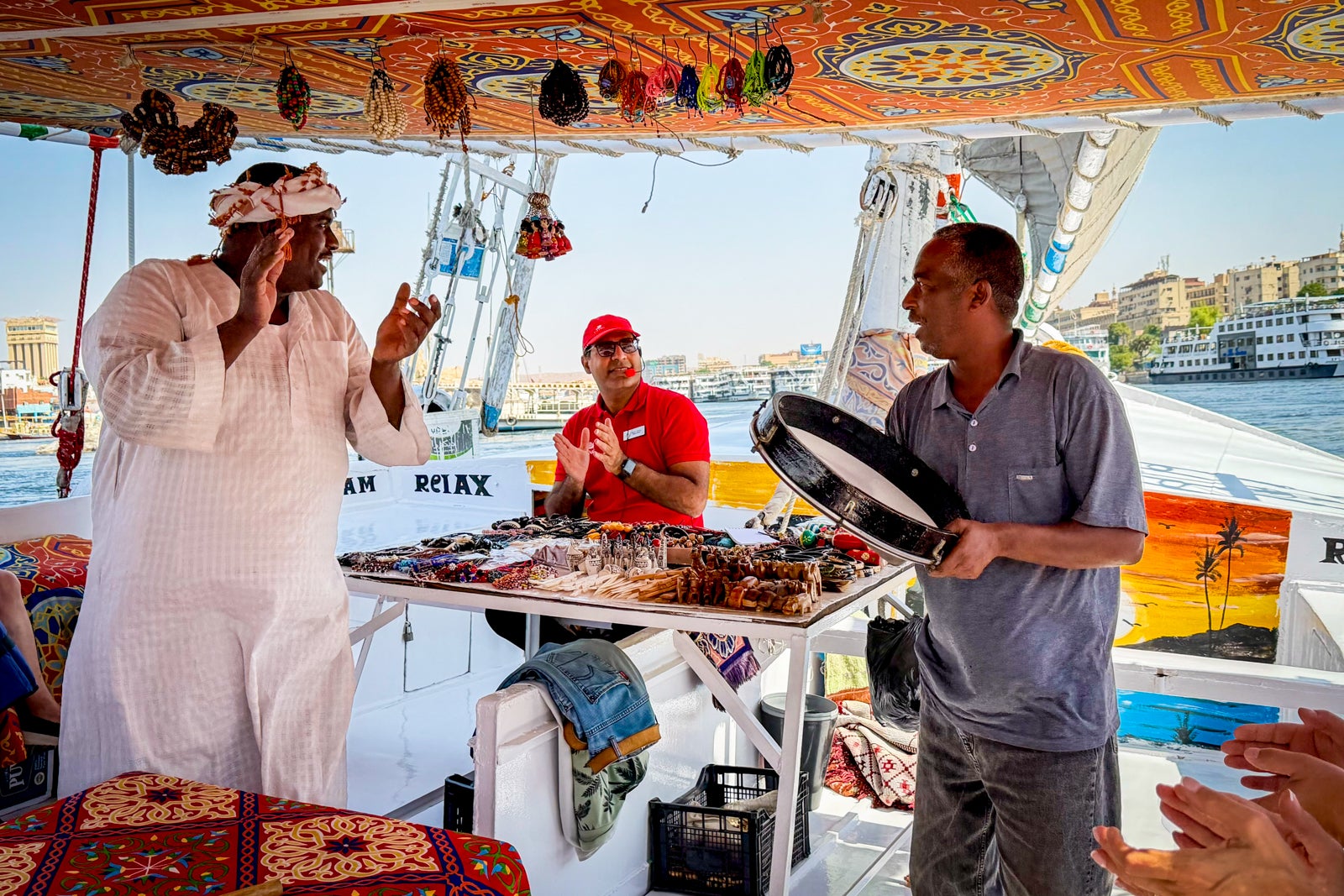
In Aswan, which is as far south as river ships on these itineraries can go, we spend two days experiencing a wide variety of activities that range from touring the dedicated-to-Isis Temple of Philae and sailing in a traditional wind-powered felucca to visiting one of the local villages that are home to Nubians — a distinct ethnic group that has been living in the region for thousands of years.
We also visit the mighty 56-year-old Aswan High Dam, a marvel of construction that blocks river ships from going farther south on the Nile.
An elegant, upscale vessel
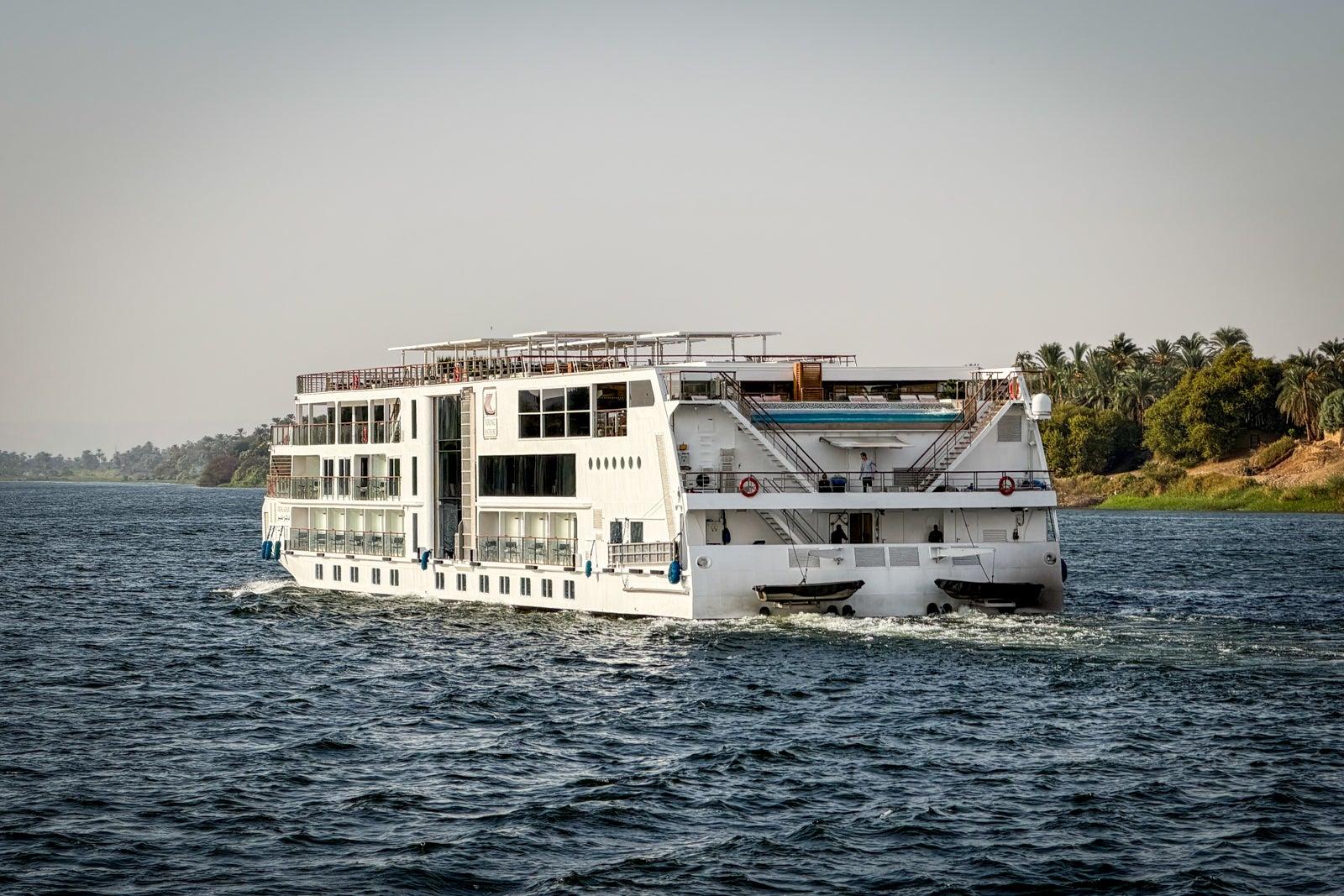
As noted above, Viking Osiris is part of a new series of Viking vessels on the Nile that, in my opinion, are the best-designed on the river.
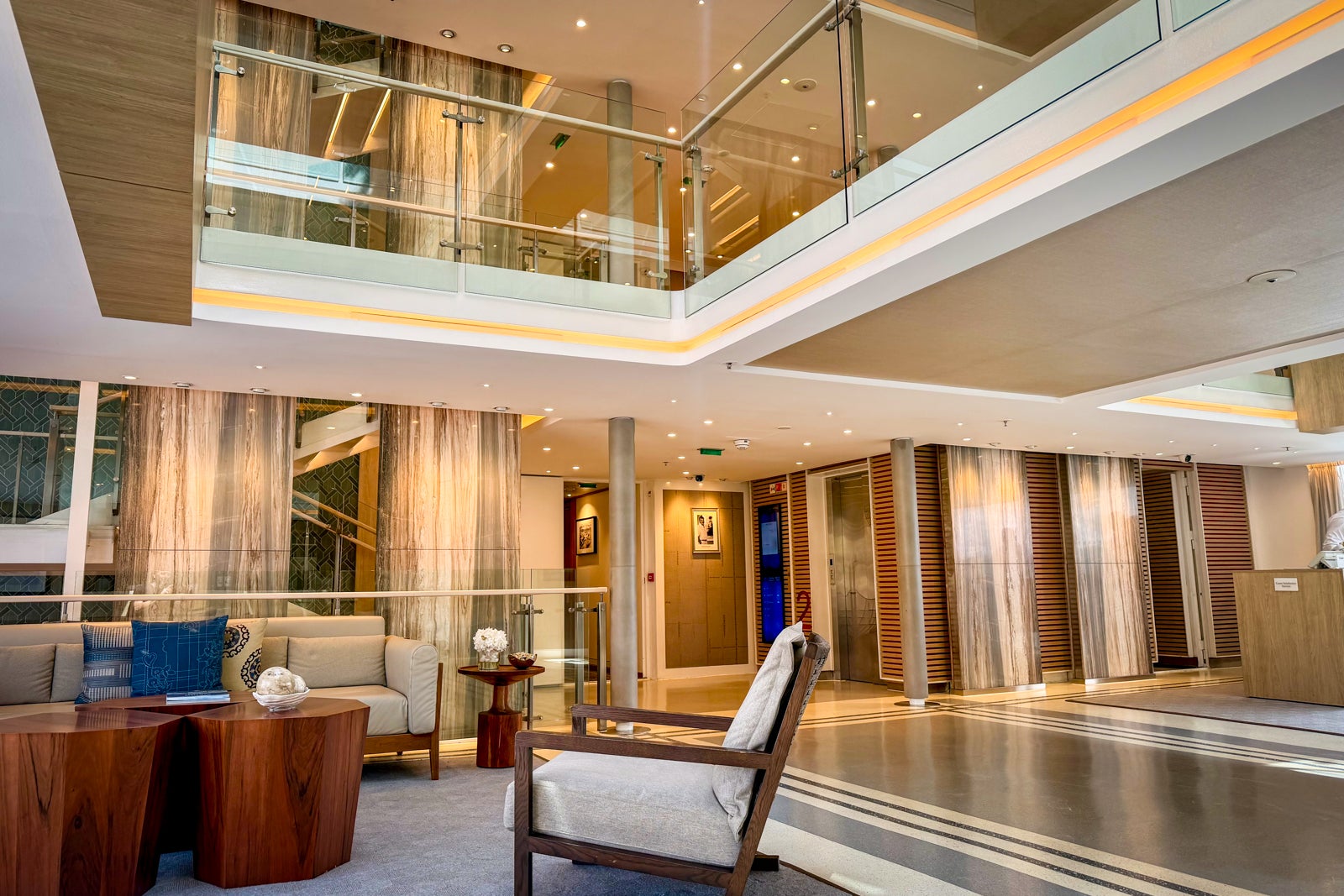
Upscale and intimate, with just 41 cabins and suites apiece, these vessels feature the same elegant, clean-lined Scandinavian-influenced décor that can be found on Viking ships around the world and lots of high-end touches.
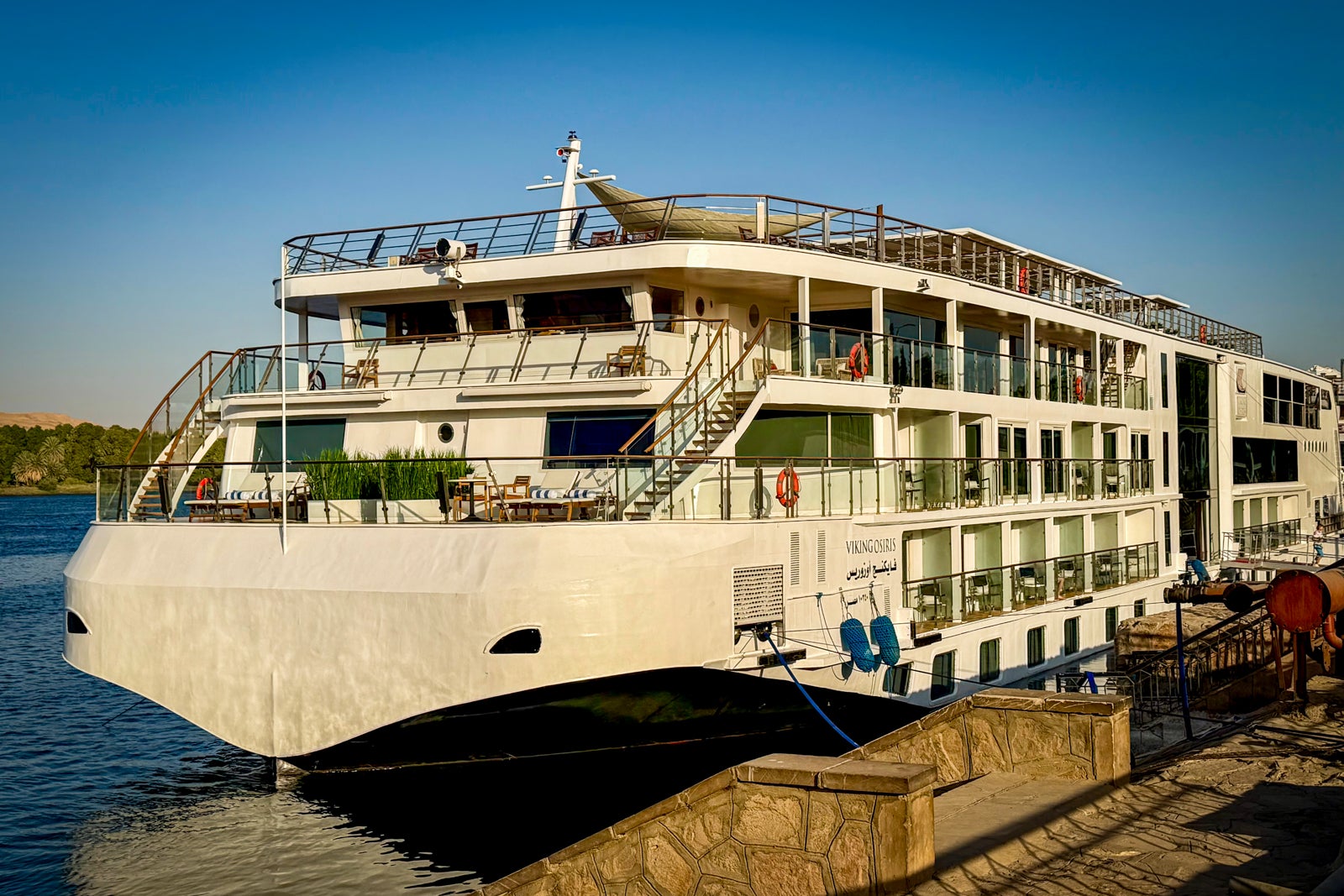
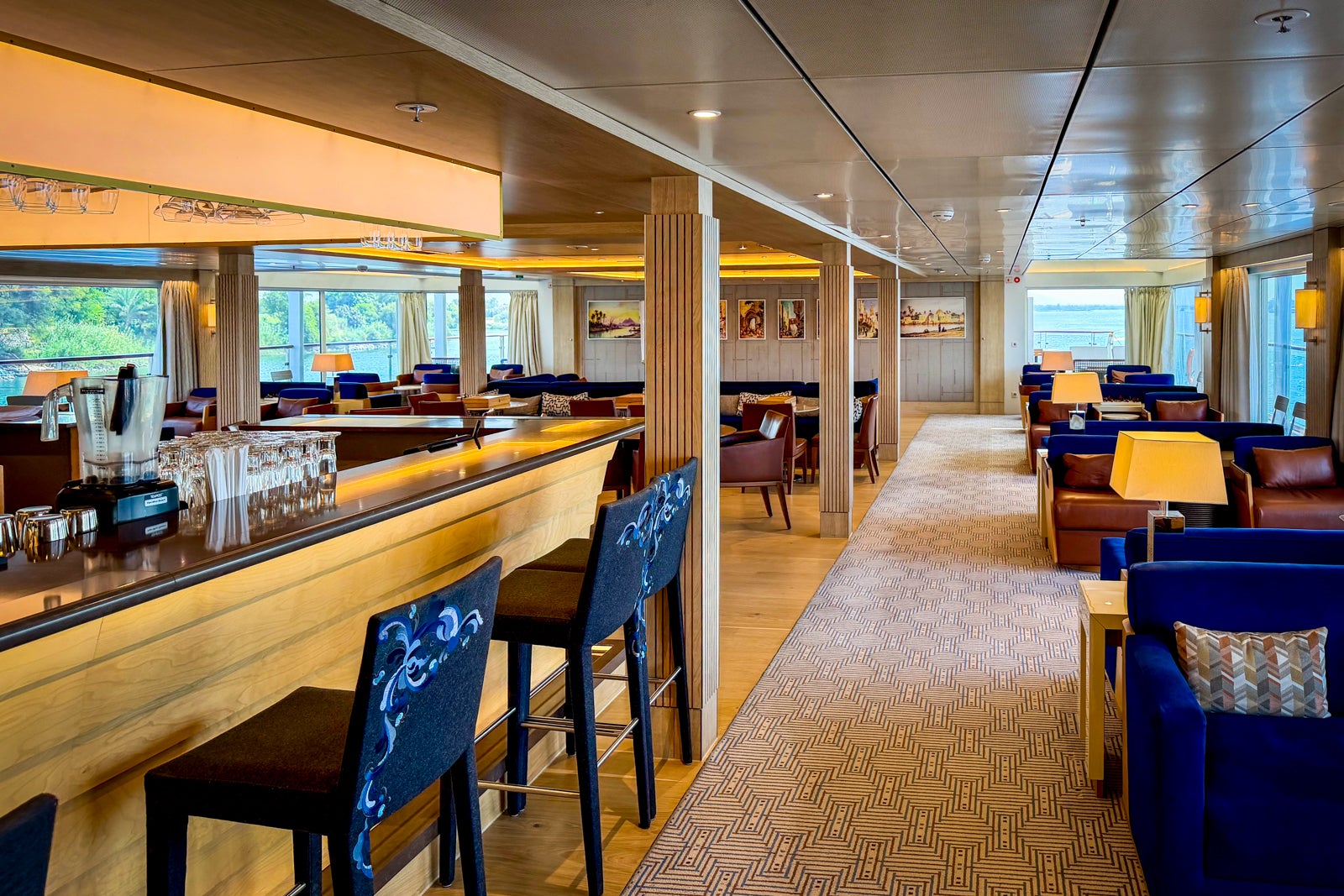
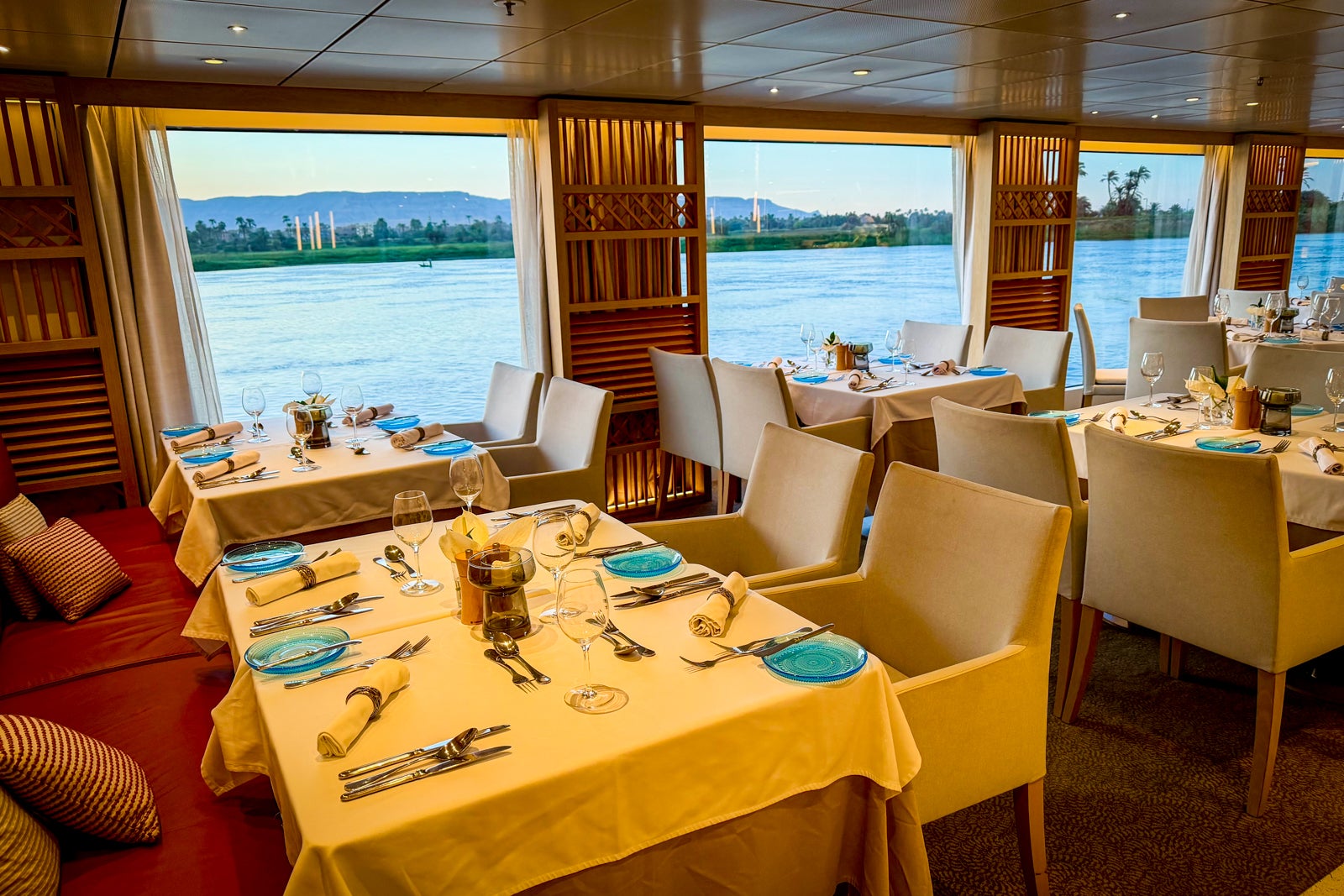
Public areas on each vessel include a stylish restaurant overseen by a European chef, a casual deck-top eatery with indoor and outdoor seating, and a cozy lounge and bar — all offering commanding views.
A key element of the design is the wide expanses of clear glass that serve as the outward-facing walls of nearly every public room. This essentially turns the entire ship into a window onto the stunning, colorful scenery that is scrolling by.

In essence, the light-greenish water of the Nile, the rich green papyrus and tall bamboo-like grasses along its banks, and the tan desert cliffs in the distance become the "art" and focal points of the ship's spaces.
That the glass is clear is notable for the Nile, where many vessels are wrapped in dark or metallic glass to reflect the often-intense heat of the sun — glass that, alas, often makes these ships feel closed off to the splendors of the river. Viking went to great lengths to keep the view clear by sourcing a more expensive type of glass that blocks heat without appearing tinted from the inside — a seemingly small detail that makes all the difference.
Other public spaces on each ship include a swanky sun deck with rows of plush lounge chairs for sunning and lovely shaded seating areas. At the very back of the top deck is a narrow pool.
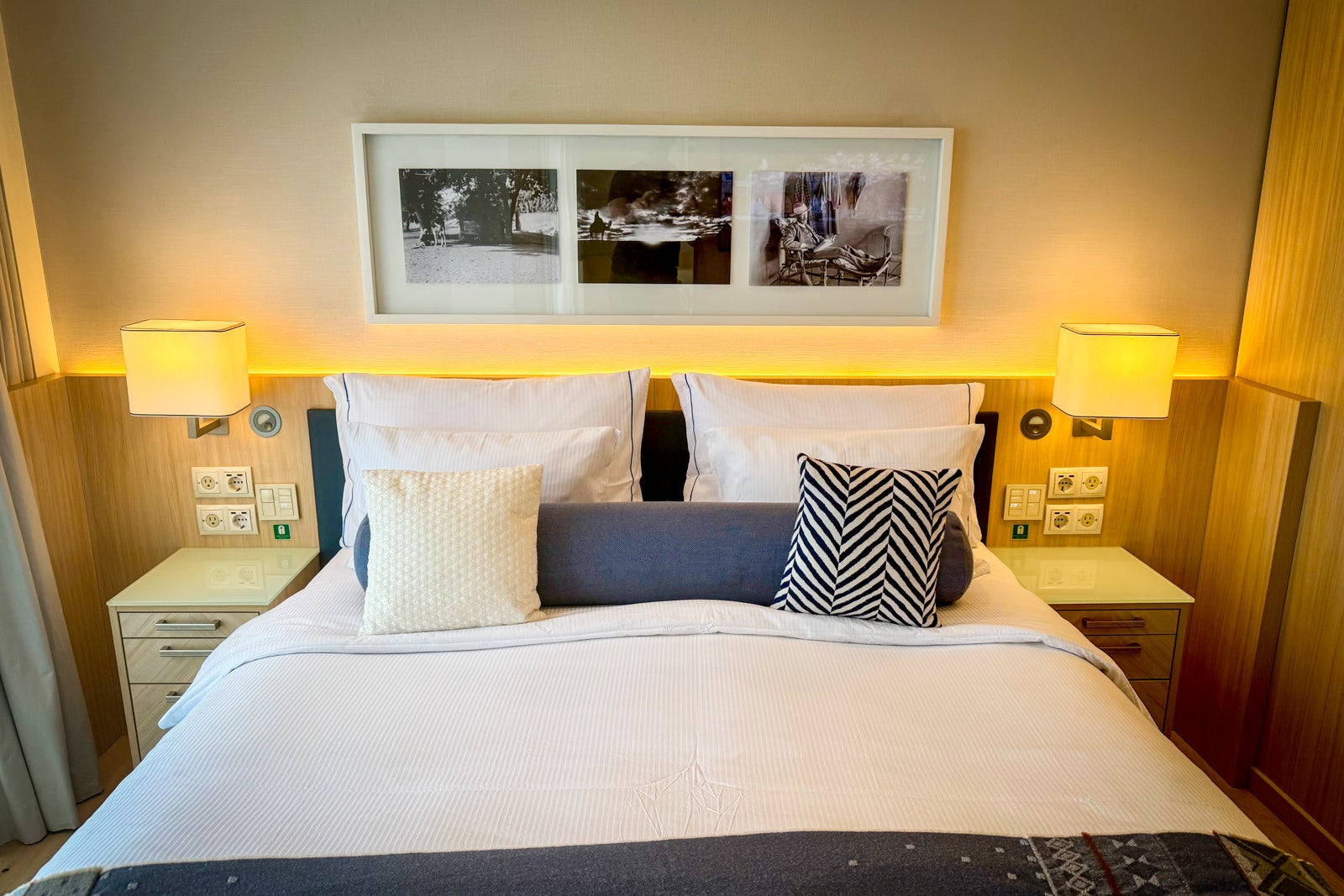
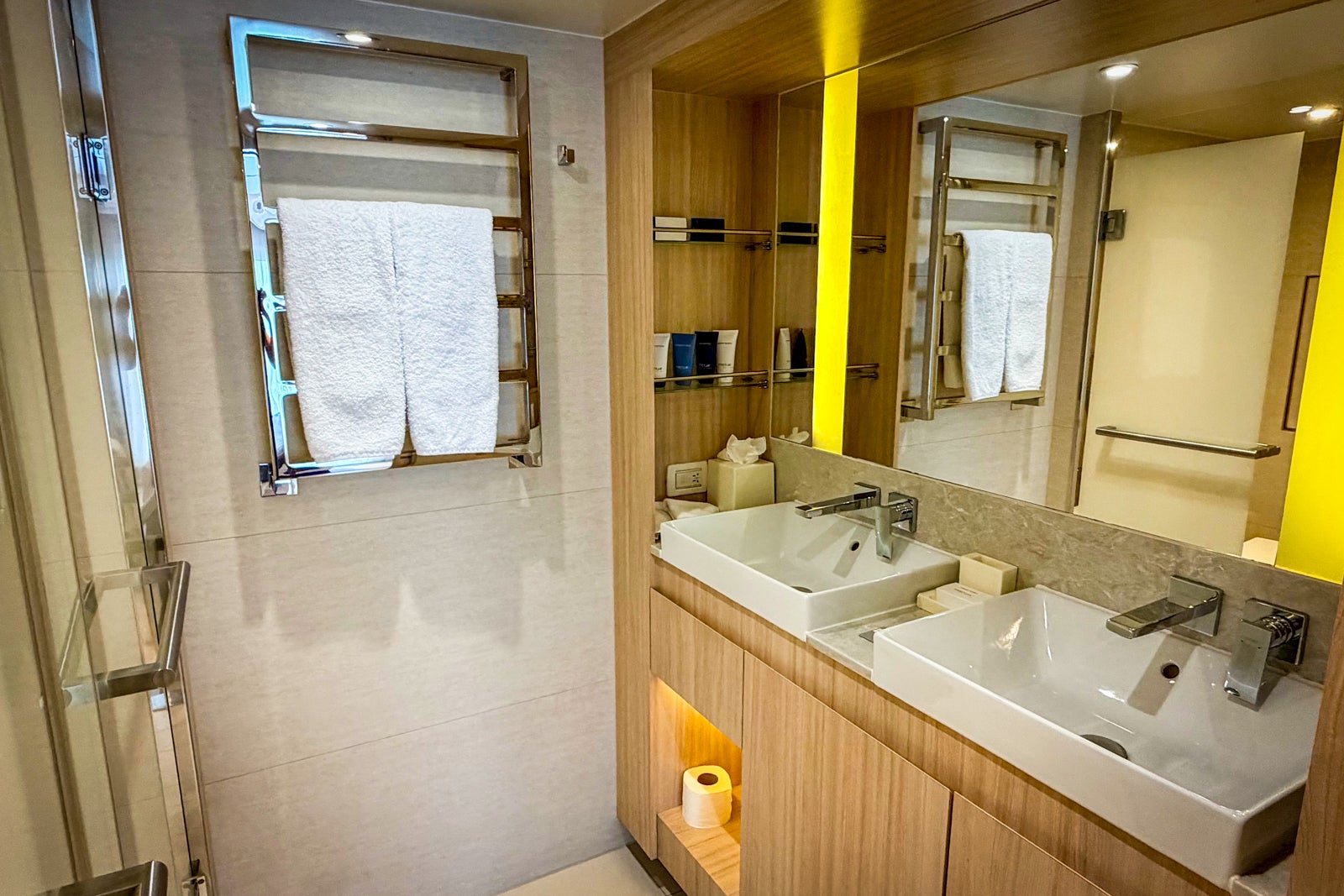
Even the smallest cabins on the ships are generous in size, measuring 232 square feet. And they are filled with luxury elements such as high-end linens and pillows on the beds, heated bathroom floors and roomy wardrobes with wooden hangers.
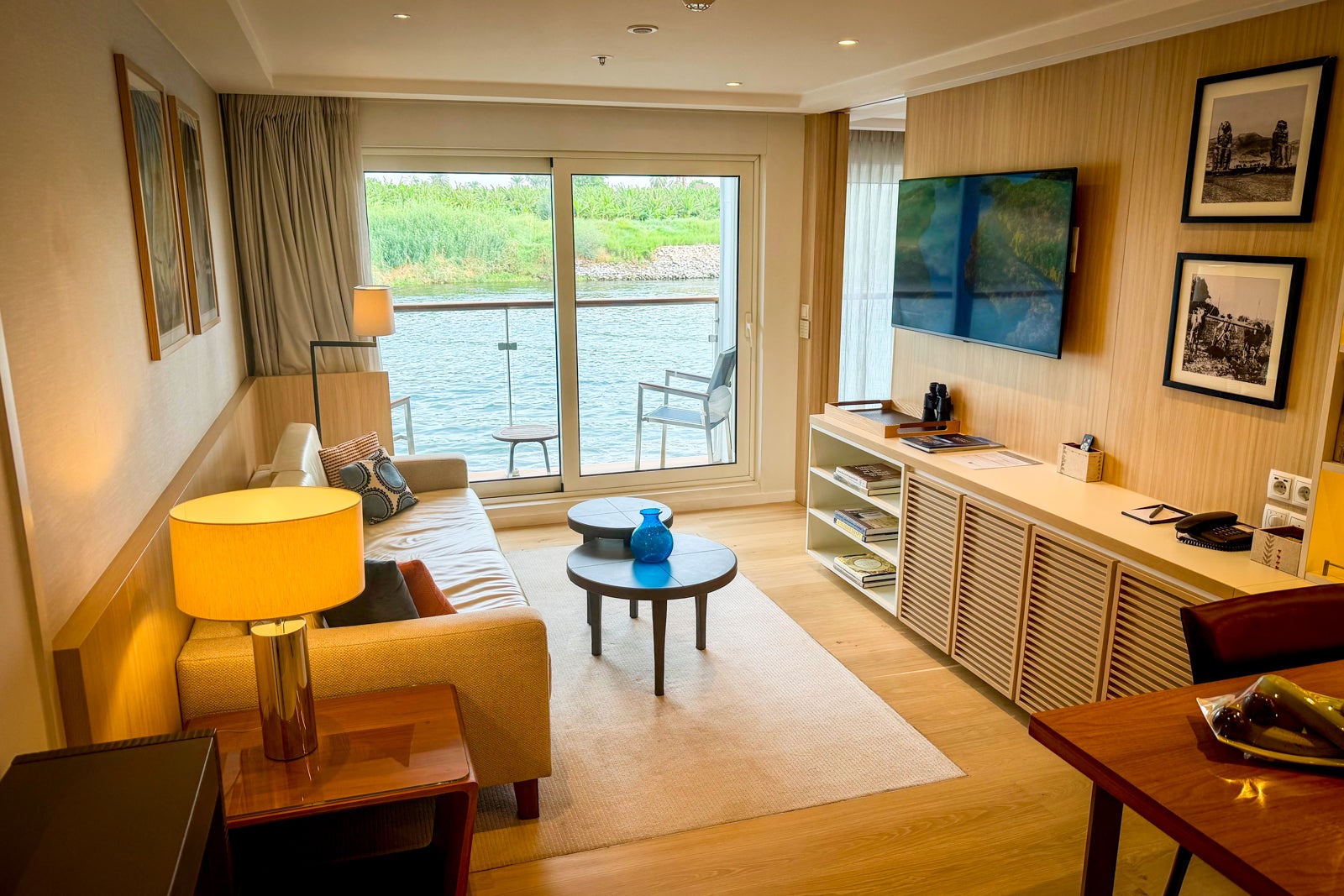
My cabin — one of eight suites measuring 409 square feet or more — was among the most luxurious that I have seen on a Nile ship. Modern and residential in feel, it featured a large living room with a seating area and desk for working, an adjacent bedroom with a walk-in closet and bathroom, and an outdoor balcony with seating for two. The latter is something you don't always see on Nile ships.
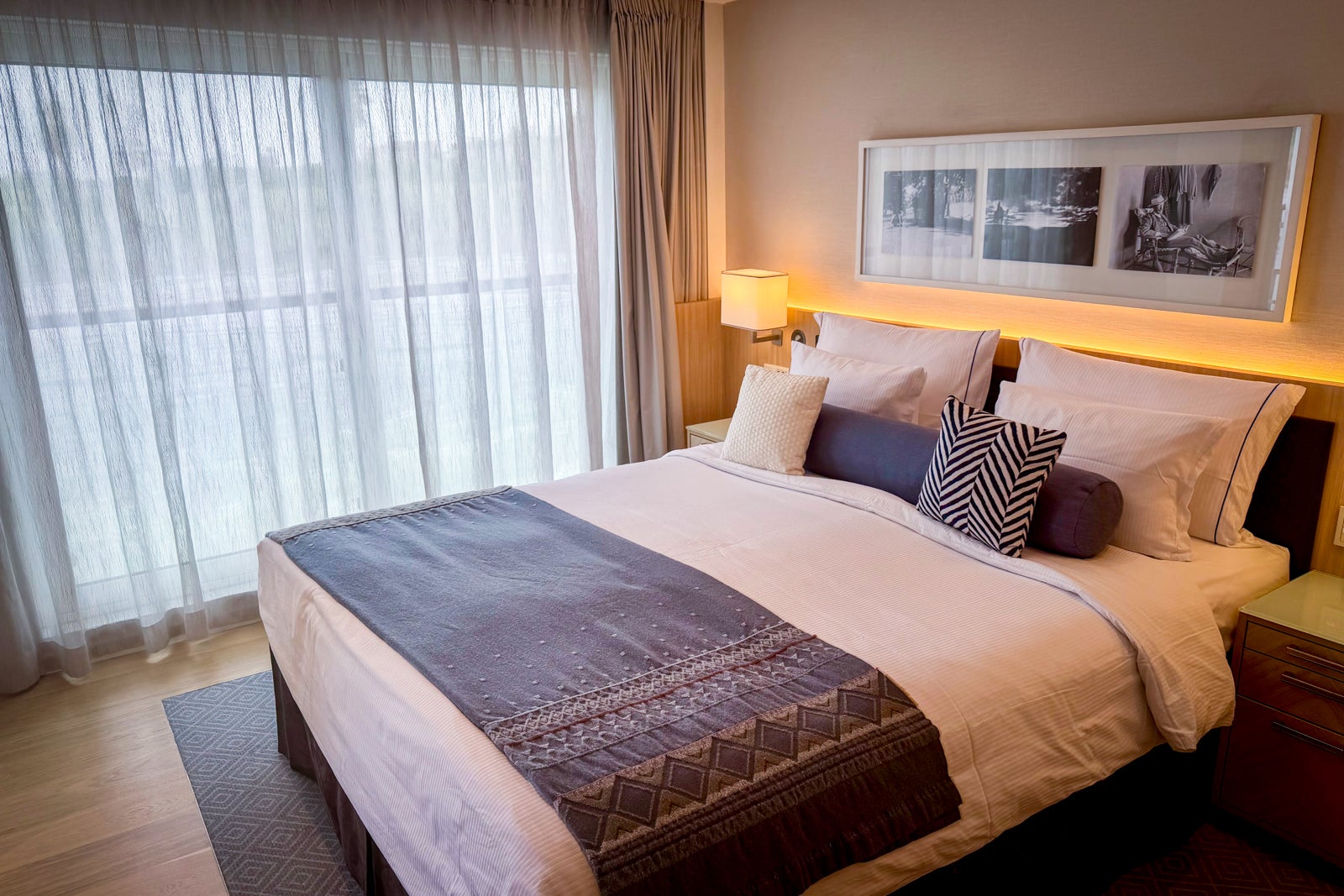
Still, perhaps the most upscale touch of the vessel is the service level that it offers. A crew of 48 people is on hand to serve at most 82 passengers (the ship's maximum capacity with every cabin full — on my sailing, there were just 72), so there's never a lack of staff to cater to your every whim.
I saw this high service level firsthand quite a few times on board, whether it be from the waiter in the restaurant who, unprompted, prepared my traveling companion a special soothing tea with ginger, lime and honey after she mentioned she was feeling a little queasy, to the bartender in the lounge who not only remembered my favorite cocktail but started mixing it before I even had to ask.
In addition, Zohny, our Egyptologist, was the most knowledgeable and engaging Egypt guide that I have encountered during 25 years of visiting the country.
Mostly all-inclusive touring
As is typical for higher-end tours of Egypt, Viking's trips in the region aren't inexpensive.
Sold as a combined land-and-cruise tour package, the 11-night "Pharaohs and Pyramids" journeys start at $6,999 per person, based on double occupancy (about $14,000 for a couple sharing a room). And such starting fares are specifically for packages that include an entry-level "standard" cabin without a balcony during the cruise portion of the trip.
For a package that includes a cabin with a balcony during the cruise portion of the trip, you'll find starting rates of around $7,499 per person (about $15,000 per couple). Packages that include a stay in a larger suite cost closer to $25,000 per couple or more, depending on the departure date.
In general, you'll also pay more at all cabin levels for departures from late December through early April, when cooler temperatures in Egypt make touring more pleasant.
That said, such fares are highly all-inclusive. Not only are your ship and hotel rooms included in the price, but most of your meals (along with wine, beer and soft drinks with lunch and dinner while on the ship). You also get extensive guided tours to all the main sites every day of your trip. The latter is a significant value, given the cost and logistical headaches of booking tours in Egypt on your own.
Indeed, a notable part of what you're paying for on a Viking trip to Egypt is access to extremely knowledgeable Egypt experts (known as Egyptologists) who travel with you and explain the many ancient temples, tombs and other historic sites you're seeing.
In addition, the fares include the interior flights in Egypt that will get you between Cairo and Luxor for the cruise portion of the trip, as well as airport transfers when you book international flights through Viking.
Some higher-level cabins also come with complimentary laundry service and a premium beverage package. Little things like shipboard WiFi are also included for all.
Bottom line
Viking's 11-night "Pharaohs and Pyramids" tours offer one of the most comprehensive and seamless ways to explore Egypt. The trips pair a well-paced, seven-night Nile sailing aboard an exceptionally designed new ship with a multi-night land stay in Cairo, together allowing visits to many of Egypt's most iconic attractions, including the Pyramids of Giza and the Valley of the Kings.
While fares are on the higher side among Egypt tours, the extensive all-inclusive nature of the trips — accommodations, most meals, extensive touring with an expert Egyptologist and internal flights are among the inclusions — means they offer a lot of value for the money. And perhaps most importantly, they make touring Egypt easy.
Planning a cruise? Start with these stories:
- The 5 most desirable cabin locations on any cruise ship
- A beginners guide to picking a cruise line
- The 8 worst cabin locations on any cruise ship
- A quick guide to the most popular cruise lines
- 21 tips and tricks that will make your cruise go smoothly
- 15 ways cruisers waste money
- The ultimate guide to choosing a cruise ship cabin